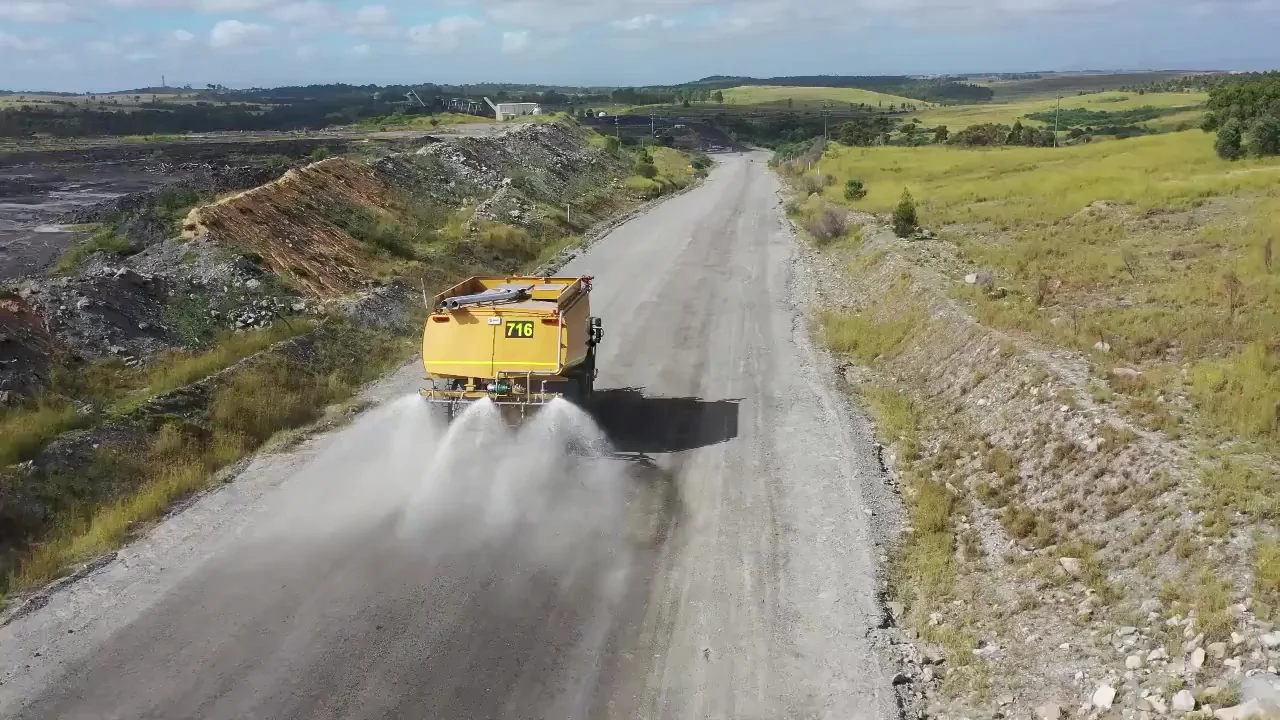
We get this question a lot. Should you go with an articulated water cart or a rigid setup?
On paper, they both do the same job. Move water, control dust and support safe, efficient site operation. But once you look closer, the differences in capacity, manoeuvrability and how they perform on site start to matter. The right choice comes down to your haul roads, terrain, production targets and how your fleet is set up.
This guide breaks down the key differences between articulated and rigid water carts, so you can choose the setup that actually fits your site conditions.
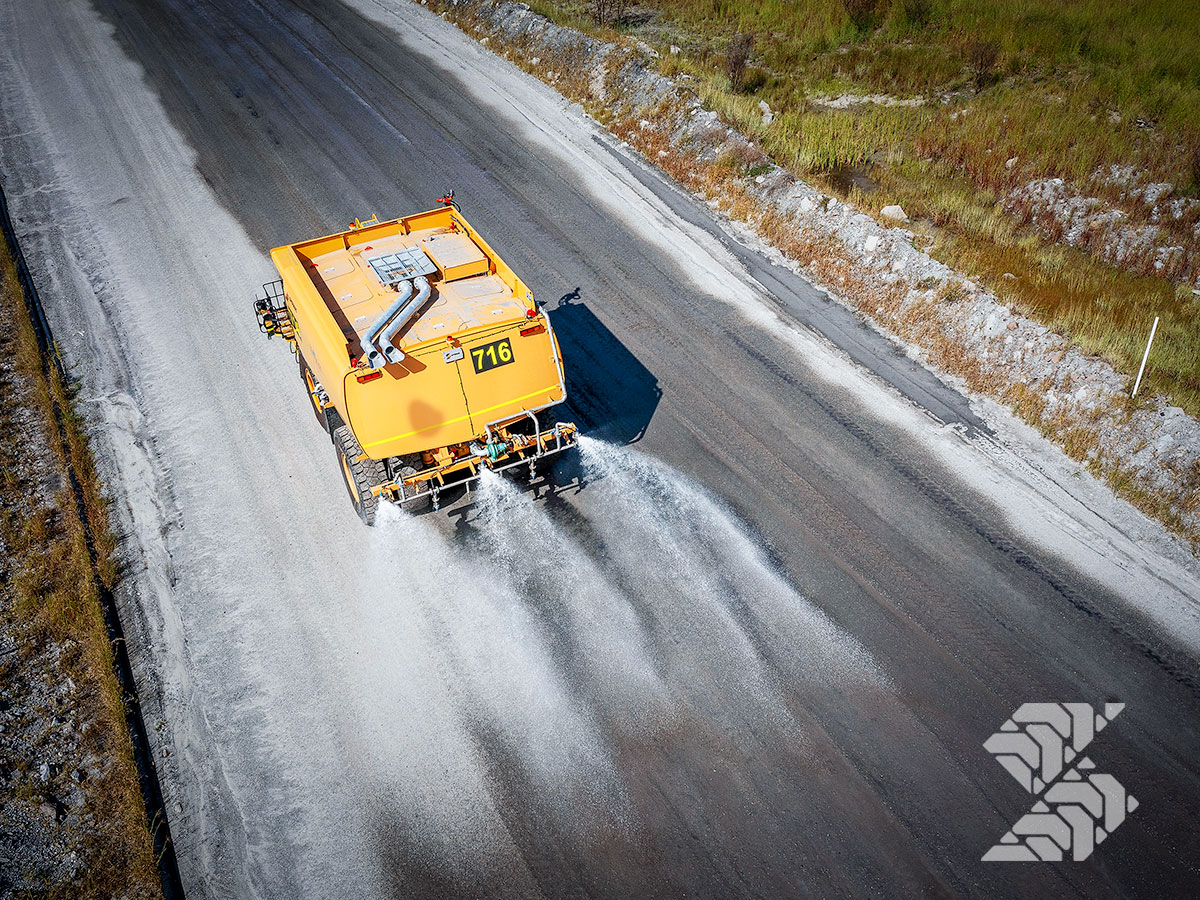
An articulated water cart is built on an articulated truck chassis, where the cab and rear body are connected by a pivot joint. This allows the vehicle to bend through the centre, giving it a tighter turning radius and better traction on uneven ground.
In terms of Shermac’s offering, these units are typically configured with tank capacities up to 50,000 litres, balancing water volume with manoeuvrability. The articulated design allows operators to move efficiently through ramps, switchbacks and confined haul roads without compromising control.
Articulated water carts are suited to sites with variable terrain, where ground conditions change and access is limited. They maintain consistent water delivery while allowing operators to navigate complex sections of the site with greater precision.
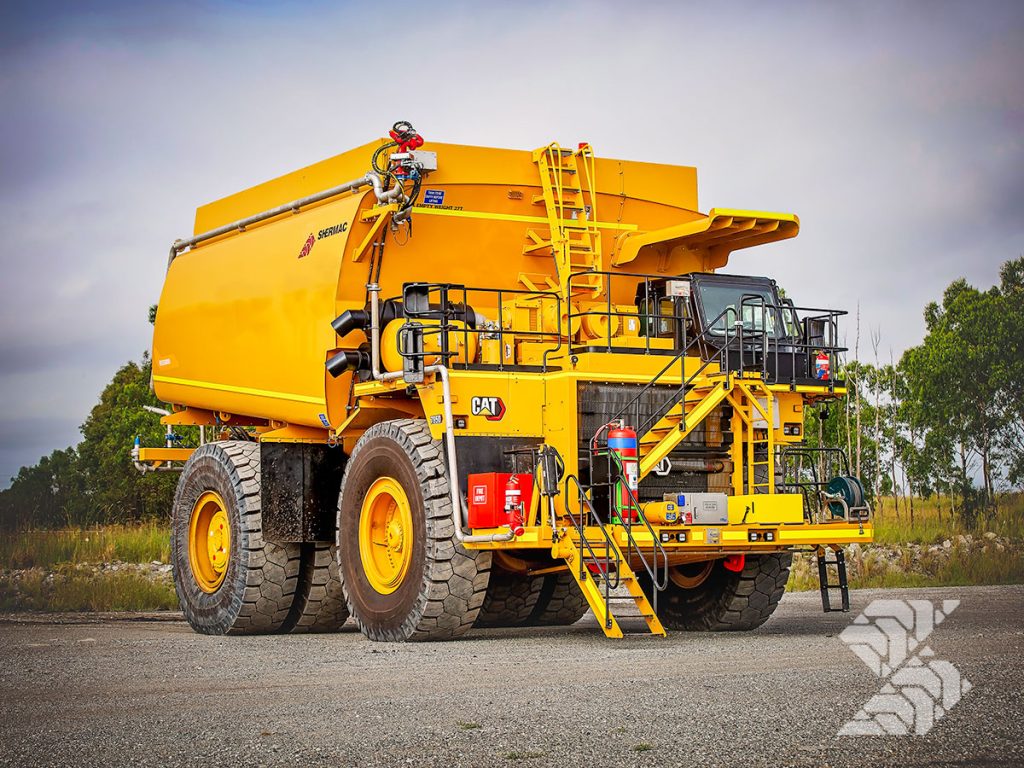
A rigid water cart is built on a fixed-frame mining truck, where the chassis doesn’t pivot. This design provides greater stability at higher speeds and under full load, making it well suited to long haul road applications.
These units are typically configured with significantly larger tank capacities, often up to 120,000 litres. This allows for extended watering cycles, reducing refill frequency and supporting consistent dust suppression across large-scale operations.
Rigid water carts are best suited to established mine sites with well-maintained haul roads and longer travel distances. Their design prioritises volume, stability and continuous output, making them a strong fit for high-production environments where efficiency and uptime are critical.
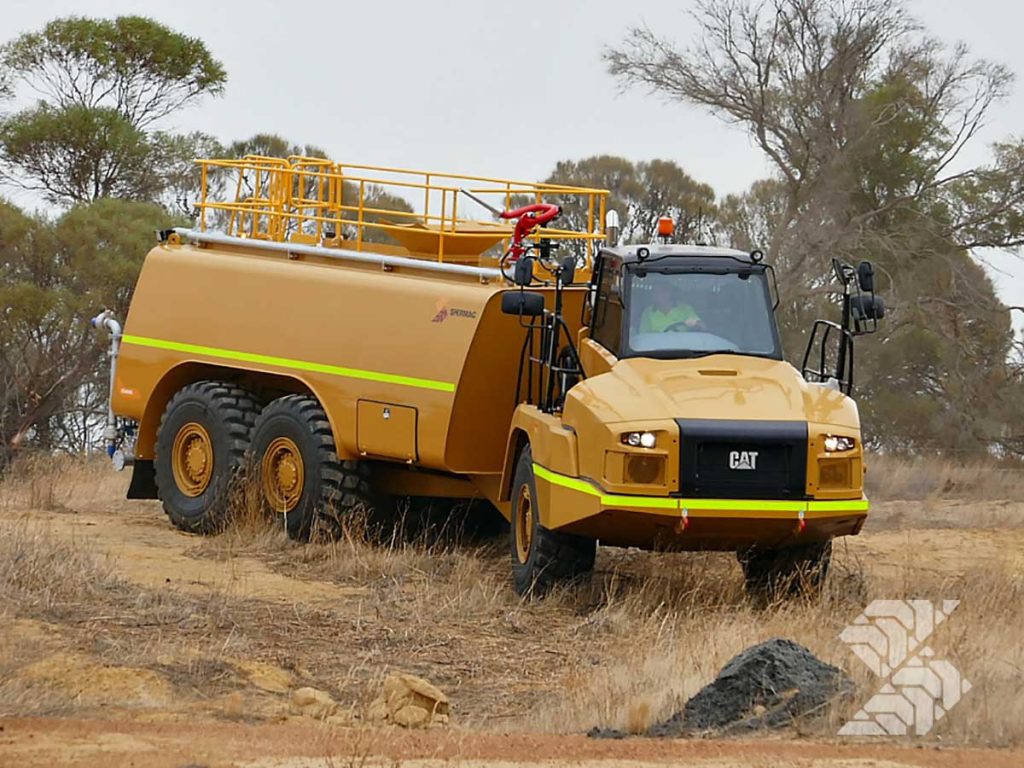
An articulated water cart is the better fit when your site demands flexibility and control over outright volume.
In these environments, manoeuvrability and traction have a direct impact on productivity and safety. An articulated setup allows operators to maintain consistent dust suppression without being limited by access or terrain.
A rigid water cart is the better choice when your operation is built around high-volume output.
In these conditions, capacity and efficiency drive performance. A rigid setup allows you to cover more ground per cycle, reduce interruptions and maintain consistent dust suppression across the site.
Choosing between an articulated vs rigid water cart is only part of the decision. The final specification should match how your site actually operates, both now and as it scales.
At Shermac, every water cart is engineered around your site requirements. We work with you to understand your terrain, production targets and fleet setup, then specify a solution that delivers reliable performance now while supporting long-term operational efficiency.
Water carts operate in constant load, heat and vibration. If the build quality is not there, downtime follows quickly.
Mine-spec engineering ensures every component is designed to handle harsh site conditions while meeting strict safety and compliance requirements. This includes structural tank integrity, stable load distribution, compliant access systems and reliable pump performance.
For operations, this translates to fewer breakdowns, predictable performance and reduced maintenance pressure. Over time, a well-engineered water cart delivers stronger lifecycle value by keeping your fleet moving and minimising unplanned interruptions.
| Feature | Articulated Water Cart | Rigid Water Cart |
| Typical Tank Capacity | Up to 50,000 litres | Up to 120,000 litres |
| Primary Advantage | Manoeuvrability and terrain adaptability | High capacity and continuous output |
| Chassis Design | Articulated pivot joint for flexible movement | Fixed-frame rigid mining truck |
| Best Suited Terrain | Uneven ground, ramps, confined haul roads | Established haul roads, stable ground |
| Turning Capability | Tight turning radius for restricted areas | Wider turning radius, requires more space |
| Haul Distance Efficiency | Short to medium haul routes | Long haul distances and large sites |
| Watering Cycle Length | Shorter cycles, more frequent refills | Longer cycles, fewer refills |
| Operating Speed and Stability | Moderate speed with strong terrain control | Higher speed with excellent load stability |
| Site Application | Variable, complex and active site conditions | Large-scale, high-production mining operations |
| Maintenance Considerations | Easier access in tight environments | Integrated into large fleet maintenance systems |
| Overall Role on Site | Flexible, responsive dust suppression | High-volume, continuous dust suppression |
There’s no one-size-fits-all answer when it comes to choosing between an articulated vs rigid water cart. The right solution depends on how your site operates day to day.
If you’re unsure which direction to take, speak with the Shermac team. We’ll work through your site conditions, fleet setup and production requirements to recommend a solution that performs now and continues to deliver long-term reliability.
Enquire today with our engineering team to take the next step towards a more efficient, reliable water cart setup.
Talk to our well-trained and knowledgeable team to find out more about our customisation process and how we can help you.
Call our team on 1300 799 943 or email sales@shermac.com.au with your inquiry.