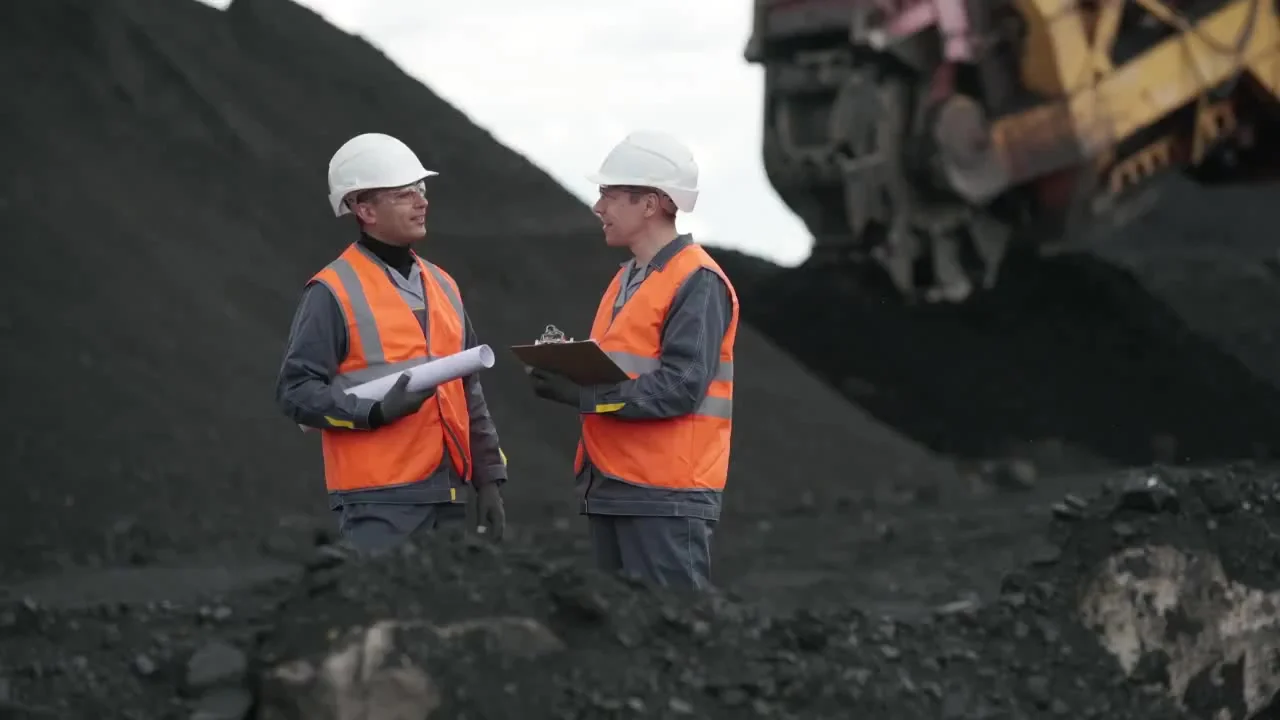
Operator fatigue is a serious and persistent risk across mining and civil operations. It affects focus, physical performance, and decision-making, increasing the likelihood of errors and putting pressure on both safety and output.
Most fatigue management strategies focus on work hours and compliance. But fatigue doesn’t just come from time on shift. It builds through the day, shaped by how work is performed and the conditions operators are working in.
In service operations, that’s where the problem often sits. Repetitive tasks, poor access, and inefficient vehicle layouts create unnecessary strain that slows servicing and reduces consistency. Over time, that strain carries through to equipment availability, longer servicing cycles, and overall uptime.
Operator fatigue is often recognised, but not always measured where it matters most. On site, it shows up in small delays, inconsistent servicing, and reduced output across a shift.
Individually, these don’t seem critical. But across a full shift or multiple crews, they compound into lost productivity, longer servicing cycles, and reduced fleet availability.
Fatigue management processes focus on reducing the risk of fatigue. But they don’t always address how fatigue builds in real time during day-to-day operations. That gap is where a large portion of uptime is lost.
In service operations, fatigue is often driven by the way the work is set up. Poor design forces operators to work harder than they should for routine tasks.
Fatigue doesn’t stay isolated to the operator. It shows up in how work gets done and how quickly equipment gets turned around.
When servicing slows down, equipment stays offline longer. When errors occur, machines often return with unresolved issues that require further attention.
This creates a compounding effect. Fatigue leads to errors. Errors lead to rework. Rework extends servicing time and increases unplanned downtime. Over time, this reduces equipment availability and disrupts the performance of the entire fleet.
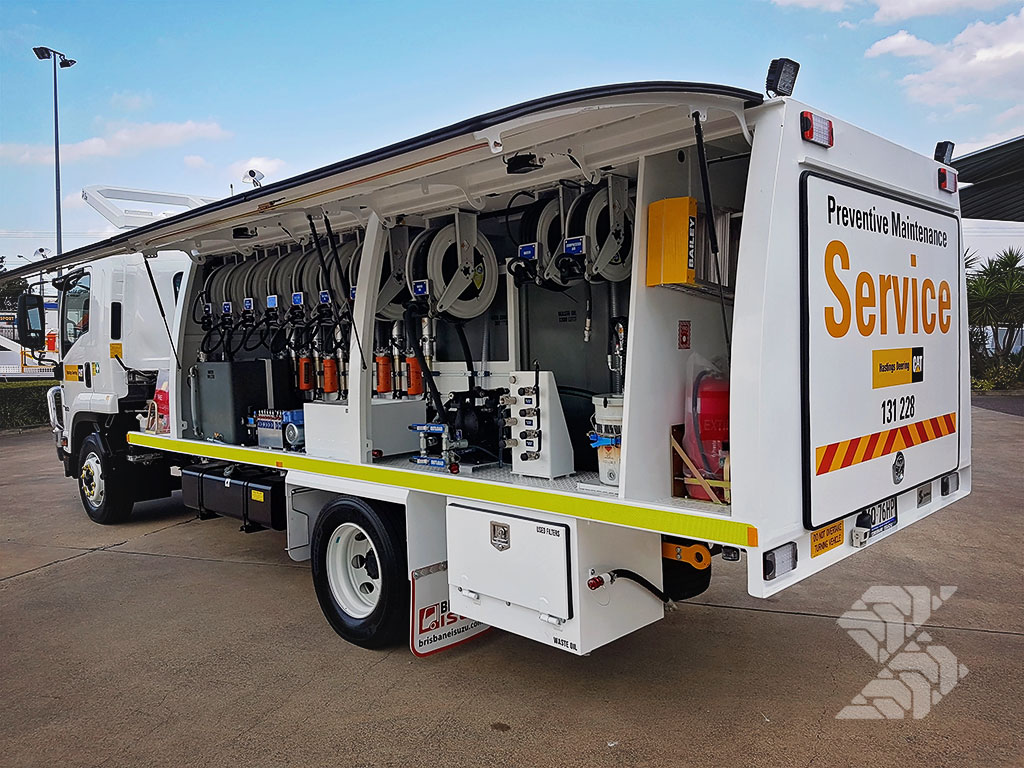
Operator fatigue in service operations is often a design issue. When vehicles aren’t built around real workflows, operators compensate with more movement, more effort, and more time on task.
That added load builds across every job. Climbing, reaching, and handling tasks start to stack up. Over a full shift, it slows performance and increases strain in ways fatigue management alone can’t address.
Well-designed service trucks remove that friction. They support the way work is actually done on site, reducing unnecessary effort and improving consistency across every task.
When the vehicle is designed around the task, operators work more efficiently with less strain. Servicing becomes faster, more consistent, and easier to sustain across long shifts.
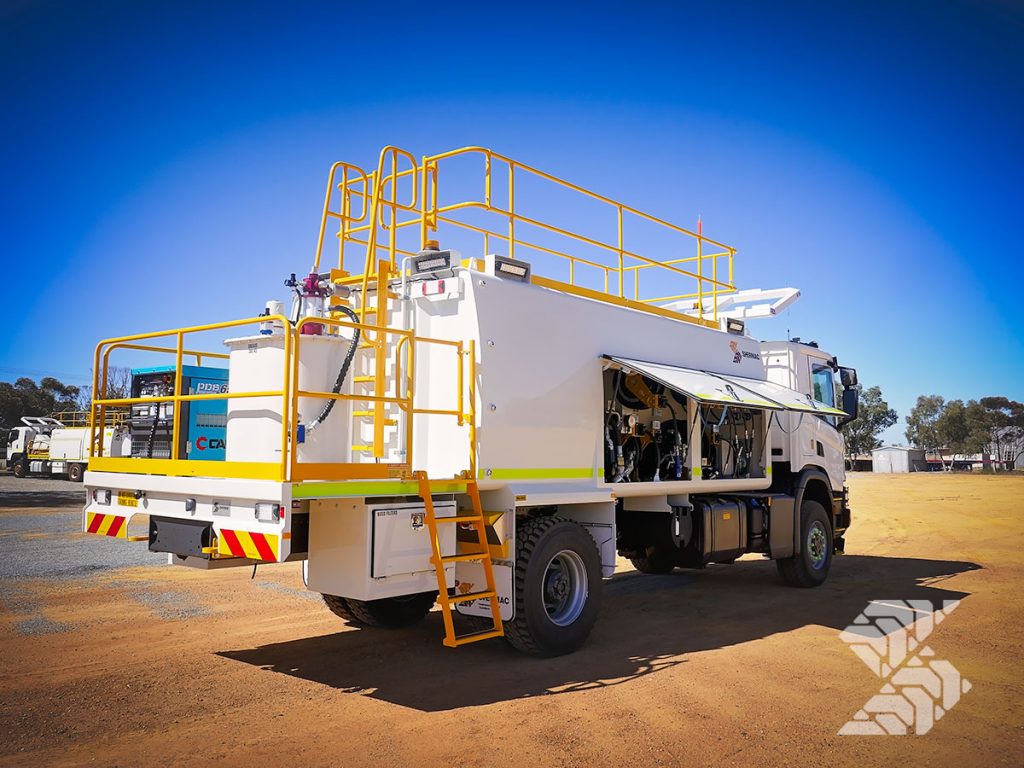
Many service vehicles are built to a general specification. They’re designed to suit a wide range of use cases, not the specific demands of your site.
And that’s where problems start.
Over time, these mismatches slow servicing, increase fatigue, and introduce avoidable inefficiencies into daily operations.
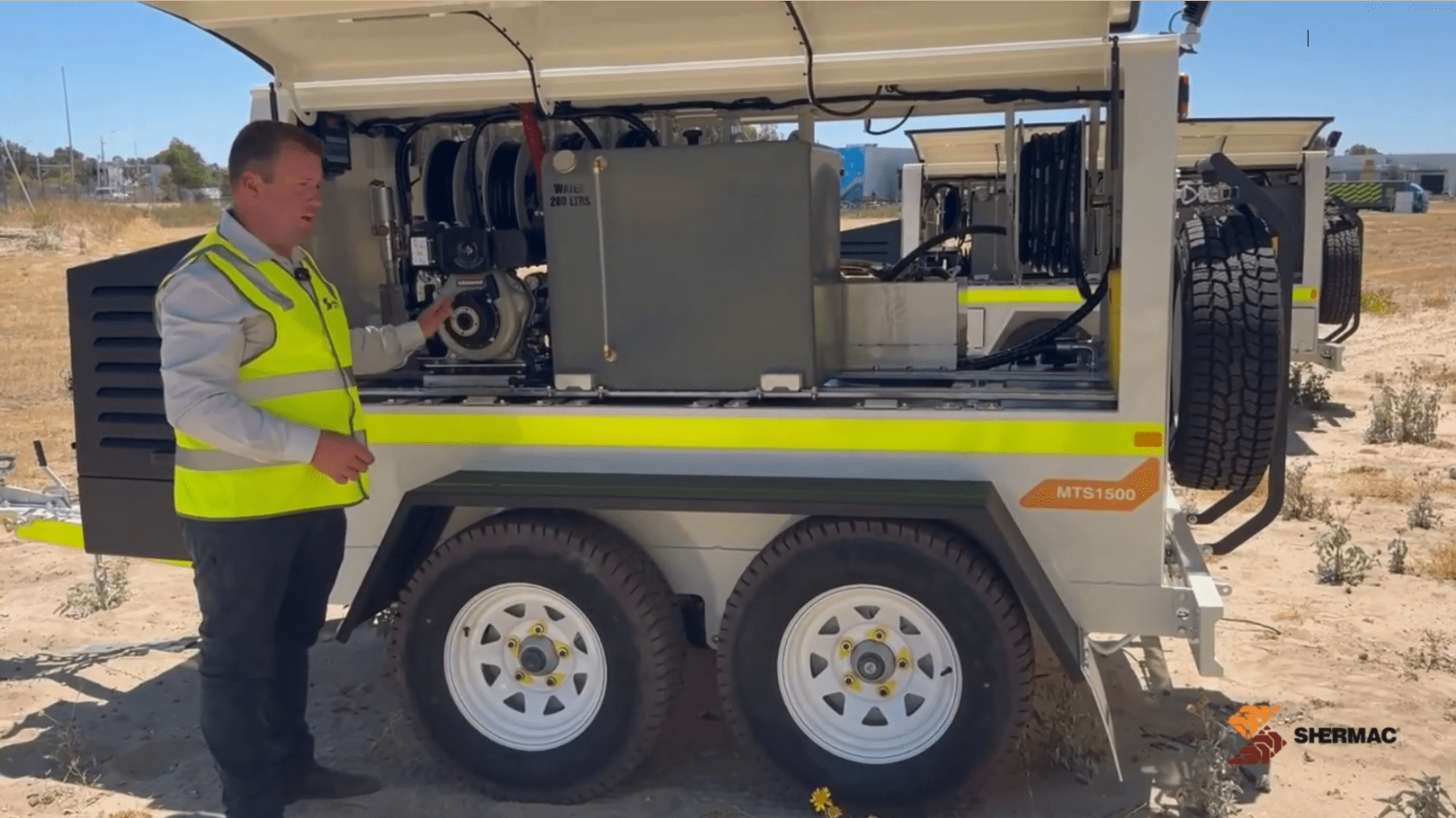
Here at Shermac, we take a different approach. Every service truck is engineered around your site conditions, workflows, and servicing requirements. Tank configurations, access systems, storage layouts, and dispensing setups are all designed to suit how your team works.
The result is a vehicle built around the way your team works. Reduced friction in daily tasks, lower operator strain, and more consistent performance across every shift.
Operator fatigue will always be a factor on site. But how much it impacts your operation is something you can control.
When service trucks are designed around real workflows, operators work with less strain, servicing becomes more predictable, and equipment returns to operation faster. That flow-on effect improves uptime, reduces unplanned delays, and stabilises performance across the fleet.
If your current setup is slowing your team down, it may not be a people issue. It may be a design issue.
Contact us to discuss your unique requirements and explore a service truck built around your operation.
Talk to our well-trained and knowledgeable team to find out more about our customisation process and how we can help you.
Call our team on 1300 799 943 or email [email protected] with your inquiry.