When you think about operator ergonomics in mining equipment, safety is usually the first consideration. And rightly so. But poor ergonomics can also slow routine tasks, increase physical strain and contribute to operator fatigue long before an injury becomes a lost-time event.
In the Western Australian mineral industry, sprains and strains accounted for 47% of reported lost-time and restricted-work injuries in 2023–24. The bigger question is how much productivity is being lost before an incident is formally recorded.
Poor ergonomics often shows up as small delays rather than one obvious problem. An operator may need to reach further than necessary, reposition their body to access equipment or use more force than the task should require.
Each delay may seem minor. Repeated across a full servicing cycle, however, it can extend the time needed to complete routine work.
The physical demand also builds as the shift continues. Tasks that were manageable early in the day can become slower and less consistent once fatigue sets in.
This can affect pace and concentration, particularly when the work involves repeated access, hose handling or movement around heavy equipment.
Ergonomics issues can eventually lead to restricted duties, absence or changes to how work is allocated. Even before that point, an operator working below normal capacity can reduce servicing throughput.
When a service vehicle supports several assets, one delay can quickly affect the wider fleet. Machinery may be left waiting for fuel, fluids or maintenance support, turning an operator-level issue into an uptime problem.
Poor ergonomics can affect output well before an operator is absent. As discomfort and fatigue build, routine servicing work may take longer and physical tasks can become harder to complete at a consistent pace.
In WA mining during 2023–24, 942 restricted-work injuries were recorded, compared with 569 lost-time injuries. That difference matters because restricted duties still create an operational impact. Work may need to be adjusted, reassigned across the crew or supported more closely.
Repeated force, awkward movement and physically demanding work are recognised risk factors for repetitive strain injuries in mining. Reducing those demands through better equipment design can help protect workforce capacity before the issue develops into a claim or extended time away from normal duties.
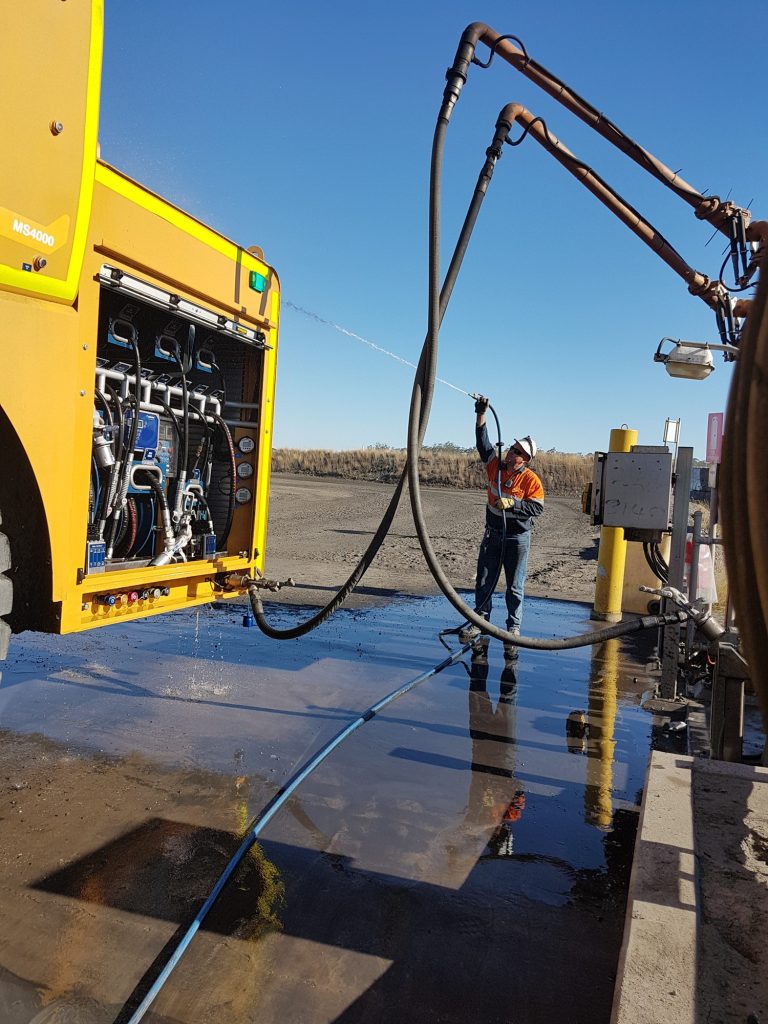
Service truck ergonomics deserves particular attention because operators repeat the same movements throughout a shift. A typical servicing cycle may involve:
Individually, these tasks may appear minor. Repeated across multiple assets, poor access or awkward equipment placement can increase physical strain and extend the time needed to complete each service.
The impact can then move beyond the operator. When a service vehicle supports several machines, slower refuelling or maintenance work can leave productive equipment waiting. That makes the vehicle layout part of the wider uptime equation, not just an ergonomics and safety consideration.
Effective ergonomic design starts with the tasks an operator repeats throughout the day. Access points, equipment position and the force required to use each system should reflect how the vehicle will operate in a real work environment.
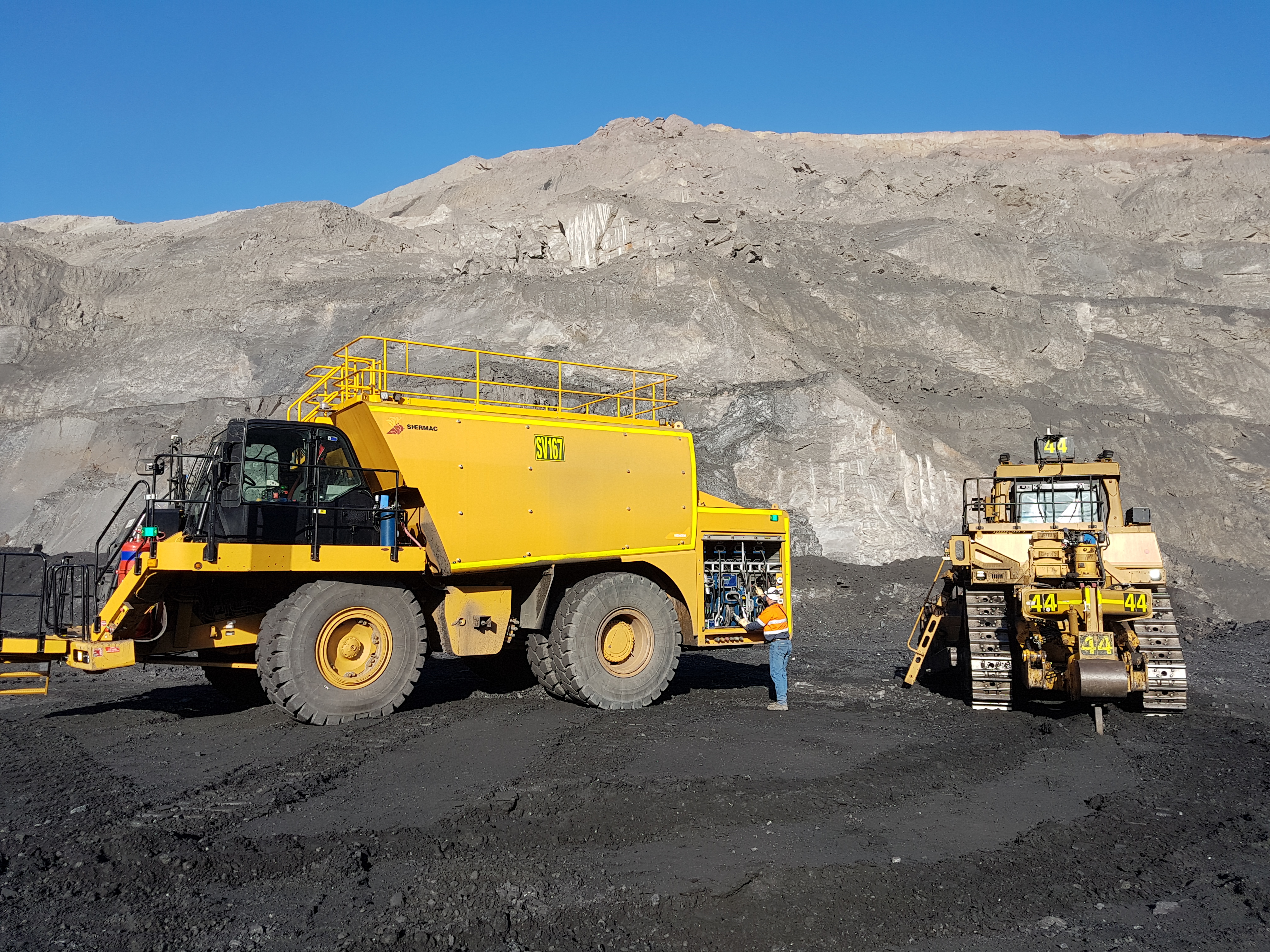
Shermac applies these principles across its approach to operator ergonomics and safety. The following are just some of the practical examples.
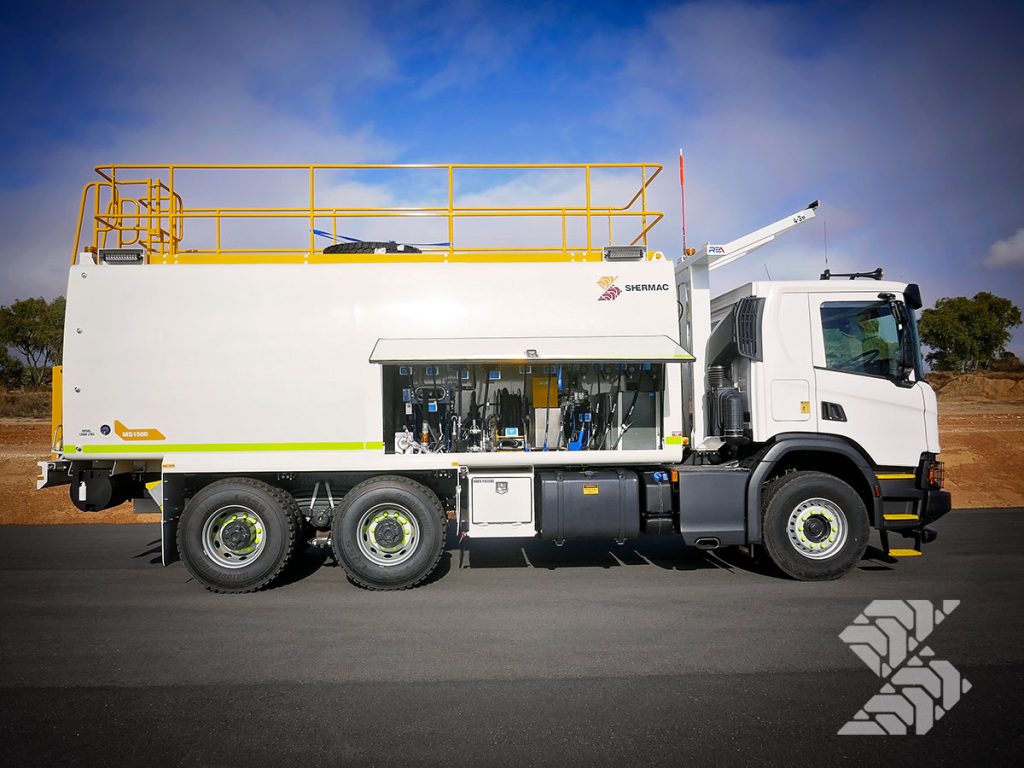
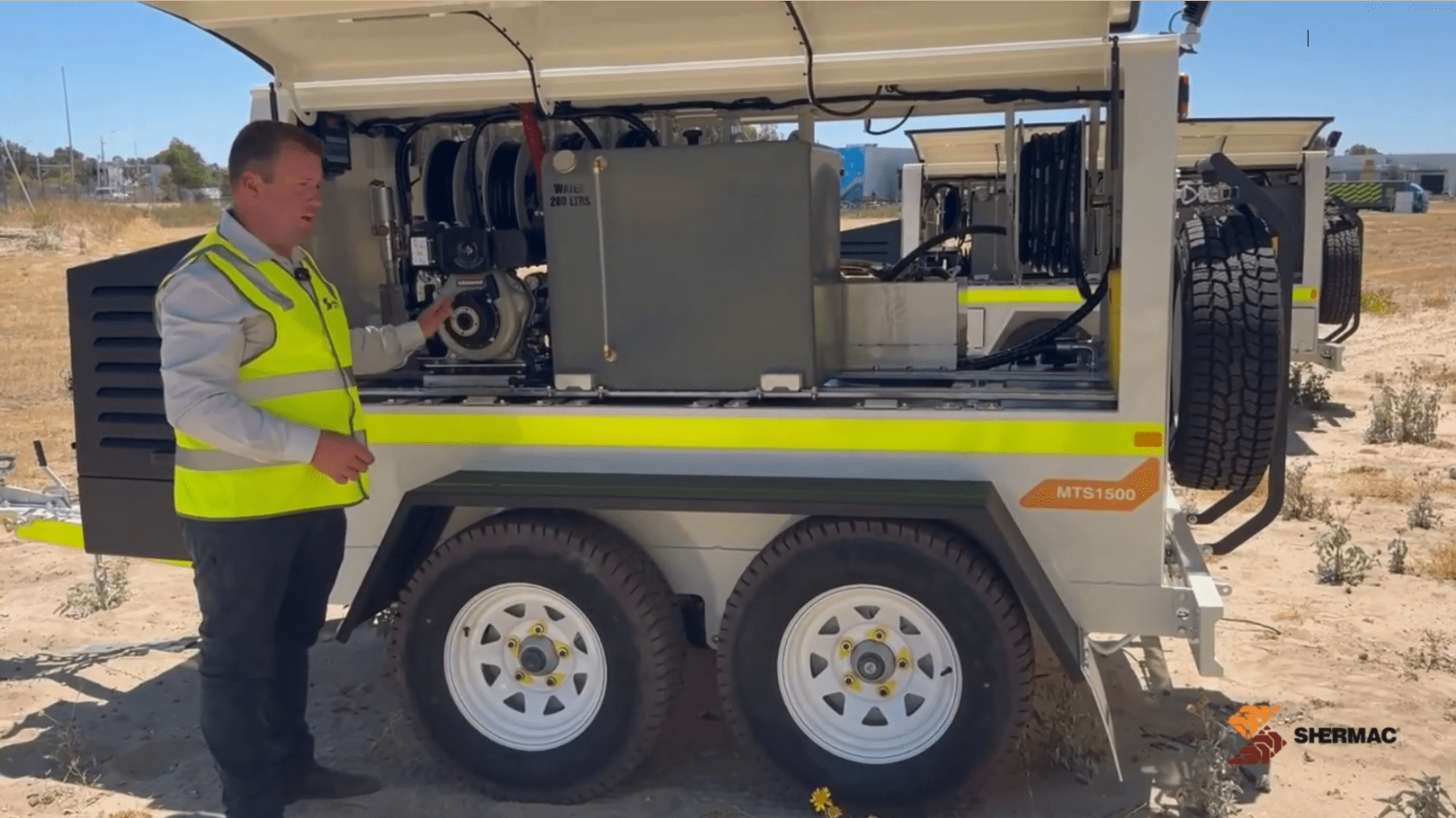
Service compartments may be opened and closed many times during a shift. Shermac uses lightweight aluminium doors to reduce the effort required each time, helping limit unnecessary physical strain during repeated access.
Heavy hoses become harder to handle when the reel is positioned too high or requires awkward postures. Shermac positions hose reels as low as practical to support more controlled hose reel rollout and rewind while reducing demand on the operator’s shoulders.
Entry to the service deck should be stable and straightforward. A permanent walk-in step configuration removes the need to repeatedly lower and raise folding steps. Similar principles also apply to improved entry and exit to truck cabs, where repeated access can add physical strain across a shift.
These examples form part of a broader ergonomics assessment. Small design decisions can affect how comfortably and consistently work is completed over the long term.
Ergonomic design can improve more than operator comfort. When equipment is designed around real servicing workflows, it can support:
Better ergonomics cannot remove every cause of fatigue or injury. However, it can remove unnecessary demands built into the vehicle itself, supporting safer work and more reliable fleet performance over the long term.
Ergonomics works best when it’s considered before the vehicle is built. A practical conversation gives Shermac’s engineers the context they need to understand how your site operates, which tasks are repeated most often and where access, layout or equipment positioning may be creating unnecessary strain.
Explore Shermac’s service trucks for sale or speak with our team about specifying ergonomic access, storage and servicing systems into your next build. The right design starts with understanding the work.
Talk to our well-trained and knowledgeable team to find out more about our customisation process and how we can help you.
Call our team on 1300 799 943 or email [email protected] with your inquiry.