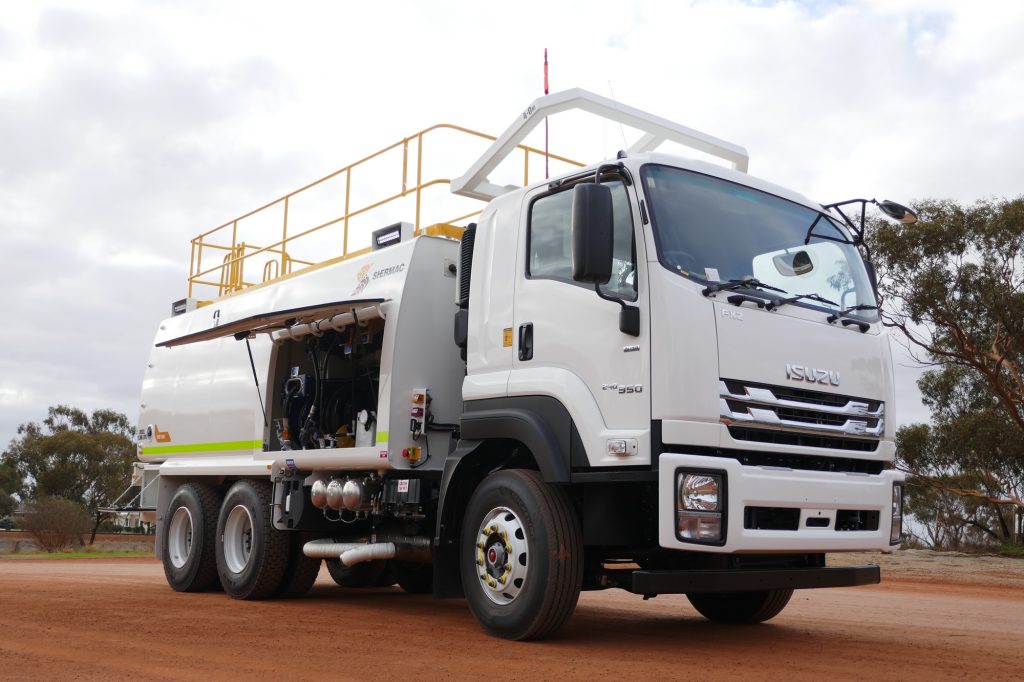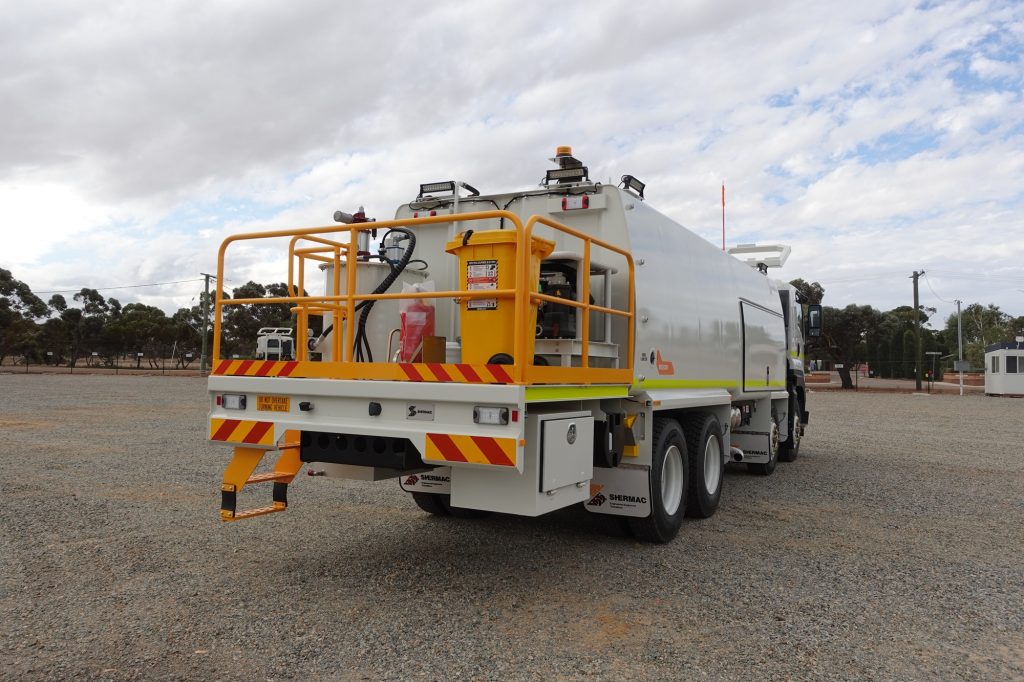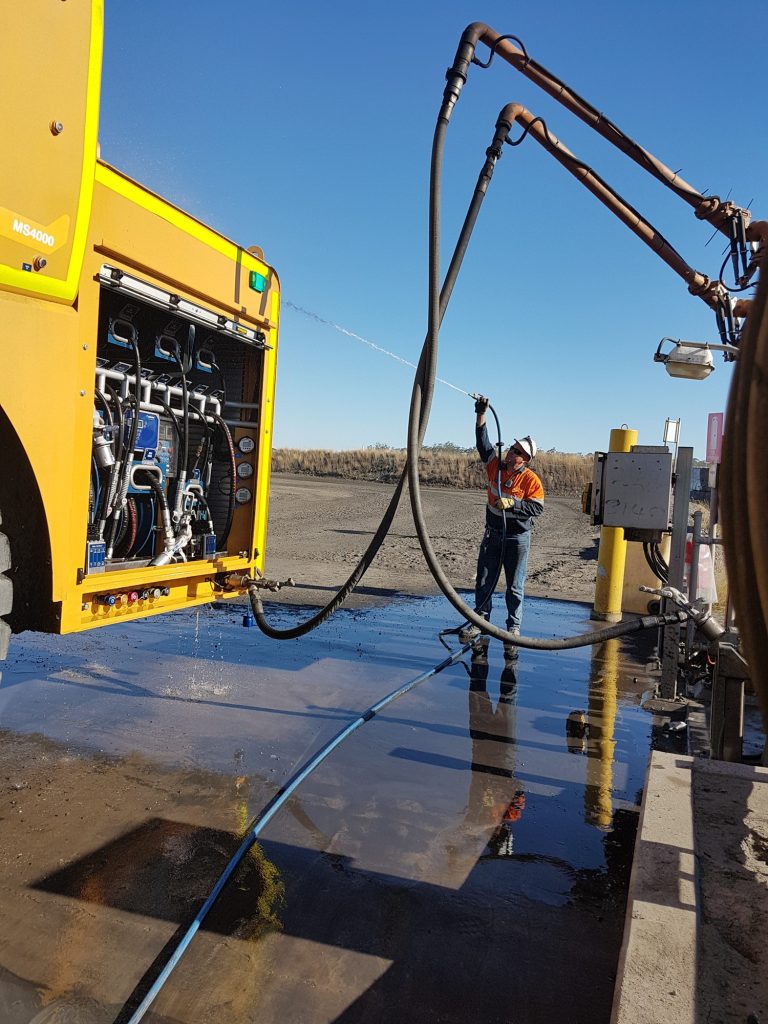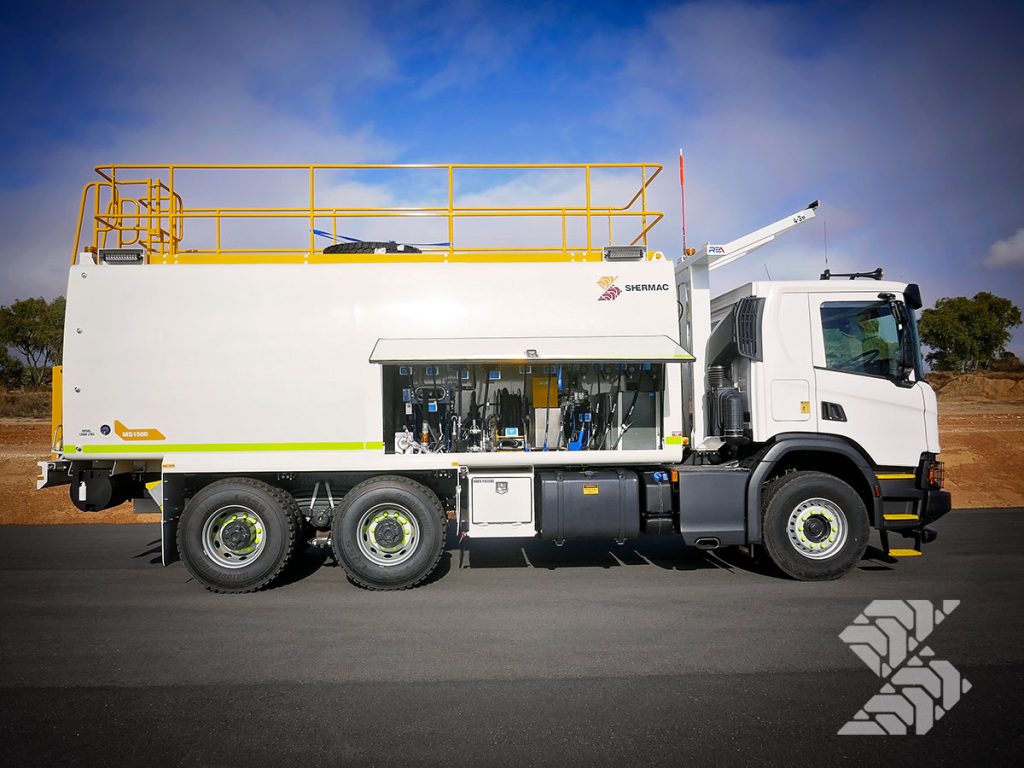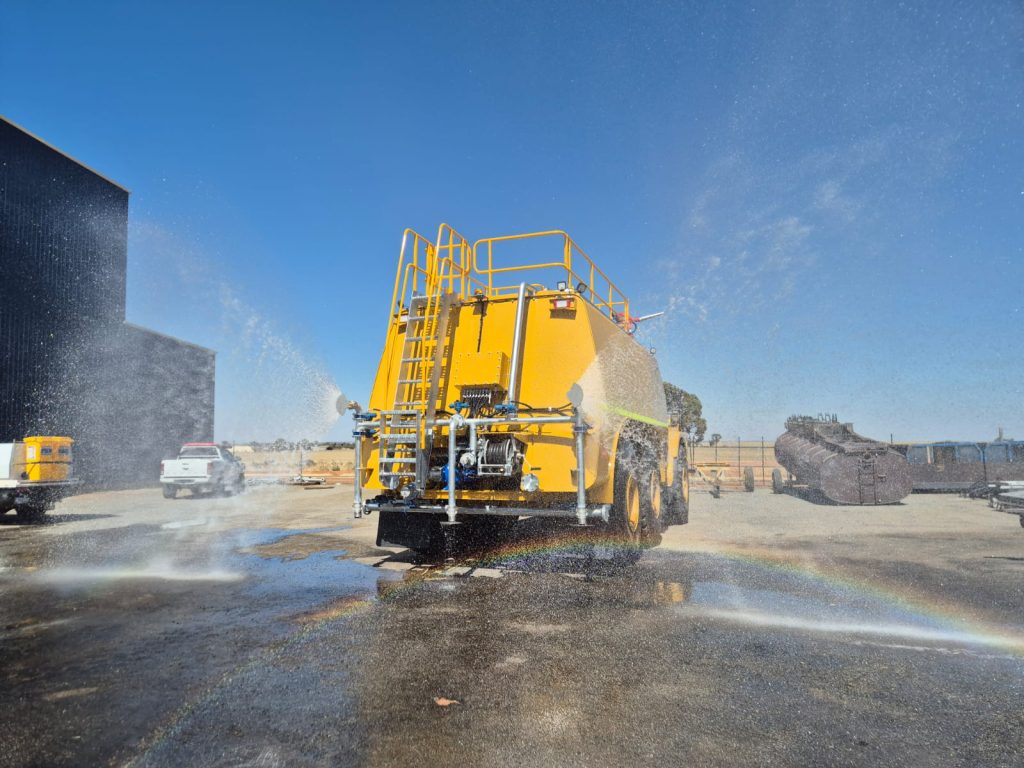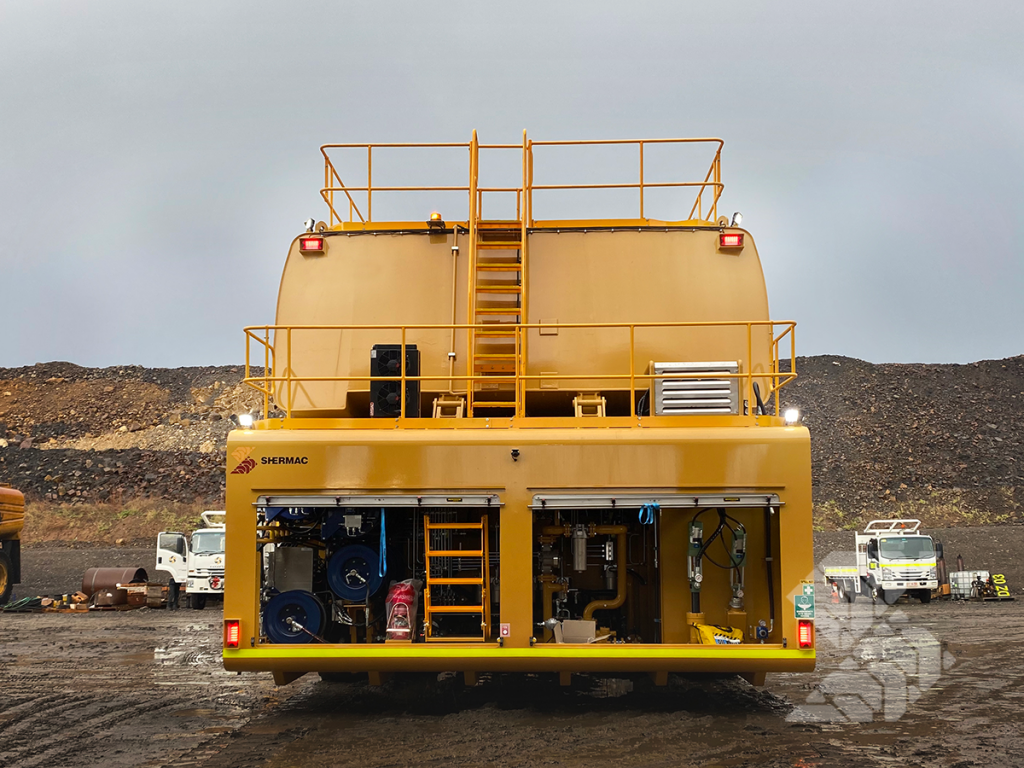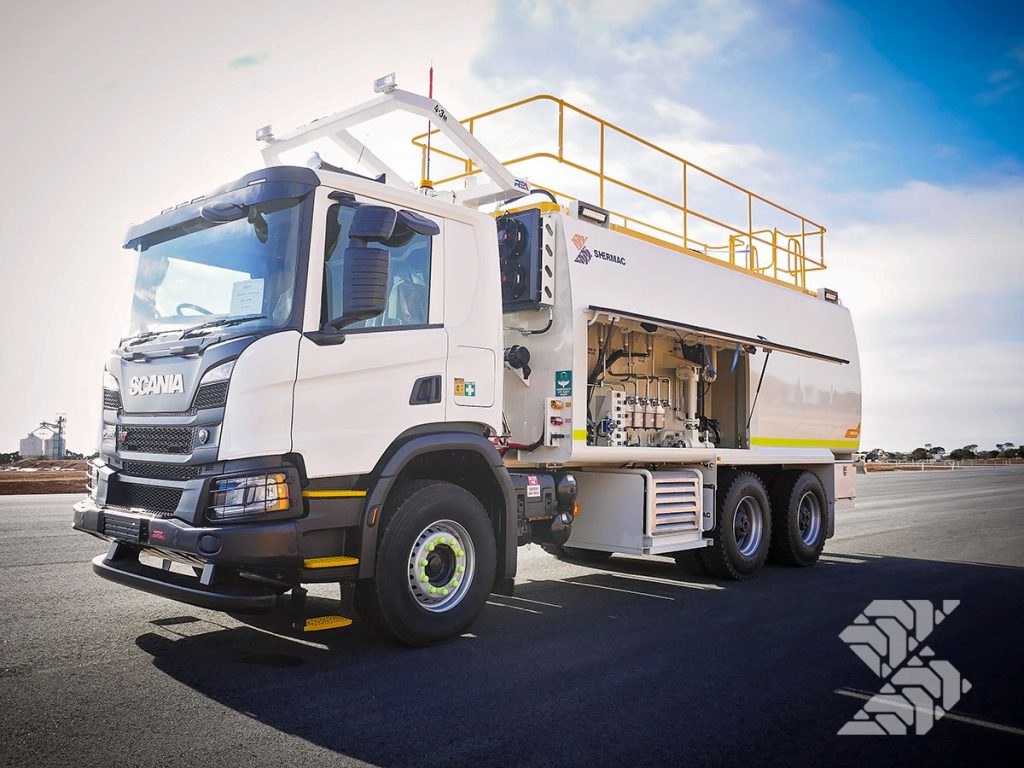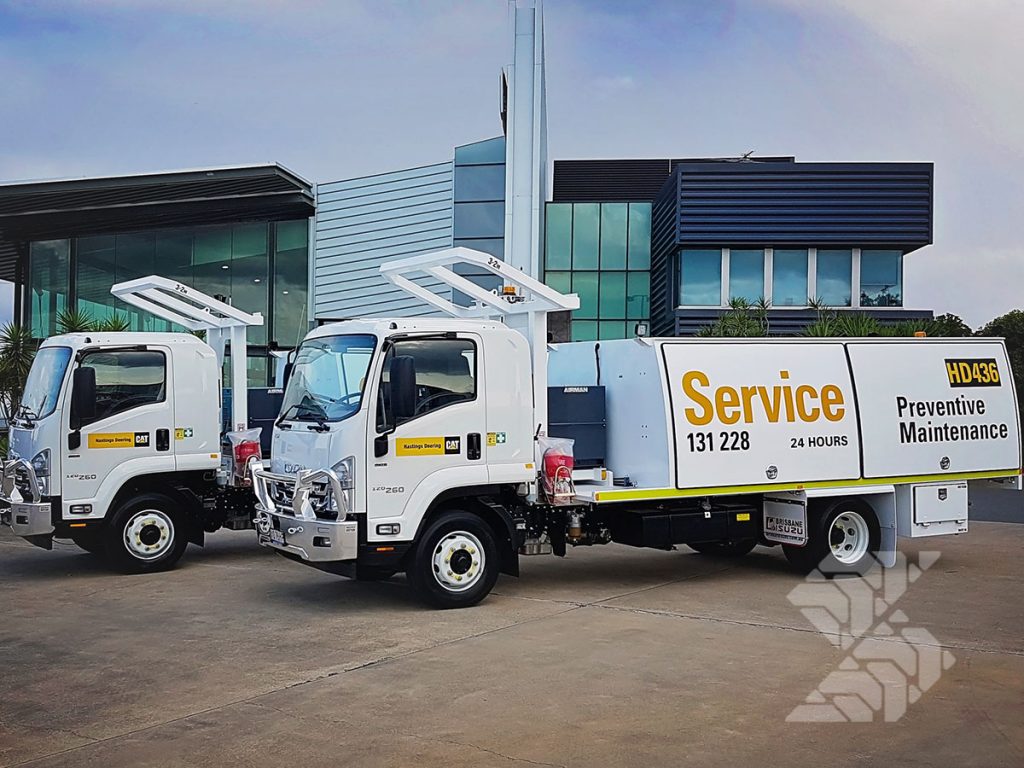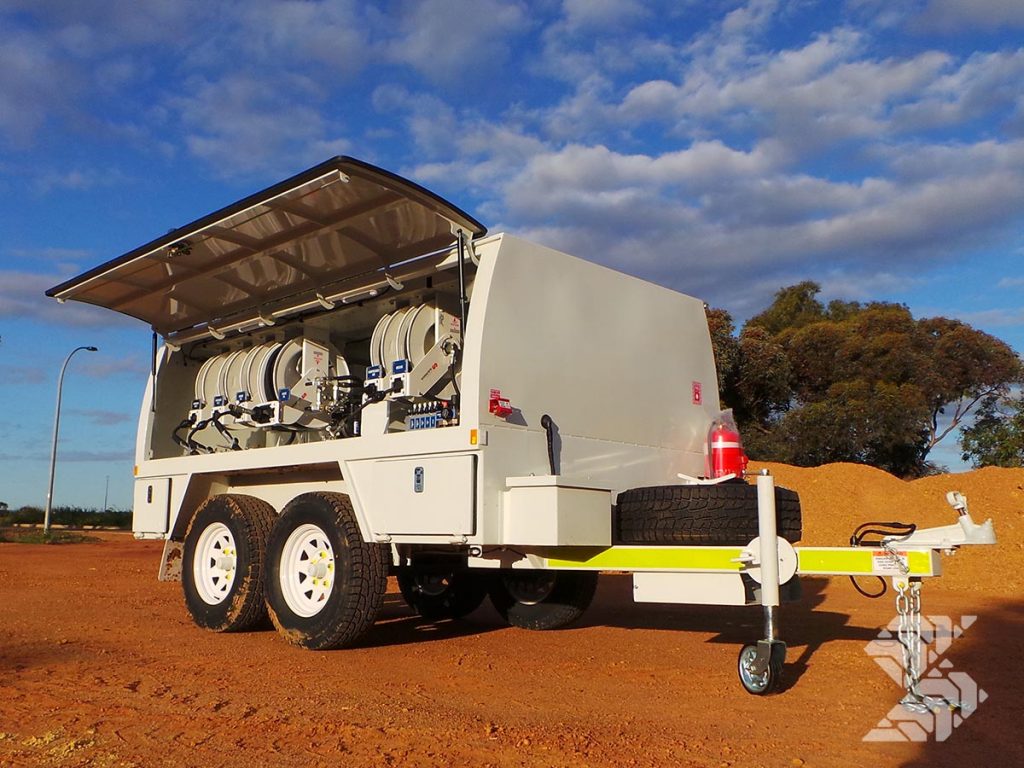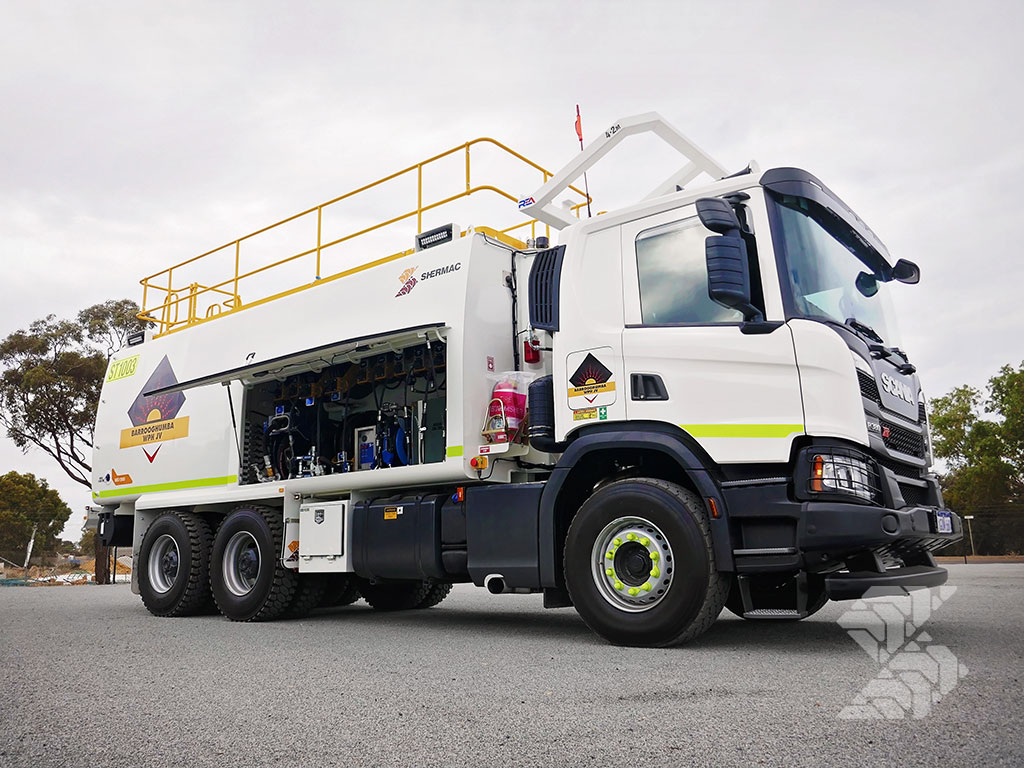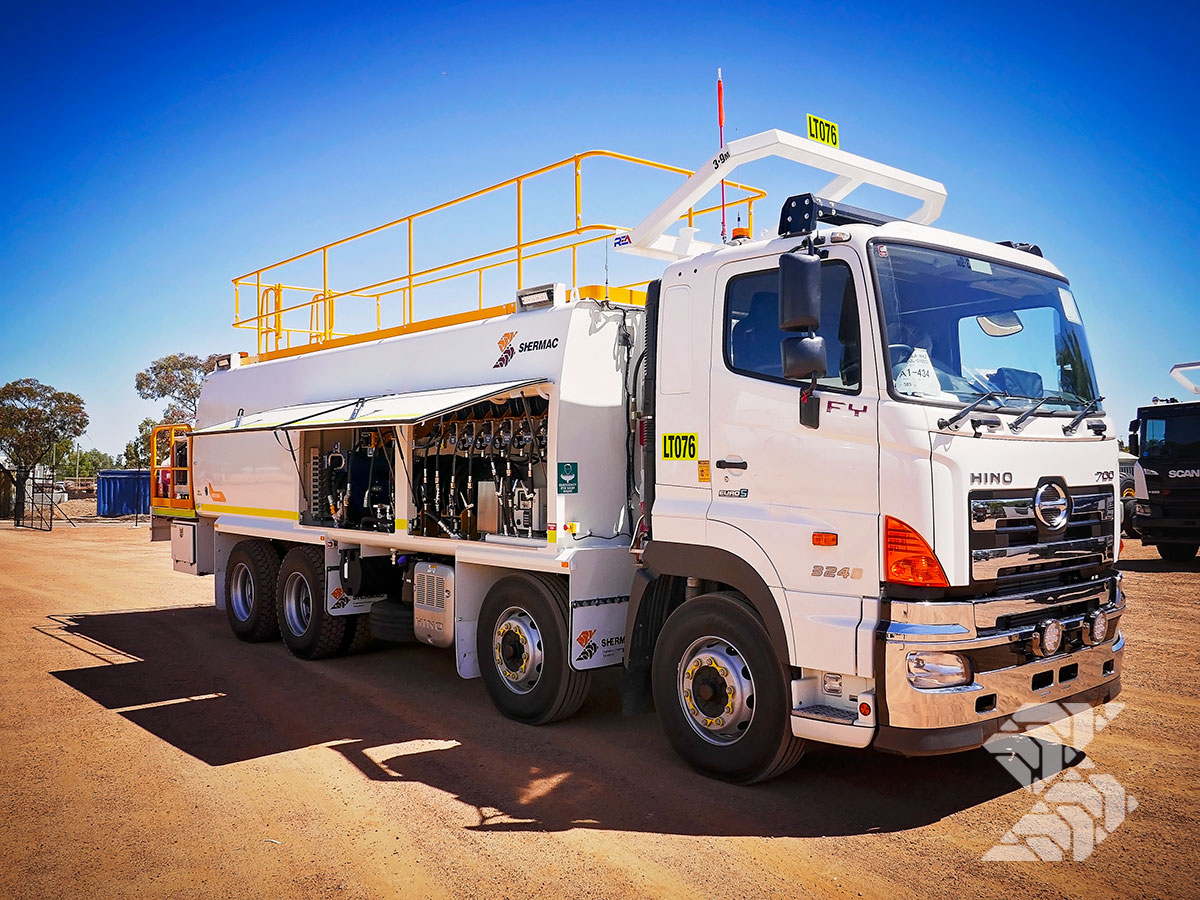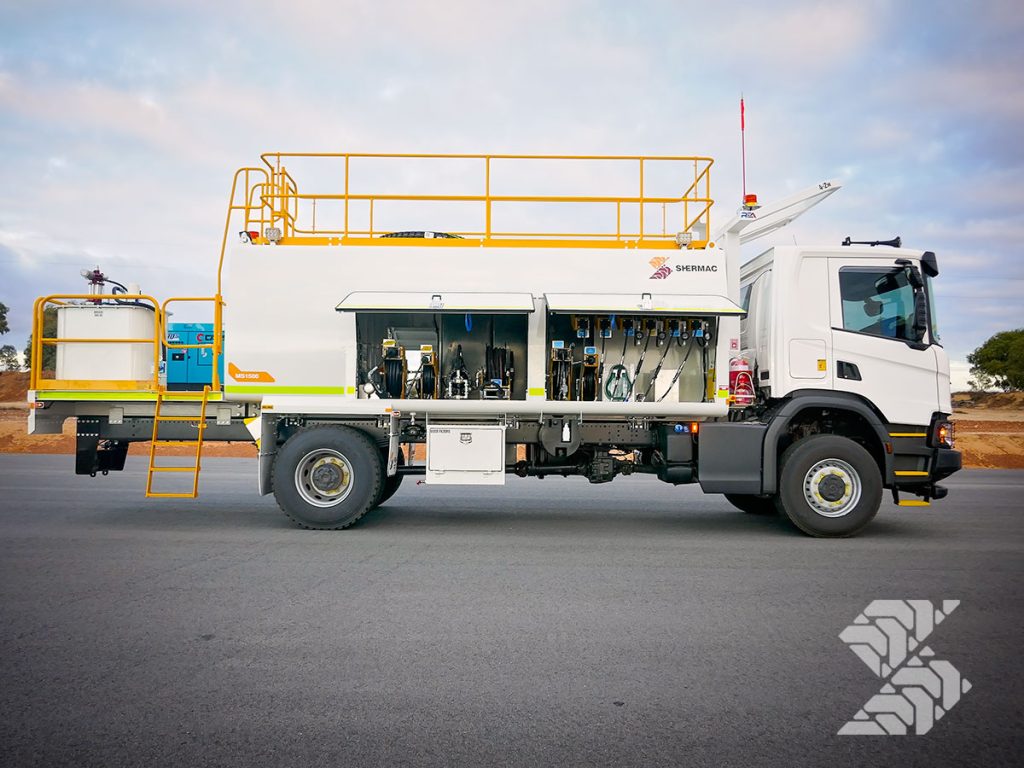
For Kuuwa Rentals, every asset placed on a long-term mining or civil project needs to perform reliably and suit the client’s scope of works. Shermac works with Kuuwa to supply and support fit-for-purpose water carts and service trucks, backed by local design, manufacturing and after-sales support.
- Client: Kuuwa Rentals
- Sector: Mining, resources and civil equipment hire
- Location: Western Australia
- Shermac equipment: Water carts and service trucks
- Focus: Fit-for-purpose fleet supply and ongoing support
Fit-for-purpose equipment is critical to Kuuwa’s business
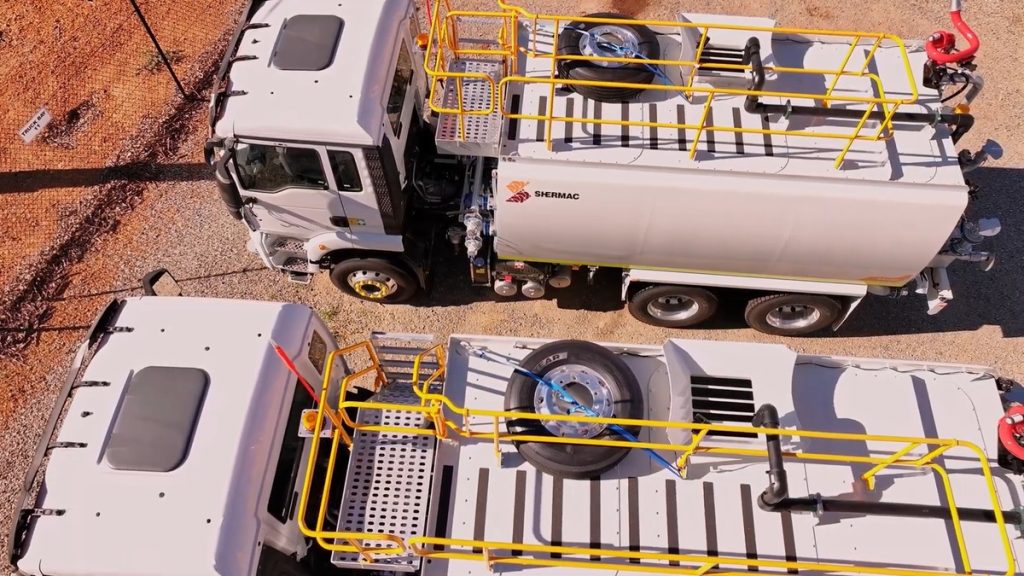
Kuuwa Rentals supplies equipment into long-term mining, resources and civil projects, with assets mobilised directly to site and supported throughout the hire period.
For General Manager Darren Hulme, that makes the quality of the equipment a critical part of Kuuwa’s own service to its clients. The asset needs to suit the work it is being hired for and remain dependable once it’s in the field.
“Making sure that they’ve got a good quality unit that we’re able to maintain in the field and is going to be able to perform when they need it is absolutely critical to our business.”
Water carts and service trucks play an important role in those projects, supporting the plant and machinery Kuuwa’s clients rely on each day. That creates a clear requirement for equipment that is fit for the intended scope, rather than simply available for hire.
Custom-built water carts and service trucks
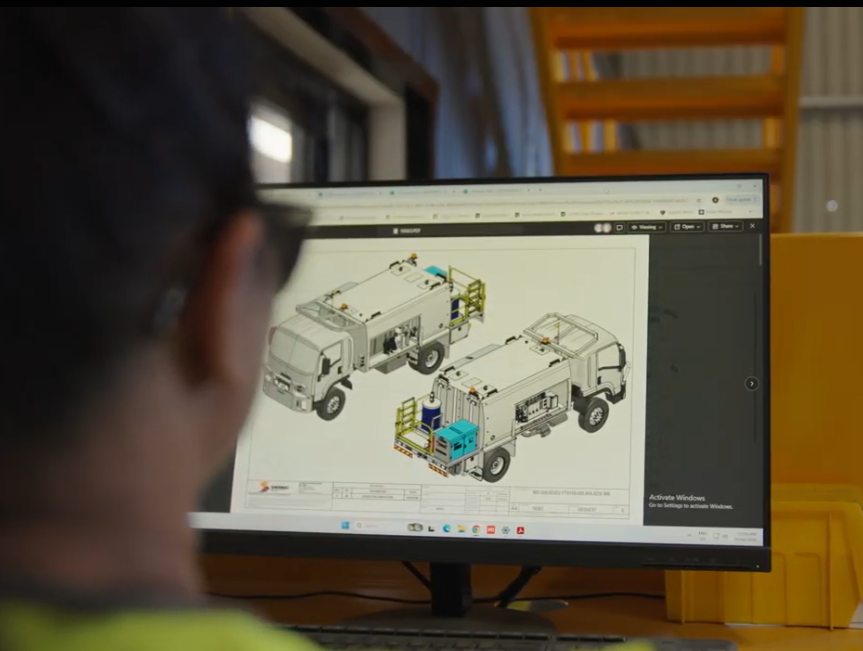
Kuuwa works closely with Shermac to configure water carts and service trucks around the requirements of each project. The process starts with a clear brief, then moves through Shermac’s sales, design and production teams to shape the final setup.
“We’re very willing to customise our assets, and that’s again where it’s great working with Shermac’s sales team and Jim Ray, and then behind him, the design team and the production team.”
Depending on the project, that can include changes to equipment orientation, fill-point location, capacity and other functional requirements. Each detail is considered against how the asset will be used once it reaches site.
The project brief
When Kuuwa has a new project requirement, the first step is to define the asset, any changes needed to the standard configuration and the expected delivery timeframe.
That gives us a clear basis to work from before the job moves into design and production, while giving Kuuwa enough information to take an informed proposal back to its client.
“Jim’s the first port of call. We’ll basically relay the asset that we need and what sort of design changes we might need to their standard module, talk about some lead times, some approximate ETAs to site so we can make an informed proposal to our clients.”
Jim Ray, Shermac’s sales contact for Kuuwa, acts as the first point of contact before the requirement moves through to the design and production teams.
From there, the brief can move into the finer details of the build, including the configuration and functionality required for the way the asset will be used on site.
Site-specific configuration
Once the brief is established, the finer details of the asset can be worked through around the client’s intended use.
For Kuuwa, that has included considerations such as equipment orientation, fast-fill point location, required capacities and other functional details that affect how the unit will operate on site.
“Trying to provide the client with an asset that’s fit for purpose for their exact use, to have the right orientation, to have the fast fill point at the exact right location for their fill point, and just the right capacities and functionality.”
We also provide clear lead times and, where required, general arrangement drawings so Kuuwa can present the proposed setup to its client with confidence before production moves ahead.
After-sales support
Because Kuuwa manages assets across long-term and often remote projects, after-sales support becomes part of keeping those units available to the client.
“When there’s been an issue on site, Shermac has been there right next to us to support.”
In practice, that has included:
- field technicians attending site where required
- workshop repairs for more involved issues
- spare parts sourced through Bayswater and sent to site
- transport and logistics support when an asset needs to return to the workshop
That local support has helped Kuuwa keep parts and repair requirements moving quickly when assets are operating remotely.
Continued investment in Shermac equipment
Kuuwa’s relationship with Shermac has continued as demand for service vehicles grows across the projects it supports.
That relationship is also extending into Kuuwa’s own operations, with a Shermac service module ordered for its internal fitter. The new unit will give Kuuwa’s maintenance team a dedicated asset to support its own fleet in the field, adding another Shermac build to the delivery pipeline.
It’s a practical next step in a relationship that already spans client-facing water carts and service trucks, ongoing customisation and after-sales support.
Hear from Kuuwa Rentals
In this short interview, Darren shares Kuuwa’s perspective on working with Shermac and how the relationship supports its fleet requirements.
Discuss your fleet requirements
If you have a water cart or service truck requirement for an upcoming project, talk to our team about the asset you need and how it will be used on site.