1300 799 943 Enquire Now

Shermac: Engineering Excellence and Reliable Support in Industrial Vehicles

Shermac is an Australian family-owned business that specialises in custom-built water cartage and support vehicles, including service trucks, for the mining, civil and commercial sectors

In addition to engineered-for-purpose equipment, Shermac customers can rely on a well-oiled spare parts and support capability that supports productivity, utilisation, and effectiveness, and minimises operational risk for customers.   

On handover to a customer, each Shermac vehicle or trailer is accompanied by comprehensive documentation that includes a parts list with descriptions, location diagrams and part numbers. 

Detailed documentation ensures that both the customer and Shermac are on the same page regarding components and their locations within the vehicle. Clear descriptions and part numbers means that the right parts can be easily identified and sourced when needed, which is crucial for keeping the truck in optimal operational condition. 

With proper documentation, technicians can quickly locate specific parts or components, reducing downtime and increasing efficiency. This is especially important in industries where downtime can result in significant financial losses. 

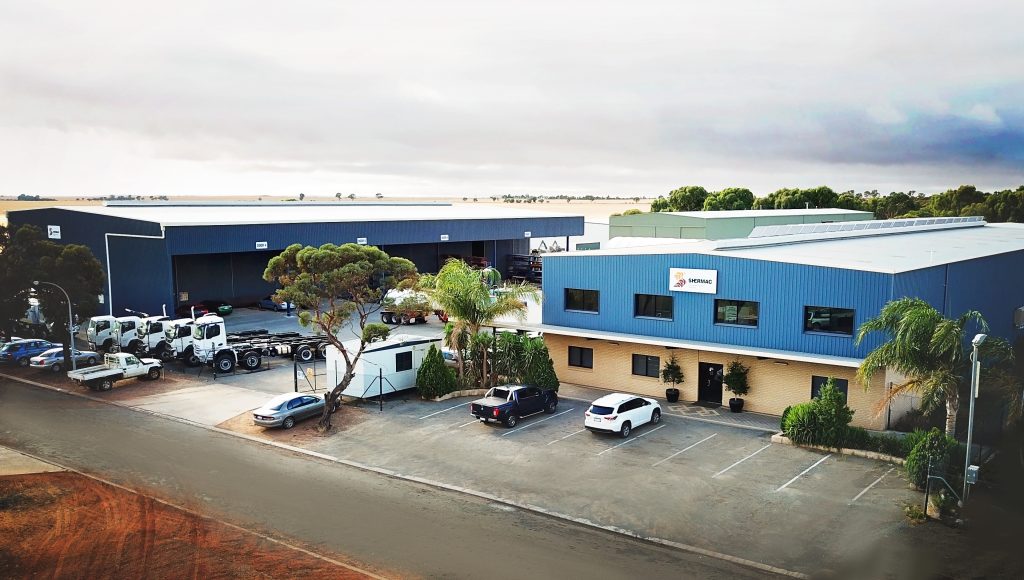
Shermac maintains a substantial parts inventory at its Dalwallinu head office and at its premises in the Perth suburb of Bayswater. 

This inventory comprises both serviceable items that require routine replacement such as filters, belts, and seals, and critical components essential for the operation of equipment. Shermac analyse usage patterns and historical data to predict the demand for spare parts, and automated minimum stock re-ordering ensures adequate inventory levels to meet customer needs. 

Shermac strive to ship customer orders same day, with a range of courier delivery options to ensure delivery to suit customer needs. 

Shermac have actively worked to de-risk its supply chain by preferencing reputable and proven Australian suppliers and maintaining safety stock levels for critical components ensures that there is a buffer in case of unexpected spikes in demand or supply chain disruptions. 

——— 

Shermac’s commitment extends beyond superb engineering and fabrication to encompass comprehensive support services. With a focus on efficient documentation, active spare parts inventory management, swift parts delivery, and supply chain resilience, Shermac stands as a reliable ally for industries demanding top-notch equipment and unwavering operational efficiency. 

If you’d like to discuss your next project, please call our team on 1300 799 943 or email [email protected] with your inquiry.    

Reliability refers to a vehicle’s ability to operate continuously and perform its expected role safely and as intended, without unplanned downtime or interruptions.  

For more than 20 years, Shermac have been designing and manufacturing service vehicles for the Australian mining industry. With a deep understanding of operating in remote areas of Australia, we can relate to the tough conditions that customers deal with every day, and we understand the critical importance of vehicle reliability to customer operations. 

Shermac’s reputation and success has been founded on engineered-for-purpose equipment and the adoption of a strategic approach to reliability management that ensures every vehicle is of a necessary standard for its intended use. 

Shermac’s approach to reliability management begins with a review of the intended “operating envelope” of a vehicle. This refers to a range of conditions and parameters within which the vehicle can safely and effectively operate. It defines the boundaries within which the vehicle’s performance, capabilities, and components are designed to function optimally. The operating envelope considers various factors that can impact the vehicle’s operation such as load capacity, environmental conditions, terrain and road conditions, and regulatory requirements.  

Shermac’s approach to reliability management encompasses the following:  

Dependability: Dependability ensures that the vehicle can consistently meet the demands of its job. A Shermac service vehicle can be counted on to be available when needed and be ready to perform its tasks without unscheduled downtime.  

Performance: A Shermac service vehicle will deliver consistent performance to meet or exceed operational expectations. It will be capable of performing its designated tasks efficiently and effectively, ensuring that services are delivered without delays or performance bottlenecks. 

Durability: Durability ensures a Shermac service vehicle can maintain its performance and functionality over an extended period. A Shermac service vehicle will be able to withstand the operating conditions of its intended working environments, such as rough terrain, extreme temperatures, dust, vibrations, and other demanding factors.  

Safety: Every Shermac service vehicle prioritises operator safety and ergonomics. It will be equipped with appropriate safety features and comply with relevant safety regulations to operate in a safe manner to minimise hazards that could impact both the vehicle operator and other personnel on the mine site. 

Maintenance: Shermac service vehicles incorporate smart design that makes it easy for operators to conduct regular inspections and perform routine preventative maintenance, supported by well-defined maintenance schedules and procedures. 

Spare Parts and Support: Shermac service vehicles are supported by a reliable supply chain for genuine parts, as well as access to technical support and expertise when required. This ensures that maintenance needs can be quickly addressed, minimising downtime, and optimising the vehicle’s reliability. 

Shermac has unprecedented experience in engineered-for-purpose service vehicles that operate safely, efficiently, and effectively within their intended operating envelope, optimising productivity and utilisation, and minimising operational risk for our customers.  

If you’d like to discuss your next project, please call our team on 1300 799 943 or email [email protected] with your inquiry.     

In Australia, a ‘mine-spec’ vehicle refers to machinery that has been specifically modified or designed to meet the safety, durability and regulatory requirements that are specific to mine safety standards.  

There are no universal or nationally mandated ‘mine-spec’ standards in Australia. Instead, the concept of ‘mine-spec’ typically refers to a set of specifications and modifications that are customised for each mining operation based on specific requirements, regulations, and safety considerations. These specifications and modifications vary depending on the type of equipment or vehicles being used, the mining environment, and the relevant state or territory regulations. 

The mining industry is subject to various safety and compliance regulations that govern equipment, vehicles, and operations. Some of the key regulatory bodies and standards include: 

  • Safe Work Australia: Safe Work Australia provide guidance on various aspects of safety, including the use of equipment and vehicles in mining operations. 
  • State and Territory Regulations: Each Australian state and territory may have its own mining safety regulations and guidelines. These regulations can vary slightly from one jurisdiction to another but generally adhere to national safety standards. 
  • Australian Standards: The AS/NZS series includes standards applicable to equipment used in mining. While not specific to ‘mine-spec’ vehicles, these standards often provide guidance on safety features and requirements. 
  • Industry Associations: Various industry associations may provide guidelines and best practices related to safety and equipment use in the mining sector. 

While there are no universally standardised ‘mine spec’ regulations in Australia, the core principles of ‘mine spec’ vehicles and equipment typically revolve around safety, durability, and compliance with relevant regulations.  

Here are some common features found on a ‘mine spec’ vehicle: 

Enhanced Safety Features: 

  • Battery isolation with lockout mechanism 
  • Always-on headlights 
  • Elevated taillights 
  • Emergency egress options 
  • Falling Object Protection Systems (FOPS) 
  • Fire suppression systems 
  • ID signage 
  • Roll-Over Protection Systems (ROPS)  
  • Wheel nut indicators 

Durability and Robustness 

  • All terrain tyres 
  • Heavy-duty suspension 
  • Reinforced frames 

Environmental Considerations 

  • Bunding systems 
  • Emissions control 

Operator Comfort and Ergonomics 

  • Climate control 
  • Dust control 
  • Ergonomic seats 
  • Noise reduction features 
  • Vehicle access systems 

Ease of Maintenance 

  • Accessible components and service points 
  • Self-reporting systems 

While ‘mine spec’ vehicles may have a higher upfront cost, long term value is created through their durability and reduced maintenance needs and often lead to a lower total cost of ownership over their lifespan. In addition, ‘mine spec’ vehicles often hold their value better in the resale market due to their durability, compliance, and reputation for safety. 

———

Shermac is an Australian family-owned business that has been fabricating high quality, mine-spec water carts and service vehicles for the mining sector since 2002. The Shermac team has a deep understanding of operating in remote areas of Australia, so we can relate to the tough conditions that customers deal with on a daily basis. Shermac has unprecedented experience in engineered-for-purpose water carts and service vehicles that operate safely, efficiently, and effectively within their intended operating envelope, optimising productivity and utilisation, and minimising operational risk for our customers.    

If you’d like to discuss your next project, please call our team on 1300 799 943 or email [email protected] with your inquiry.

The use of diesel-powered equipment has created long-term challenges for the mining industry.  

The exhaust produced by burning diesel fuel is a complex mixture of gases, vapours, liquid aerosols, and particulate substances. These include hazardous chemicals such as nitrous oxide, nitrogen dioxide, sulphur dioxide and carbon monoxide. Particulates include fine carbon particles to which hazardous chemicals, known as poly aromatic hydrocarbons, can adhere and, because of their small size, when inhaled can penetrate deep into the lungs and increase the risk of heart and lung disease. 

In underground settings, risk mitigation has required the installation of extensive ventilation infrastructure. 

Reducing CO2 emissions 

In addition to health and safety, diesel vehicles account for 30%-50% of greenhouse emissions at a mine site and, as mine operators look to reduce CO2 emissions and mitigate risks to the wellbeing of staff, electrification of equipment in mining operations has been progressively gaining momentum over the last few years and is now firmly on the agenda and the market for BEV’s (battery electric vehicles) is exhibiting strong growth. 

In existing underground mines, the need to overlay an electrical infrastructure with charging/refuelling capabilities over an established ventilation infrastructure might be cost prohibitive, and the business case for widespread adoption of BEV’s in surface mining operations is complex. 

These are challenges that mining companies might struggle to overcome alone, and they demand a collaborative approach from a range of industry participants. 

Innovation for Cleaner, Safer Vehicles 

In 2018, the International Council on Mining and Metals (ICMM) in conjunction with some of the world’s largest OEM’s, announced the Innovation for Cleaner, Safer Vehicles (ICSV) initiative. This is a CEO-led collaboration that brings together member companies and OEMs in a non-competing space to accelerate the development of a new generation of mining vehicles, while improving existing technologies. 

See: https://www.icmm.com/website/publications/pdfs/innovation/2021/icsv-factsheet.pdf 

The initiative has three main ambitions: 

  • Introduce greenhouse gas emission-free surface mining vehicles by 2040. 
  • Minimise the operational impact of diesel exhaust by 2025. 
  • Make vehicle collision avoidance technology available to mining companies by 2025. 

For each of these ambitions, the initiative has created a Maturity Framework to determine an operation’s current and future desired status, to increase operational readiness to adopt solutions at a faster pace, including the enabling infrastructure, capacity building and clean energy procurement. 

Building confidence for change 

ICMM members represent approximately 30 per cent of the global metals market, with over 650 assets in more than 50 countries, offering a critical mass for change that creates market pull. This significant representation of industry can speak with an aligned voice, on aligned objectives with OEMs and third-party technology providers, sending them strong signals on mining companies’ requirements and on what is needed to accelerate development and adoption of technology across the industry. 

——- 

Shermac has been designing and manufacturing engineered-for-purpose service vehicles and water carts for the mining industry for over twenty years. With our OEM partners, we are closely monitoring the ICSV initiative and developments in BEV’s for mining applications and will keep our customers updated with any matters of interest. 

You can talk to our expert team by calling us on 1300 799 943 or email [email protected] with your enquiry. We look forward to hearing from you.  

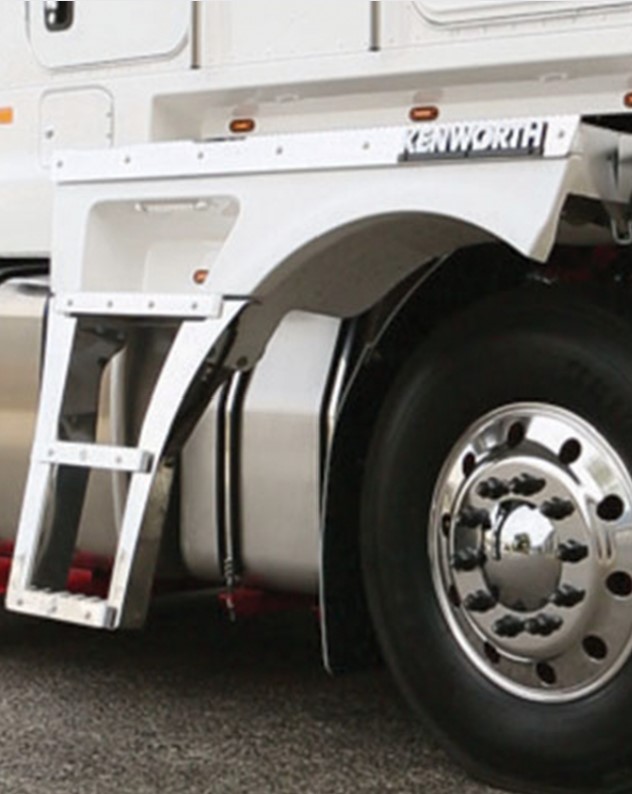
The operator of a service vehicle, such as Shermac’s custom service trucks, will visit many different locations during a shift and may be required to get in and out of the cabin up to 30 times.

Climbing into and out of a cab is physically demanding and the risks to operator safety include repetitive strain injuries and the potential for slips, trips and falls. These risks are exacerbated by factors such as uneven, slippery or soft ground surfaces, poor lighting, different cab heights and the different body shapes of operators. 

To mitigate risk, cabin design includes non-slip steps that are deep enough to provide a stable access platform and handrails that are low enough to allow for a comfortable grip and long enough to provide a continuous hand grip up the steps. 

Operators should wear proper footwear with non-slip soles and should routinely check that the non-slip step surface is in good condition. The operator should face the cabin and use the steps and grab handles to establish and maintain three points of contact. 

Despite these measures, strain injuries, slips and falls during entry and exit from heavy truck cabs are common, and access and egress to and from the driver cab is a risk area amenable to engineering as well as behavioural solutions, and a number of truck manufacturers have introduced initiatives to try and address this challenge. 

Low Entry Cabs 

Low entry cabs were specifically conceived for operations that require the driver to climb in and out of the cab several times a day and typically feature two steps and a walk through cab that can be accessed via full-height doors on either side. 

Manufacturers note that low entry cabs are ergonomic and much gentler on backs and knees, and that work processes are significantly faster. 

Kenworth Active Cabin Entry 

The Kenworth Active Cabin Entry (ACE) is a system of hydraulically operated steps that extend outward to form a staircase and a platform to access the cab. The steps have integrated LED lights and there are two switches that can be used by the driver to activate the steps – one located on the dash and the other at the base of the driver’s seat meaning the system can be easily activated to enter or exit the cab. 

As the premier manufacturer of service vehicles for the mining and earthmoving industries, continuous improvement is part of Shermac DNA. We continually monitor industry developments that have the potential to improve operator ergonomics and optimise productivity as part of our commitment to engineering safety in and hazards out. 

Supply chain disruptions are something most mining and civil operators are managing on an ongoing basis. Delays in materials, longer equipment lead times, labour constraints, and ongoing pressure on global freight have become part of normal operating conditions.

Industry reporting over recent years shows global manufacturing and freight lead times reached levels not seen in decades, with flow-on effects still impacting equipment availability and delivery timelines today.

From our side, as an Australian manufacturer, we see the impact every day. When supply chains slow down, projects feel it quickly. Equipment deliveries move, parts take longer to arrive, and planning becomes harder, especially on sites where uptime and compliance are non-negotiable.

The disruption that followed COVID exposed how fragile global supply chains can be, but those challenges did not end when borders reopened. Many overseas suppliers are still unpredictable, and logistics delays remain common.

In this article, we share practical ways to handle supply chain disruptions, reduce risk, and build more resilient operations based on what we see across mining and civil projects every day.

What causes supply chain disruptions?

Understanding these causes is the first step in identifying and managing broader supply chain disruption risks across mining and civil operations.

Common causes can include:

  • Global manufacturing delays
    • Reduced production capacity overseas can limit the availability of raw materials, components, and finished equipment, extending lead times across the board.
  • Labour shortages
    • Skills shortages in manufacturing, transport, and logistics reduce output and slow fulfilment, even when demand remains strong.
  • Logistics and freight constraints
    • Port congestion, container shortages, and inconsistent shipping schedules continue to affect deliveries into Australia, making timelines harder to predict.
  • Demand volatility
    • Sudden spikes in demand can quickly drain inventory, particularly for businesses relying on lean or just-in-time supply models.
  • Over-reliance on overseas suppliers
    • Long lead times, limited visibility, and reduced access to local support can turn small delays into major operational disruptions once equipment or parts are needed on-site.

When these factors combine, delays tend to ripple through the entire supply chain, impacting equipment availability, project schedules, and overall operational certainty.

Why supply chain disruptions hit Australian manufacturers hard

Supply chain disruptions tend to have a bigger impact on Australian manufacturers and operators than many global counterparts. Key factors include:

  • Geographic isolation
    • Australia relies heavily on imported components, equipment, and materials. Longer shipping distances mean longer lead times and fewer options when delays occur.
  • Limited local alternatives
    • When overseas suppliers fall short, finding equivalent local replacements is not always possible, particularly for specialised or compliance-critical equipment.
  • Tight project schedules
    • Mining and civil projects operate to fixed timelines. Delays in vehicles, parts, or servicing equipment can quickly lead to project overruns and contractual pressure.
  • Compliance and safety requirements
    • Equipment delays do not just affect productivity. They can also create compliance risk where mine-spec or site-specific standards must be met before work can proceed.
  • Higher cost exposure
    • Freight increases, expediting fees, and extended downtime all add cost. These impacts are amplified when supply chains are stretched or unpredictable.

For operators working in remote or high-pressure environments, even small supply chain issues can have outsized consequences.

Mining industry analysis consistently ranks supply chain disruption as a leading operational risk, with equipment procurement lead times often extending months beyond original planning assumptions.

That is why effective supply chain risk management has become a critical part of maintaining operational continuity, not just a procurement challenge.

How to handle supply chain disruptions proactively

Prioritise local and Australian-based suppliers

Working with Australian manufacturers and suppliers reduces exposure to long lead times, shipping delays, and limited offshore support. Local supply chains offer better visibility, faster response times, and clearer communication when issues arise, lowering overall disruption risk when conditions tighten.

For critical equipment and service vehicles, local manufacturing also provides greater confidence around compliance, quality control, and ongoing parts availability.

Standardise your fleet where possible

Fleet standardisation simplifies procurement, servicing, and parts management. Running consistent equipment across sites reduces the number of unique components required and makes it easier to source spares quickly when disruptions occur.

Standardised builds also improve operator familiarity and maintenance efficiency, helping keep assets in service for longer.

Plan ahead for equipment and asset lifecycles

Forward planning allows operators to identify potential supply constraints early and place orders before delays become critical. Understanding when assets are due for replacement, upgrade, or major servicing helps avoid reactive purchasing when timelines tighten.

Lifecycle planning also helps spread capital spend and avoid reactive purchasing when supply options are limited.

Build for longevity and ease of servicing

Choosing equipment designed for long-term durability reduces reliance on frequent replacement parts. Assets that are easy to service, supported locally, and built for harsh conditions are less vulnerable when supply chains tighten.

Reliable equipment stays productive longer and gives operators more flexibility when parts availability or delivery timelines are uncertain.

Maintain strong supplier relationships

Long-term supplier relationships improve transparency and reliability. Suppliers who understand your operation are better placed to prioritise orders, flag risks early, and work collaboratively when disruptions occur.

In volatile conditions, trust and communication often matter as much as pricing.

How to respond when a supply chain disruption occurs

Even with good planning, supply chain disruptions still happen. When they do, the response matters just as much as the preparation. Having clear communication processes and practical contingency plans in place allows teams to respond quickly without compromising safety, productivity, or compliance.

These are the key response principles we consistently see work.

Communicate early and clearly

When delays occur, early communication reduces pressure downstream. Letting internal teams, contractors, and suppliers know what is happening allows schedules to be adjusted before issues escalate.

Clear timelines, even if they are not ideal, are easier to manage than uncertainty.

Prioritise critical production

Not all assets carry the same operational risk. During supply constraints, focusing available resources on critical vehicles, high-utilisation equipment, and compliance-sensitive assets helps keep sites running safely and productively. This prioritisation reduces the impact of delays across the wider operation.

Adjust timelines realistically

Trying to force original timelines during a disruption often creates more risk. Revisiting delivery windows, service intervals, and deployment plans allows work to continue without compromising safety or quality. A realistic reset is usually more effective than a rushed workaround.

Review and adapt quickly

Once immediate pressure eases, reviewing what caused the disruption and how it was handled is critical. These reviews inform future ordering, fleet planning, and supplier decisions.

In our experience, businesses that treat disruptions as learning points strengthen their resilience over time.

How Shermac manages supply chain disruptions

As an Australian manufacturer supplying mining and civil operators, supply chain disruption is something we actively manage every day. We are not immune to global pressures, but the way we structure our business is designed to reduce risk for our clients.

A key part of this is long-standing relationships with local and trusted suppliers. Many of our material and component partners have worked with us for years, which improves consistency, communication, and supply reliability when conditions tighten.

We also hold higher inventory levels on critical materials and components. This approach reduces exposure to short-term shortages and helps keep production moving when supply chains are under pressure.

Manufacturing locally gives us greater control over quality, compliance, and scheduling. It also means faster access to support and parts once vehicles are delivered, reducing reliance on overseas freight and long lead times.

Most importantly, we plan production around real project timelines. When clients engage early, we can align materials, labour, and build schedules to deliver equipment without compromising quality or safety, even in challenging conditions.

Supply chain resilience starts with the right decisions

Supply chain disruption is now part of operating in mining and civil environments. The businesses that manage it best focus on early planning, asset longevity, and supplier reliability. Choosing Australian-made, mine-spec equipment with local parts and support reduces risk, shortens lead times, and improves operational certainty.

Investing in Australian-made service trucks built and supported locally is a practical way to protect uptime, maintain compliance, and stay productive when supply chains remain uncertain.

Kerb Weight is the weight of an empty vehicle with all fluids such as oil and coolant and a full tank of fuel. It is literally the weight of a vehicle parked at the kerb and ready to drive away.

The Gross Vehicle Mass (GVM) is the maximum weight of a fully loaded vehicle as specified by the manufacturer. This is equivalent to the Kerb Weight plus the weight of all accessories and the payload. The payload is the weight of everything loaded onto the vehicle, which includes the driver and passengers.

The payload carried by a vehicle must be properly distributed to ensure it does not exceed the maximum load that the front and rear axles can carry, as specified by the manufacturer.

The Kerb Weight less the GVM is the total payload capacity – the total weight of accessories, cargo, and people that the vehicle can transport without towing a trailer.

If a vehicle is towing a trailer, several additional factors must be considered to ensure a vehicle can reliably and safely tow a specified load and can launch – move a load from a complete stop, accelerate and climb.

The Trailer Weight (TARE) is the weight of an empty trailer, while the Gross Trailer Weight (GTW) is the maximum axle load that the trailer can carry as specified by the manufacturer.

When towing a trailer, the bulk of the trailer weight is taken by the trailer wheels, but a small proportion is passed to the towing vehicle via tow bar. The Tow Bar Download (TBD) is typically between 10% and 15% of the GTW, and together, the TBD and the GTW form the Aggregate Trailer Weight (ATW) which is the maximum towing weight as specified by the manufacturer.

Finally, the Gross Combination Mass (GCM) is the maximum combined weight of a vehicle and trailer as specified by the vehicle manufacturer. In the same way that cargo on the towing vehicle needs to be properly distributed to not exceed the axle capacities, so too does cargo on the trailer. As a rule of thumb, approximately 60% of the load should be in the front half of the trailer but it is important to note that overloading the front of a trailer will increase the TBD and potentially exceed the 15% range which may result in impairment of vehicle performance.

Headquartered in regional Western Australia, Shermac has been designing and manufacturing high quality, engineered-for-purpose mobile equipment in the mining, civil and commercial sectors since 2002.

Shermac engineers utilise world-class technology that allows them to exactly measure vehicle and trailer load, and weight distribution and compliance is verified at several stages in the Shermac design process. An initial weight report is submitted at quotation, another is submitted at completion of detailed design and engineering, and a final weight report is submitted pre-delivery.

On average, in the Australian manufacturing industry, 8% of people change jobs every year. At Shermac, the figure is less than a quarter of the national average, and once people start working for Shermac, they often stay and become long-term employees. 

We spoke to Shermac Chief Executive, Mike Ray. 

We value and respect our staff and we look after them well 

‘Shermac is a stable, family-owned and operated business that has enjoyed long-term growth. We employ a diverse, highly skilled and multi-cultural staff of more than 50 people. We work hard to offer our staff a safe, supportive work environment and create a mutually beneficial experience’ 

Shermac manufacture specialised purpose-built service vehicles designed for the mining and construction industries. Clients are highly demanding and run 24 x 7 x 365 operations in some of the most hostile environments on earth. Mike Ray said, ‘We believe that we manufacture the best equipment of its type in the world, and we have extremely high standards. Our staff take immense pride in the equipment we build. Every job we do is different, and we encourage our staff to draw on their experience and tell us where opportunities exist to do things better and where we might improve.’ 

Shermac are an end-to-end fabricator and doing everything in-house not only enables the company to control every aspect of production and quality but also exposes staff to a wider range of activities than most fabricators and creates opportunities to improve their skills and develop new ones. 

Mike Ray said, ‘We We operate from a state-of-the-art manufacturing facility, and we are constantly updating our processes to keep up with the latest equipment and technological advances to maximise efficiency. We have recently constructed a purpose-built heavy fabrication workshop to build large tank modules and install completed modules on off-road chassis. This facility included an industry-first custom-engineered tank rotation system where equipment, mounted in a floor pit, is connected to the tank which can be lifted and rotated as needed.’

Treating people well is hard-wired into our DNA 

‘It doesn’t matter whether you are a team member, a supplier, or a customer, we treat everyone with decency and respect. We want everyone who comes in contact with Shermac, whether it’s a local work-experience student, a delivery driver or a multi-million dollar customer, to have a positive experience.’ 

‘We treat our customers the same way we would treat a guest in our home. We do everything in our power to ensure that their needs are met and that we provide not only the best solution to their problems, but also the best possible customer experience.’ 

We actively support the community that is our home 

Shermac’s home is Dalwallinu - a small town in the Wheatbelt region of Western Australia, approximately 250km Northeast of Perth.  

‘Over the years, we have become a major employer in Dalwallinu, and we acknowledge and embrace our responsibilities to our home community. We actively play our part in supporting the economic and social viability of the community in which we live and work.’ 

‘This community perspective is apparent in everything we do. While we have always endeavoured to hire and spend locally, we have sponsored skilled migrants and are delighted that they have become active members of the local community and now consider Dalwallinu as their home. We offer work experience to local youths and hire apprentices from the local community.’ 

‘We sponsor and donate to local sporting, community and not-for-profit groups. We have staff members that volunteer with the local emergency services and, when they respond to local emergencies, we continue to pay them as-if they were still at work as we won’t allow them to suffer any financial penalties when supporting our community. We recently covered all costs for staff that travelled 400kms to support cyclone relief efforts in remote WA communities.’ 

‘Families are at the heart of all vibrant, caring communities and we are as flexible as we can be in terms of work arrangements and accommodating the needs of our staff to balance work and family commitments.’ 

Working with Shermac 

‘As a growing business, we’re always interested in hearing from people who’d like to join our team and if Shermac sounds like the type of business you’d like to be part of, we’d encourage people to contact us as we’d love to have a chat’. 

If you’d like to find out more about opportunities with Shermac, please call us on 1300 799 943 or email [email protected]  

The challenges presented by dust from coal mining activities is well understood. When inhaled, coal dust is a proven carcinogen and a cause of lung disease. When mixed with gas, atmospheric coal dust creates a potential explosion hazard, and it also presents equipment maintenance challenges through premature wear and breakdowns. 

Australia is the 4th largest coal producer in the world and is responsible for 6.2% of global coal production. There are approximately 400 coal mines in Australia and nearly 80% of coal is produced from open-cut mines in contrast with the rest of the world, where open-cut mining only accounts for 40% of coal production. 

Types of atmospheric particles include suspended particulate matter designated as PM10 which are coarse particles with a diameter of 10 microns or less and fine particles, designated PM2.5 with a diameter of 2.5 microns or less. 

During the extraction, transport and processing of coal in surface mining operations, significant amounts of airborne respirable dust can be generated. 

While there are rigorous safety standards to reduce the risks associated with coal dust, mine haul roads are particularly challenging. 

“Mine haul roads are generally dirt roads and sustain continuous heavy vehicle traffic” EPA’s Mark Gifford said, adding “Dust generated from haul roads within the mines is the biggest source of fine dust particles on most mine sites, contributing about 40 per cent of total emissions. 

When it is windy and dry, this [overburden] dust is more likely to leave mine sites, so tighter control is needed at these times,” Gifford said. 

Mine roads need to be constructed and maintained to optimise the transfer of material from the point of production to processing facilities while minimising the creation of airborne dust, and one of the unsung heroes of the mining industry is the water truck. The water truck (or water cart) is essential for compaction and dust suppression on mine roads. 

Shermac was founded on the understanding that the operational needs and operating environments of customers were so diverse that standardised equipment did not offer them sufficient flexibility, and while customers were looking for customised equipment options, these were not available in the equipment manufacturers marketplace.  

Shermac will work with you to establish your strategic, operational, and budgetary requirements to build the ideal water cartage vehicle or fleet that saves you time and money. Customisation ensures Shermac water carts are fit-for-purpose, optimising productivity, utilisation and effectiveness while minimising operational risk for our customers. 

Ready to find out more? Talk to our expert team to find out more about how custom design and concept-to-delivery engineering and manufacturing capabilities can minimise project risk and ensure lowest total cost of ownership.  

Shermac design and manufacture custom-built water cartage and support vehicles for the mining, civil and commercial sectors. While manufacturing is based in Western Australia, through a national footprint of support offices, we serve customers Australia-wide. 

Shermac has designed, engineered and fabricated products for some of the worlds’ largest mining and civil engineering contractors, including BHP, Rio Tinto, Fortescue, Thiess, Komatsu and Alcoa. Much of this work has been to address highly specialised requirements demanding one-off engineering solutions to operate in some of the most hostile environments on earth. 

In addition to corporates and multinationals, Shermac has successfully completed a large number of projects for smaller and owner-operated businesses. 

Shermac believe it is entirely reasonable for a customers to ask “Why should we use Shermac?” 

Shermac CEO, Mike Ray says,”We must differentiate ourselves on dimensions that are relevant and meaningful to our clients. Based on our experience, there are three key dimensions that are important to our clients – minimising supply risk, eliminating operation risk and lowest lifetime cost of ownership”. 

Minimising supply risk 

One-stop describes an end-to-end process that takes a service from beginning to end and delivers a complete functional solution. Shermac is a partner that can see a project through from beginning to end, and supply everything needed to create a workable solution.  

Shermac’s in-house capabilities include design and engineering, procurement, complete fabrication capabilities including assembly, testing, hydraulic engineering, auto electric, paint and commissioning, and extends to transport, delivery, operator training, after-sales support and parts.  

From Shermac’s perspective, this end-to-end capability is the realisation of a philosophy that helps to optimise the performance and efficiency of the business by eliminating the middle-man and provides a much more predictable cost base with complete control over quality and improved management of project timelines.  

From a customer perspective, it means that Shermac has a complete and unbroken line-of-sight from initial concepts through to final delivery and has full accountability for every aspect of the project.  

While many contractors may argue they have one-stop capability, this often only applies to fabrication of standard, off-the-shelf products, and any level of customisation will require extensive use of third parties for design, sourcing and fabrication, with the resultant loss of control and breakdown of the accountability trail. 

Eliminating operational risk 

Shermac was founded on the understanding that the operational needs and operating environments of customers were so diverse that standardised equipment did not offer them sufficient flexibility, and while customers were looking for customised equipment options, these were not available in the equipment manufacturers marketplace. 

Customisation ensures Shermac equipment is fit-for-purpose, optimising productivity, utilisation and effectiveness, and minimising operational risk for our customers. 

The Shermac team has a deep understanding of operating in remote areas of Australia, so we can relate to the tough conditions that customers deal with on a daily basis, and the company has unprecedented experience in custom-built, fit-for-purpose and lowest cost of ownership service vehicles for mining, civil and commercial environments.  

Lowest total cost of ownership 

Total cost of ownership (or TCO) includes the purchase price of a particular asset plus all operating, service, maintenance and repair costs over the asset’s lifespan, including cost of disposal and residual value on disposal.  

For assets with a long service life, the initial up-front cost of a product is often only a small part of TCO and purchasing managers know that while good procurement is achieving the right price, best value for money is the lowest lifetime cost.  

While minimising lifetime operating and asset care costs requires best practice by management, the manufacturer can make a significant contribution to TCO through quality design, engineering and product build. There are three critical factors in managing TCO to minimise the incurred cost of operations and maintenance. 

The most crucial factor in minimising TCO is to ensure that operating practices adhere absolutely to operations within the asset’s designed operating envelope. This highlights the critical importance of customisation to ensure that each asset is designed to perform a specific range of work and bound by a specific range of inputs and outputs.  

A second critical requirement is effective operator care. The operator plays a vital role in controlling total cost of ownership as properly maintained assets require less energy, can consistently maintain rated performance and generate near perfect product quality. Shermac design and engineer equipment to ensure that operator maintenance can be performed quickly and easily including ‘self-reporting’ products that alert the operator to maintenance needs.  

Finally, in conjunction with proper operation, effective asset care has a direct impact on total cost of ownership, including preventative maintenance, scheduled replacements and periodic rebuilds. Again, Shermac’s focus on details such as chassis selection, product selection and durability, ease of access and maintenance and availability of spare parts all contribute to effective asset care.  

Shermac’s end-to-end capability allows us to relentlessly focus on customisation, operator maintenance and asset maintenance ensuring lowest lifetime cost of ownership and maximising value for our customers. 

Stay Updated