Choosing the right service vehicle supplier is a decision that directly impacts your operations. In mining, civil, and construction environments, service vehicles are long-term assets that play a critical role in keeping equipment running, crews productive, and sites compliant.
This guide outlines the key factors to consider when selecting a service vehicle supplier, so you can reduce operational risk and invest in equipment that performs reliably in real-world conditions.
A service vehicle is only as reliable as the supplier behind it. Build quality, engineering discipline, and ongoing support all sit with the manufacturer, not the asset itself.
Choosing the right supplier directly affects:
When these factors are aligned, service vehicles become a stable, high-performing part of your operation. When they’re not, they introduce ongoing cost, delays, and risk.
Engineering capability determines how well a service vehicle performs under real operating conditions. A capable supplier will design the vehicle around its intended application, site conditions, and duty cycle.
Key areas to assess include:
In mining and civil environments, compliance is never optional. A service vehicle must meet strict site requirements before it can operate, and gaps in compliance can delay deployment or introduce safety risks.
When assessing a supplier, look for:
A supplier with strong compliance capability reduces approval delays, supports safer operations, and ensures your vehicle is ready to perform from day one.
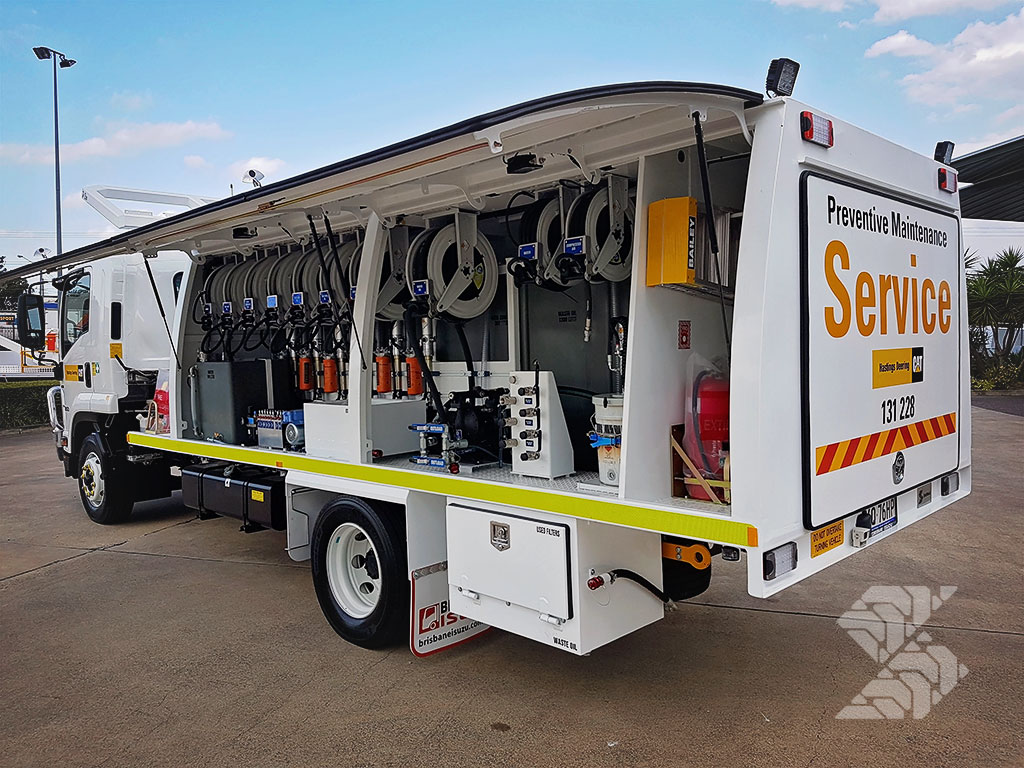
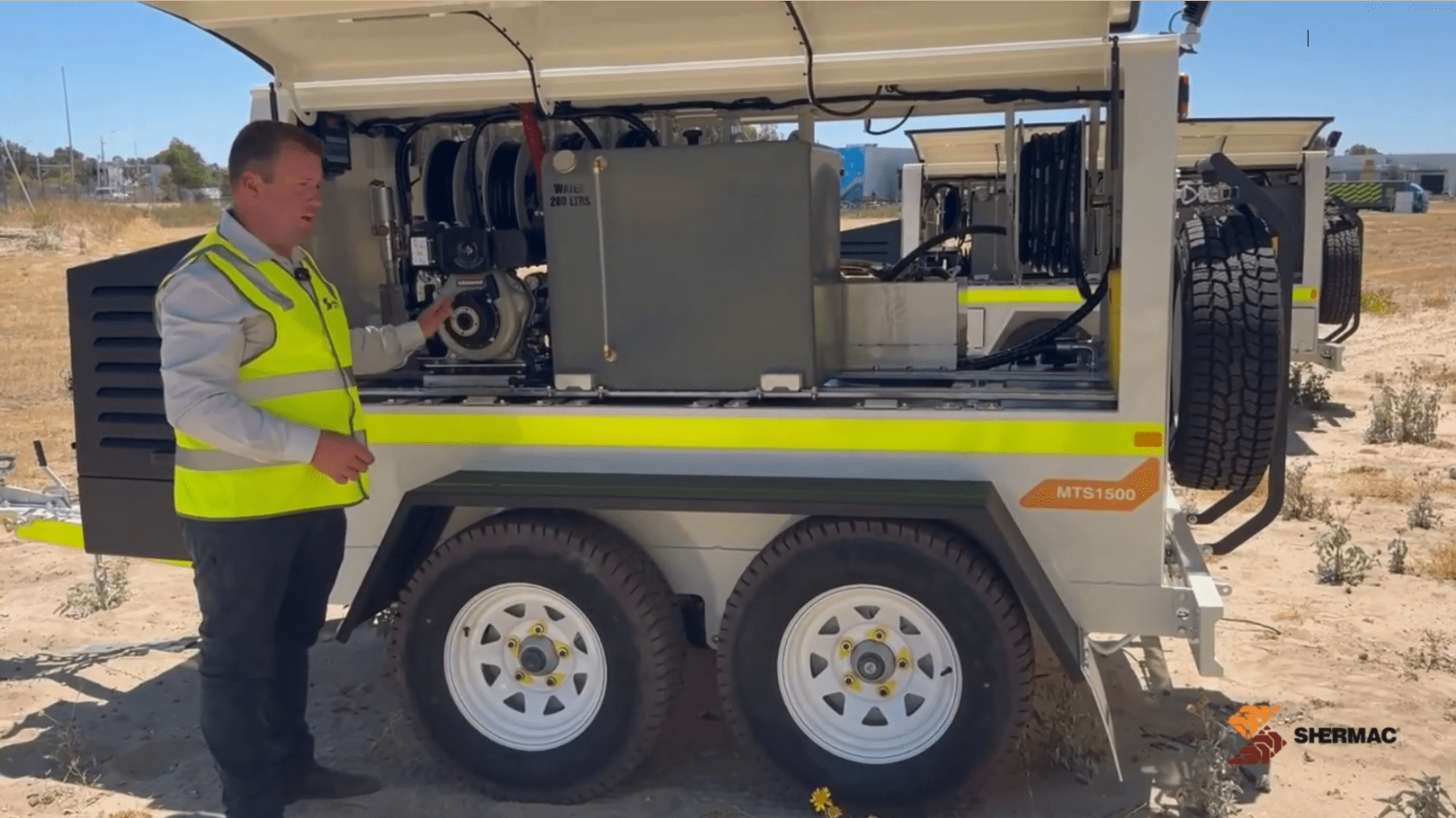
No two sites operate the same way, so a service vehicle should be built to match your workflows. Suppliers that rely on fixed or off-the-shelf designs often create inefficiencies that impact servicing speed and overall productivity.
Key considerations include:
A well-configured vehicle improves servicing efficiency, reduces operator fatigue, and ensures your fleet can be maintained consistently across every shift.
A supplier’s track record is one of the strongest indicators of how their vehicles will perform in the field.
When evaluating suppliers, consider:
A supplier with a proven track record reduces uncertainty and gives you confidence that the vehicle will deliver consistent performance across its lifecycle.
A service vehicle supplier should support your operation well beyond delivery. Ongoing access to parts, servicing, and technical expertise is critical to keeping your fleet running efficiently.
Key factors to assess include:
Strong after-sales support reduces downtime, simplifies maintenance, and ensures your vehicle continues to perform as expected throughout its lifecycle.
Consistent build quality comes down to the processes behind the vehicle. A supplier with strong manufacturing discipline will deliver reliable, repeatable outcomes across every unit.
When reviewing a supplier, look for:
Strong manufacturing processes reduce defects, improve reliability, and give you confidence that every vehicle will perform as expected.
Delays in vehicle delivery can impact project schedules, increase costs, and create unnecessary pressure across operations. A reliable supplier should provide clear timelines and consistently meet them.
Key considerations include:
Reliable delivery reduces procurement risk, supports project planning, and ensures your fleet is ready when you need it.
Focusing on upfront price alone often leads to higher costs over time. A well-engineered service vehicle will deliver lower maintenance requirements, fewer breakdowns, and a longer service life, all of which contribute to better overall value.
Factors such as ease of servicing, component quality, and reliability in harsh conditions directly impact operating costs across the lifecycle of the asset. Choosing a supplier that prioritises engineering, durability, and support helps reduce total cost of ownership and protects your investment over the long term.
Working with an Australian-based manufacturer provides practical advantages that directly support reliability and operational performance:
Choosing an Australian-made supplier improves response times, reduces risk, and ensures your equipment is built for the conditions it will face.
Choosing the right supplier comes down to confidence in performance, delivery, and long-term support. Shermac is built around these fundamentals.
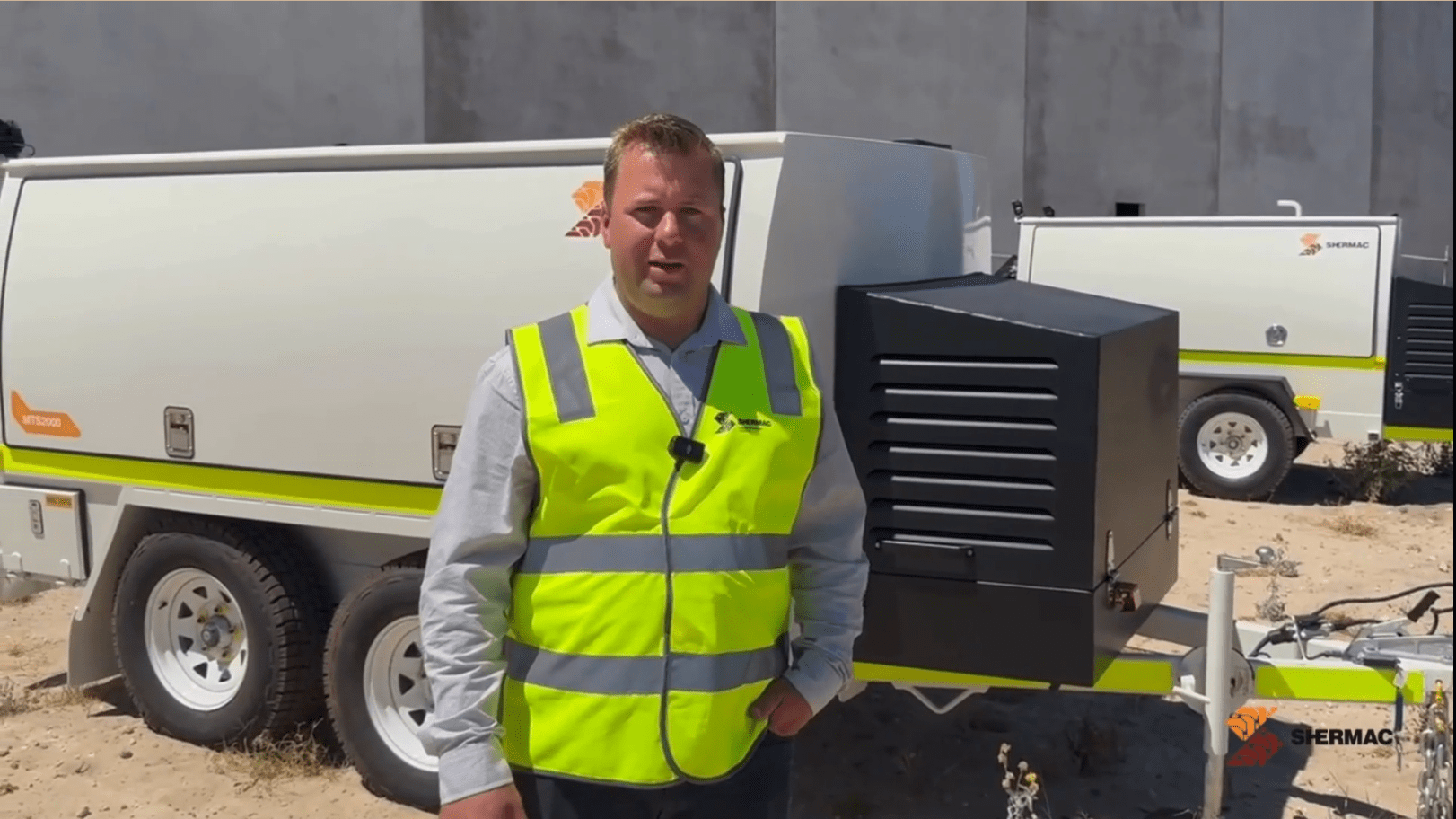
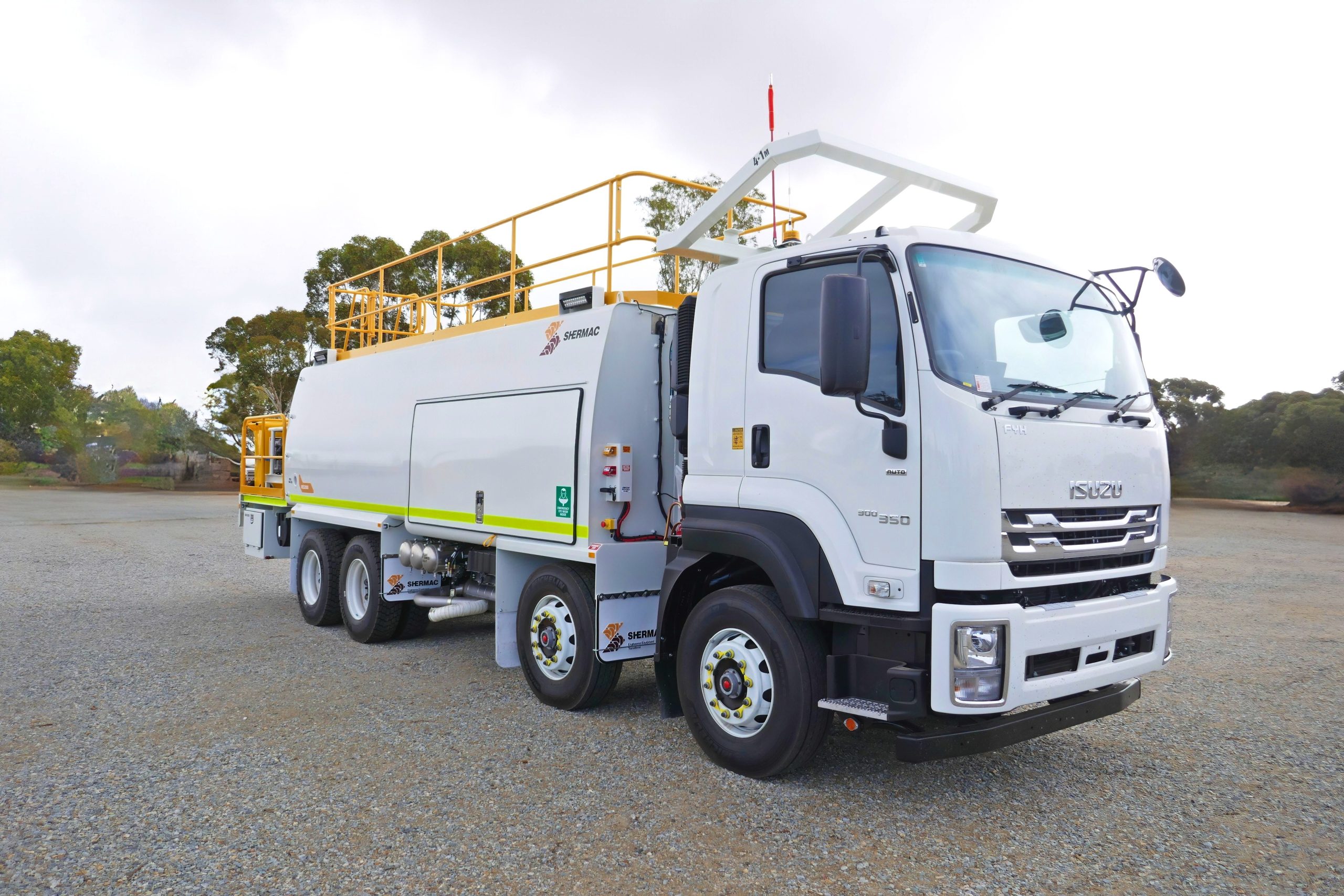
Every Shermac vehicle is designed, fabricated and assembled in WA, ensuring it is built for Australian conditions and operational demands.
All builds are engineered to meet strict mine-site safety and compliance requirements, reducing onboarding delays and operational risk.
Shermac vehicles are trusted across mining and civil operations, with proven reliability in remote, high-heat and dust-heavy conditions.
Each vehicle is configured to suit your site workflows, servicing requirements and environmental conditions for better efficiency and usability.
Structured manufacturing processes ensure consistent build quality, full traceability and reliable performance across every unit.
From initial consultation through to parts, servicing and technical support, Shermac provides ongoing support to keep your fleet operating.
If you’re planning your next service truck or reviewing your current supplier, speak with the Shermac team.
Book a consultation or contact us on 1300 799 943 to discuss your operational requirements.
Talk to our well-trained and knowledgeable team to find out more about our customisation process and how we can help you.
Call our team on 1300 799 943 or email sales@shermac.com.au with your inquiry.