Your maintenance strategy has a direct impact on how efficiently your operation runs. When heavy equipment needs servicing or repair, the decision often comes down to two options: send field service technicians to the job site or move the machine back to the workshop.
Both approaches have their place. The challenge is understanding which option makes the most sense for the type of work, the site conditions, and the operational pressure around the job.
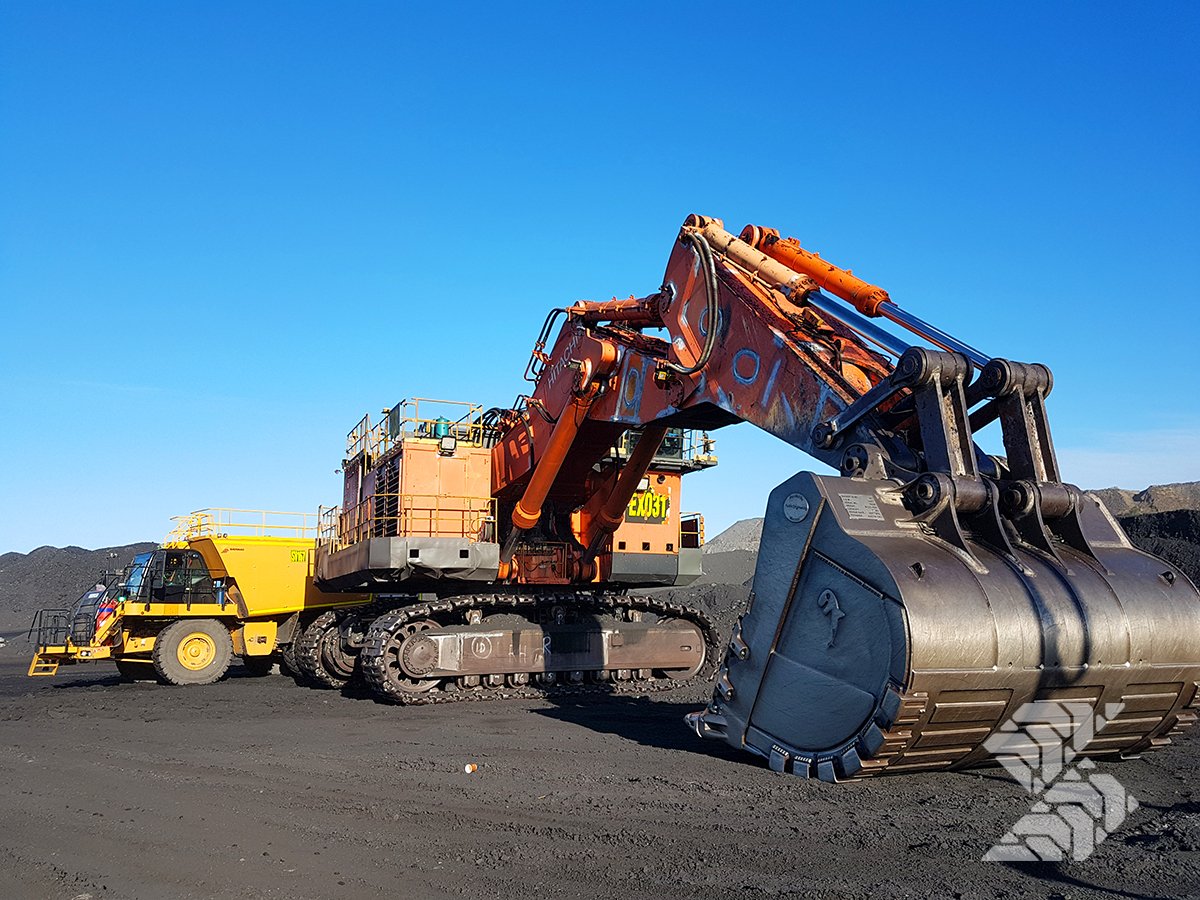
Field service maintenance is when field service technicians carry out equipment maintenance and equipment repair directly at the job site.
Using fully equipped service vehicles, technicians can perform servicing, inspections, fault finding, fluid management, hydraulic systems work, electrical systems repairs, and preventive maintenance on site. This approach is commonly used across mining, civil, and construction operations where heavy equipment is operating in remote or high-demand environments.
Workshop maintenance is when heavy equipment is serviced, inspected, or repaired within a dedicated maintenance facility using fixed infrastructure, specialist tooling, and workshop-based diagnostic equipment.
Workshop environments are commonly used for equipment maintenance involving major component work, detailed inspections, hydraulic systems servicing, electrical systems repairs, fabrication, and scheduled maintenance programs.
| Factor | Field Service Maintenance | Workshop Maintenance |
| Location | Performed directly at the job site | Performed within a dedicated workshop facility |
| Equipment access | Technicians travel to the equipment | Equipment is brought into the workshop |
| Common tasks | Preventive maintenance, inspections, hydraulic systems servicing, electrical systems repairs | Major component work, rebuilds, fabrication, detailed diagnostics |
| Tools & infrastructure | Fully equipped service vehicles with mobile tools and systems | Fixed workshop infrastructure and specialist diagnostic equipment |
| Work environment | Active mining, civil, and construction sites | Controlled indoor maintenance environment |
| Schedulling | Often used for fast-response and on-site servicing requirements | Commonly planned around scheduled maintenance programs |
| Technician Setup | Mobile field service technicians | Workshop-based maintenance teams |
Moving heavy equipment into a workshop involves far more than the repair itself. For mining, civil, and construction operations, the surrounding logistics can quickly add significant time and money to the job.
Common costs and disruptions include:
On remote WA sites, these delays are often amplified by long distances between operations and workshop facilities. Even relatively straightforward equipment repair work can result in extended downtime once transport and scheduling pressures are factored in.
Field service maintenance is often the more practical option when equipment needs to stay operational and accessible on site. For many mining, civil, and construction operations, sending field service technicians directly to the job site can reduce delays and keep maintenance workflows moving efficiently.
Field service is commonly used for:
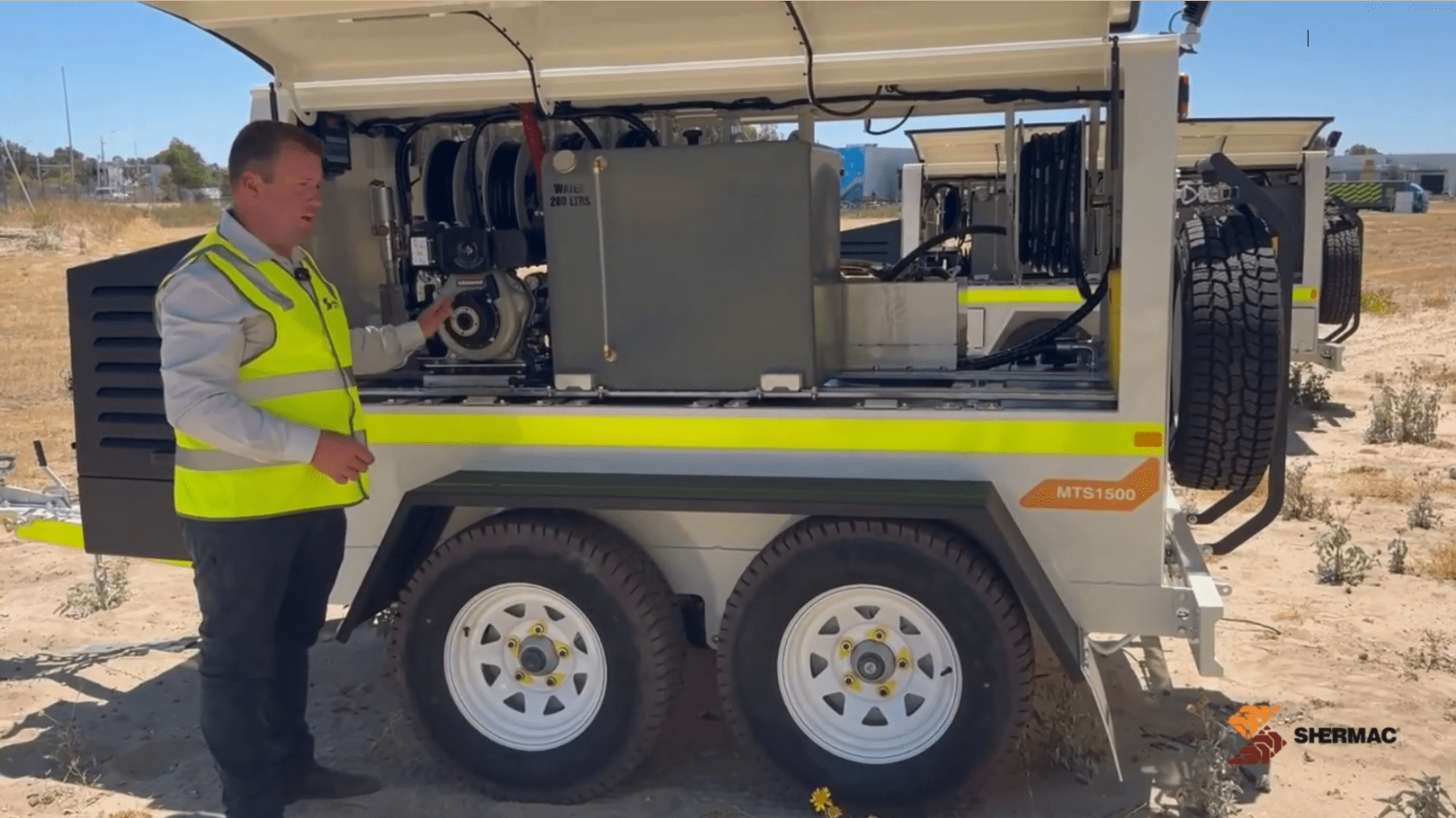
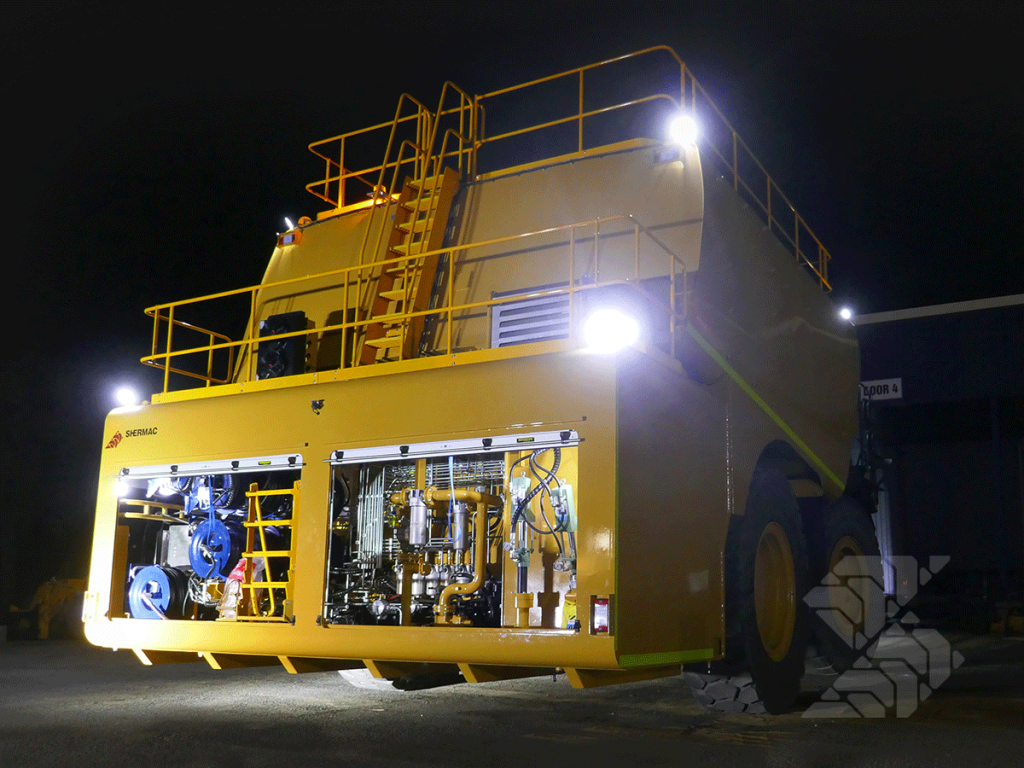
With fully equipped service vehicles, technicians can arrive ready to work with the tools, fluids, hose reels, compressors, and diagnostic equipment needed to identify issues and complete servicing in the field.
Workshop maintenance is often the better choice for larger, more complex repair work that requires fixed infrastructure, specialist tooling, or controlled working conditions.
Workshop servicing is commonly used for:
For this type of work, workshop facilities provide the space, equipment, and specialised resources needed to complete repairs safely and thoroughly.
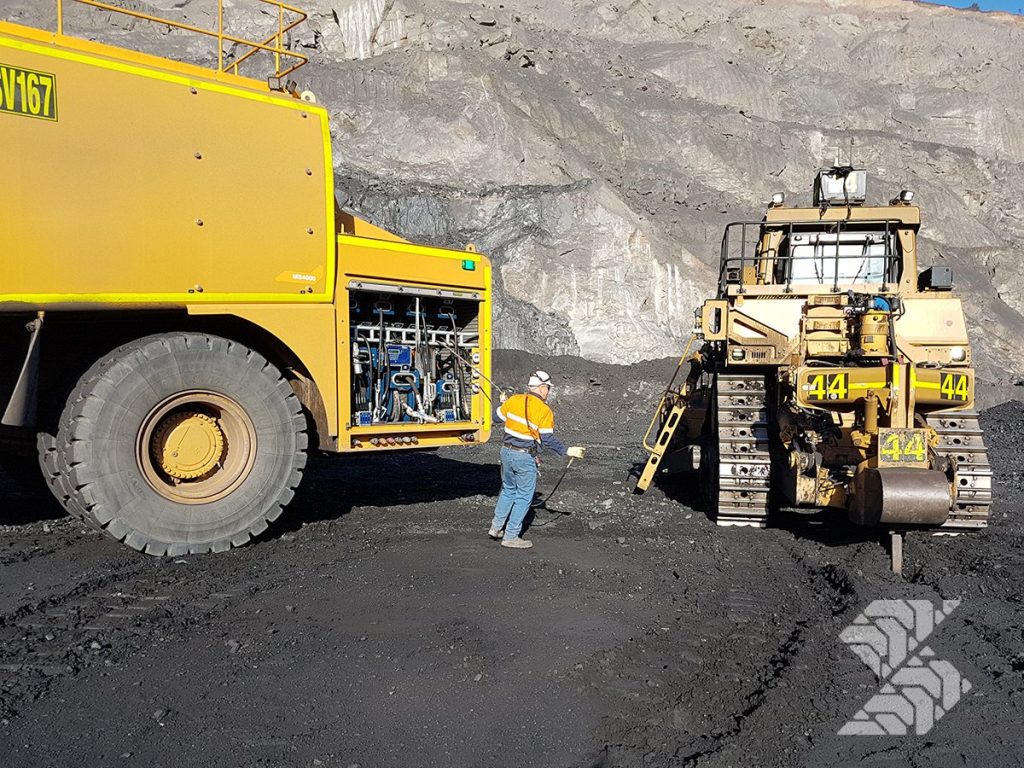
Field service maintenance only works properly when technicians arrive with the right equipment, storage, and servicing capability already built into the vehicle. Improvised setups often create unnecessary delays, poor workflow, limited servicing capacity, and added safety risks on site.
That is why purpose-built service vehicles have become such a critical part of modern mining and civil maintenance operations.
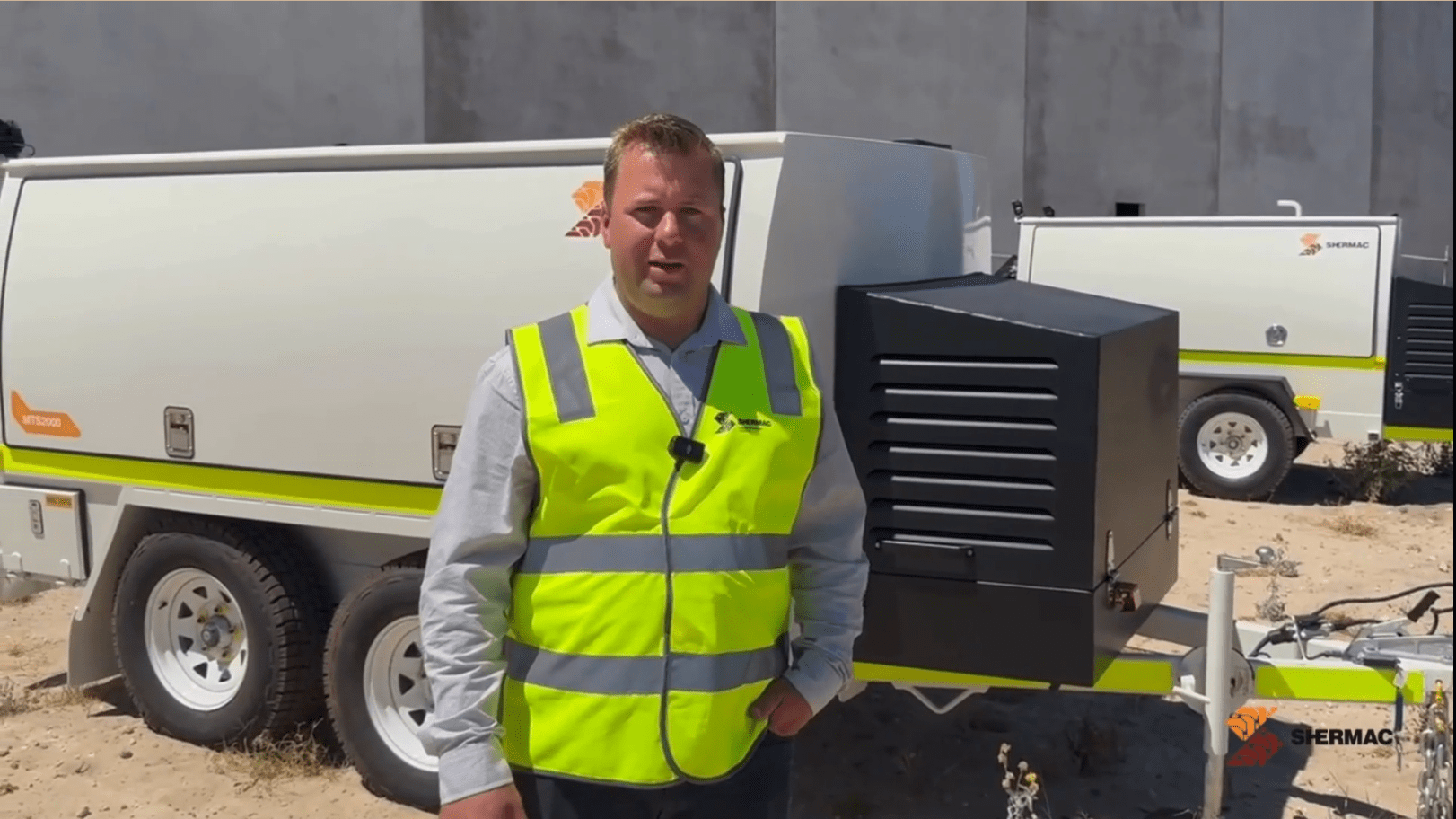
Shermac’s mine-spec service trucks are engineered specifically for field servicing heavy equipment in remote Australian conditions. Rather than adapting a generic truck after purchase, every Shermac build is designed around how your field service technicians actually work on site.
Depending on the configuration, Shermac service trucks can include:
This level of integration allows field service technicians to complete more equipment maintenance and equipment repair work directly at the job site without relying on temporary setups or constant workshop support.
The most efficient maintenance strategy depends on your equipment, your site conditions, and the type of servicing your operation handles day to day.
Shermac designs and manufactures mine-spec service trucks built around real maintenance workflows, site requirements, and operational demands. Whether you need a fully customised build or a proven service truck configuration, our engineering team will work with you to develop a solution that fits your operation properly.
Talk to the Shermac team about your field service requirements and explore a service vehicle built for the way your crews work.
Talk to our well-trained and knowledgeable team to find out more about our customisation process and how we can help you.
Call our team on 1300 799 943 or email sales@shermac.com.au with your inquiry.