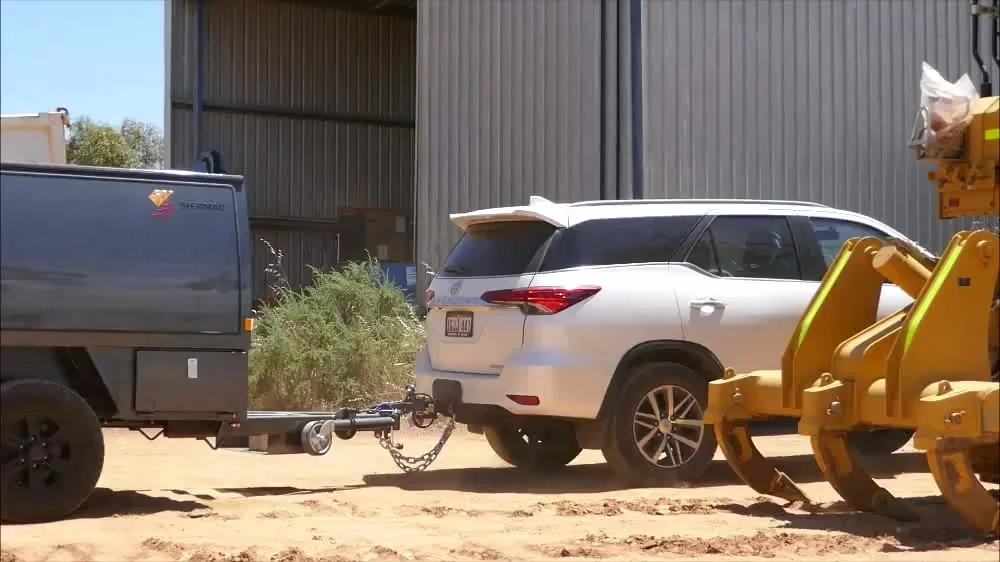
Machinery downtime is part of running any mining or civil operation. Planned downtime for maintenance is expected and usually built into the schedule. It’s managed, accounted for, and necessary to keep equipment running properly.
The real impact comes from unplanned downtime. When a machine stops without warning, everything around it is affected. Production slows, crews are left waiting, and other equipment can end up idle while the issue is resolved.
On site, time is always under pressure. Every delay matters, especially when it repeats across shifts. Small inefficiencies in how equipment is serviced, refuelled, or maintained can quickly turn into lost hours over the course of a project.
Machinery downtime refers to any period where equipment isn’t operating as intended within your production process. This includes both planned downtime, such as scheduled maintenance, and unplanned downtime caused by equipment failures, delays, or operational issues.
On mining and civil sites, equipment downtime isn’t limited to full breakdowns. It also includes idle time where machines are waiting to be refuelled, serviced, or cleared to return to work. These gaps often go unnoticed but still impact overall equipment effectiveness (OEE) and reduce output across the production line.
Over time, repeated downtime events, even short ones, can disrupt workflows, extend job timelines, and increase pressure on crews and maintenance teams. Understanding where and why downtime occurs is the first step in reducing it.
Machinery downtime goes beyond a machine being offline. It affects how the entire operation performs. When equipment stops, production slows, crews are left waiting, and scheduled work starts to fall behind.
On high-pressure mining and civil sites, that lost time carries a direct cost. Output drops, labour continues, and delays begin to stack up across shifts. What starts as a single downtime event can quickly impact multiple parts of the job.
On many sites, downtime isn’t always a full breakdown. It’s often made up of repeated short delays.
For example, saving just 20 minutes per shift on servicing or refuelling can recover more than 100 hours of productive time across a year. That’s a significant gain in available operating time without adding new equipment.
Over time, these inefficiencies directly impact revenue, scheduling reliability, and overall maintenance management performance.
Machinery downtime is rarely caused by a single issue. On most sites, it comes from a combination of mechanical, operational, and process-related factors that build up over time. Some are unavoidable. Many are not.
Understanding these causes is critical if you want to reduce downtime in a practical way.
Heavy use in harsh conditions leads to wear on pumps, hoses, hydraulics, and structural components. When equipment is not built for these conditions, failures happen more often and repairs take longer.
Gaps in maintenance schedules, inconsistent servicing, or delayed inspections increase the risk of breakdowns. Preventive maintenance only works when it is applied consistently.
Incorrect operation, missed checks, or inconsistent servicing processes can lead to avoidable downtime events, especially across mixed fleets.
Heat, dust, vibration, and corrosive environments accelerate wear and can impact both machinery and support equipment if they are not designed for these conditions.
One of the most overlooked causes of downtime is the time it takes to service equipment. Delays in refuelling, lubrication, or routine maintenance can leave machines waiting longer than necessary, even when they are otherwise operational.
Not all downtime comes from equipment failures. A large portion comes from machines that are fully operational but waiting to be serviced.
On many sites, refuelling, lubrication, and routine maintenance create regular stoppages throughout a shift. These tasks are necessary, but the way they are carried out often slows equipment turnaround more than it should.
Reducing machinery downtime comes down to control. The more consistent your maintenance, servicing, and equipment setup, the less exposure you have to delays and unplanned stoppages.
There is no single fix. It requires a combination of process, planning, and the right equipment on site.
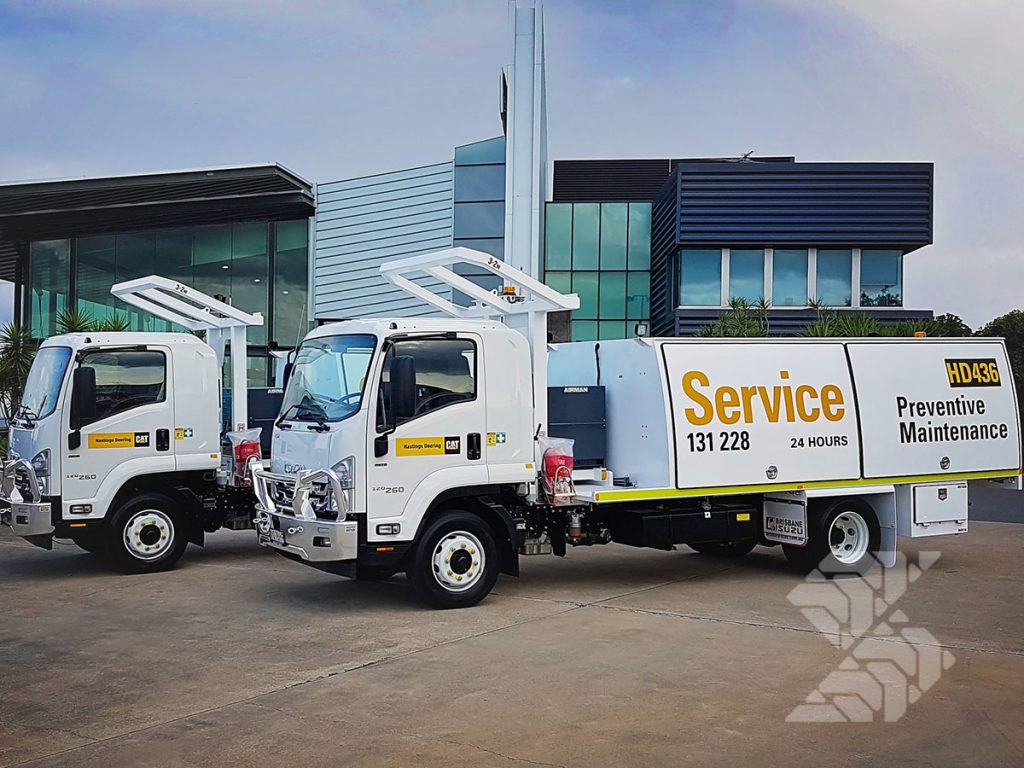
A structured maintenance schedule reduces the likelihood of equipment failures before they happen.
This approach helps reduce unplanned downtime and keeps equipment operating reliably across shifts. For a deeper breakdown of how these strategies compare, read our guide on Preventive vs Predictive Maintenance.
Inconsistent processes can create delays.
Standardisation improves efficiency and makes downtime easier to manage and prevent.
Servicing speed has a direct impact on downtime.
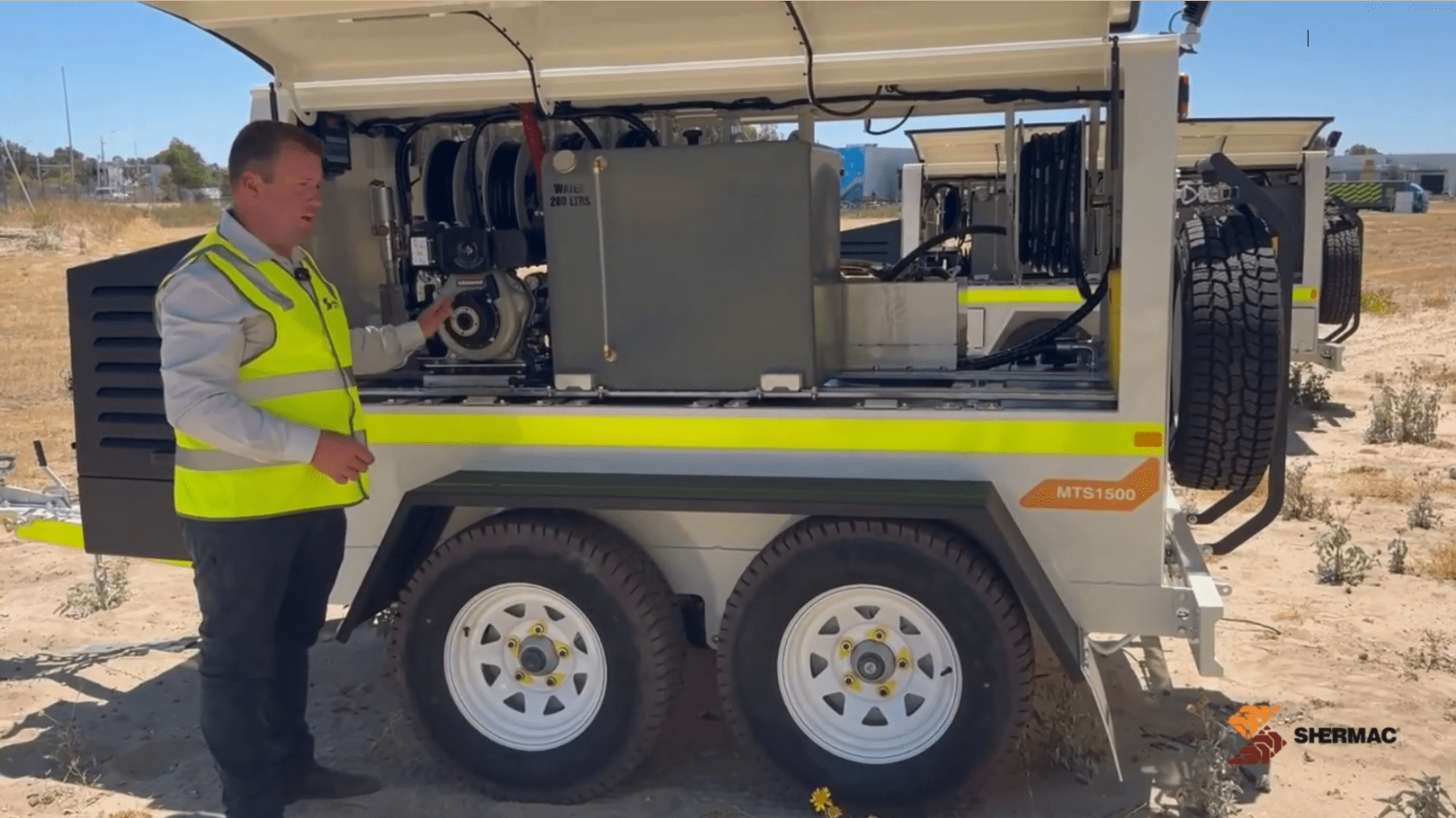
This is where purpose-built service trucks play a key role. When equipment is designed for fast, organised servicing, machines spend less time waiting and more time working.
Equipment that isn’t built for your exact site conditions will fail more often and take longer to service.
Reliable equipment reduces breakdowns, simplifies maintenance, and supports long-term downtime reduction across the fleet.
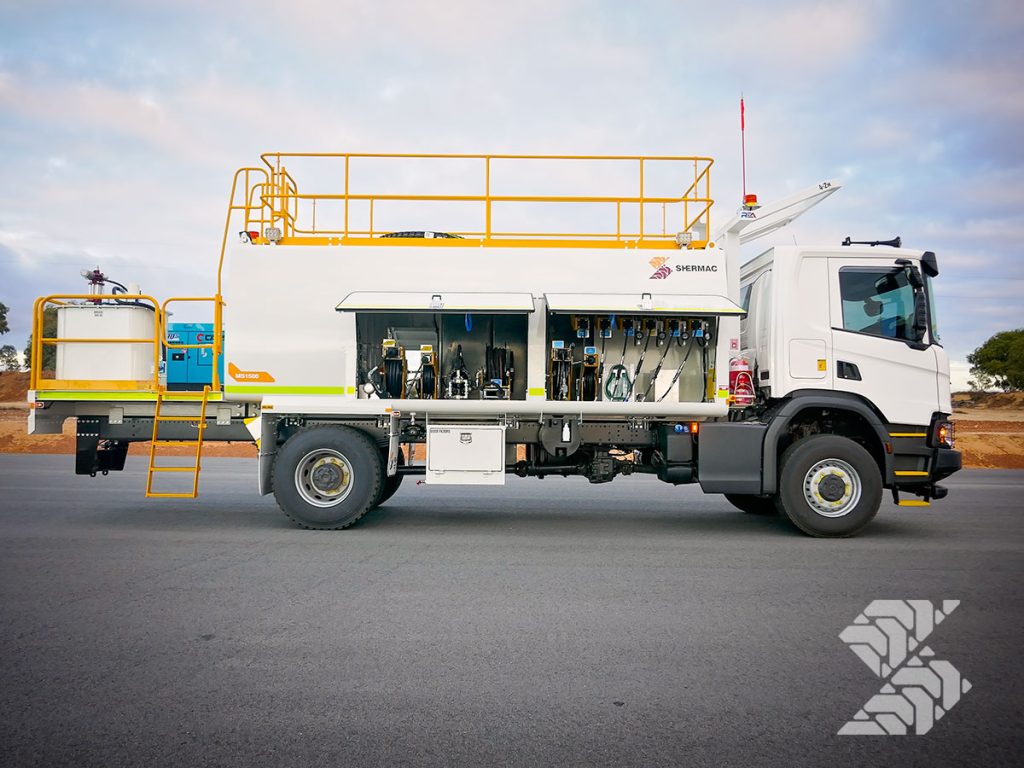
Here at Shermac, reducing machinery downtime starts with how equipment is serviced on site. If servicing is slow, inconsistent, or difficult to carry out, downtime becomes part of the daily workflow.
That’s why every service vehicle is engineered for purpose.
High-flow diesel systems are designed to reduce the time machines spend off-task during refuelling.
Every Shermac service truck is designed around how your operators work on site.
This improves consistency and reduces the time required for each service.
Downtime is often driven by equipment that cannot handle site conditions.
Fewer failures mean fewer interruptions and less reactive maintenance.
Shermac service vehicles are built to support continuous operations in real site conditions, where delays during servicing can quickly impact productivity.
By combining high-flow systems, efficient layouts, and durable components, each vehicle is designed to reduce time spent on routine servicing tasks and minimise disruption to equipment availability.
Machinery downtime cannot be eliminated, but it can be controlled. The difference comes down to how your equipment is maintained, serviced, and supported on site.
If you’re looking to reduce downtime across your fleet, start with how your servicing is set up. The Shermac team can work through your current processes, site conditions, and equipment requirements to identify where delays occur and how to improve them.
Speak with our team to explore service truck solutions built to keep your operation moving.
Talk to our well-trained and knowledgeable team to find out more about our customisation process and how we can help you.
Call our team on 1300 799 943 or email sales@shermac.com.au with your inquiry.