Oil spills on mining, construction, and civil sites are often associated with static fuel storage. However, many spill risks actually arise during routine field servicing operations.
Service vehicles carry and dispense large volumes of diesel, oils, and other fluids, making their design critical to environmental protection. Understanding where spills occur, how bunding applies to mobile equipment, and what to look for in a purpose-built service vehicle can help reduce risk, improve compliance, and protect site productivity.
When people think about spill containment, they typically think about fuel farms, bulk storage tanks, and other fixed infrastructure. As a result, Australian bunding standards have largely been developed around static storage systems rather than mobile equipment.
Service vehicles operate in a very different environment. They travel across rough terrain, are exposed to constant vibration, and regularly transfer diesel, oils, coolants, and other fluids directly to equipment in the field. Every servicing task creates multiple connection points where leaks or spills can occur.
This creates a unique challenge for fleet operators. While static tanks remain in a controlled location, service vehicles must safely transport, store, dispense, and recover fluids across constantly changing site conditions.
Importantly, the greatest spill risk isn’t usually the storage tank itself. In most cases, spills are more likely to occur during fluid transfer and servicing activities. That’s why effective spill prevention relies on more than tank design alone. It requires careful consideration of pumps, hoses, filters, waste oil systems, and containment measures throughout the vehicle.
Pumps are responsible for moving diesel, oils, coolants, and other fluids throughout the vehicle. As high-use mechanical components, they are subject to wear over time. Damaged seals, fittings, or pump failures can result in leaks if not properly contained.
Hoses and reels are regularly exposed to vibration, harsh weather, abrasion, and frequent handling. Connections can loosen, fittings can wear, and hoses can become damaged during normal operations. Because these components are directly involved in fluid transfer, even minor failures can lead to spills.
Servicing activities often involve changing filters and collecting used oils. If these materials are not managed correctly, residual oil can drain onto the ground long after the servicing task is complete. Waste oil handling systems play a critical role in preventing contamination and maintaining a clean work area.
Effective spill prevention requires a practical understanding of where spills are most likely to occur and engineering the vehicle accordingly.
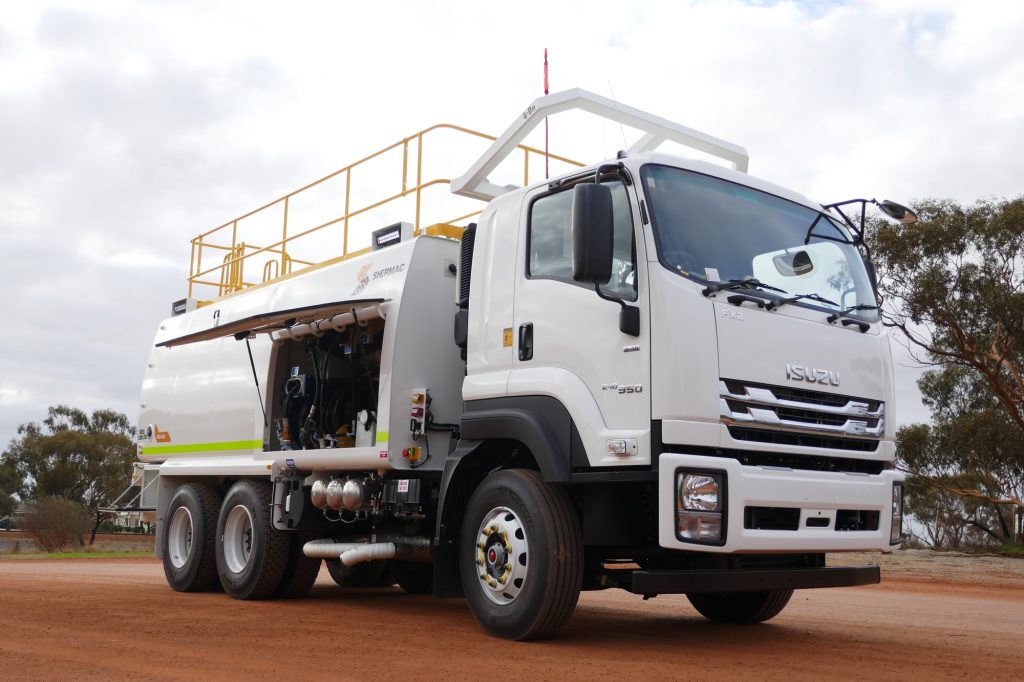
Purpose-built service vehicles are designed with containment, fluid management, and operator usability in mind. Rather than focusing solely on storage tanks, they incorporate systems that help reduce risk throughout the servicing process.
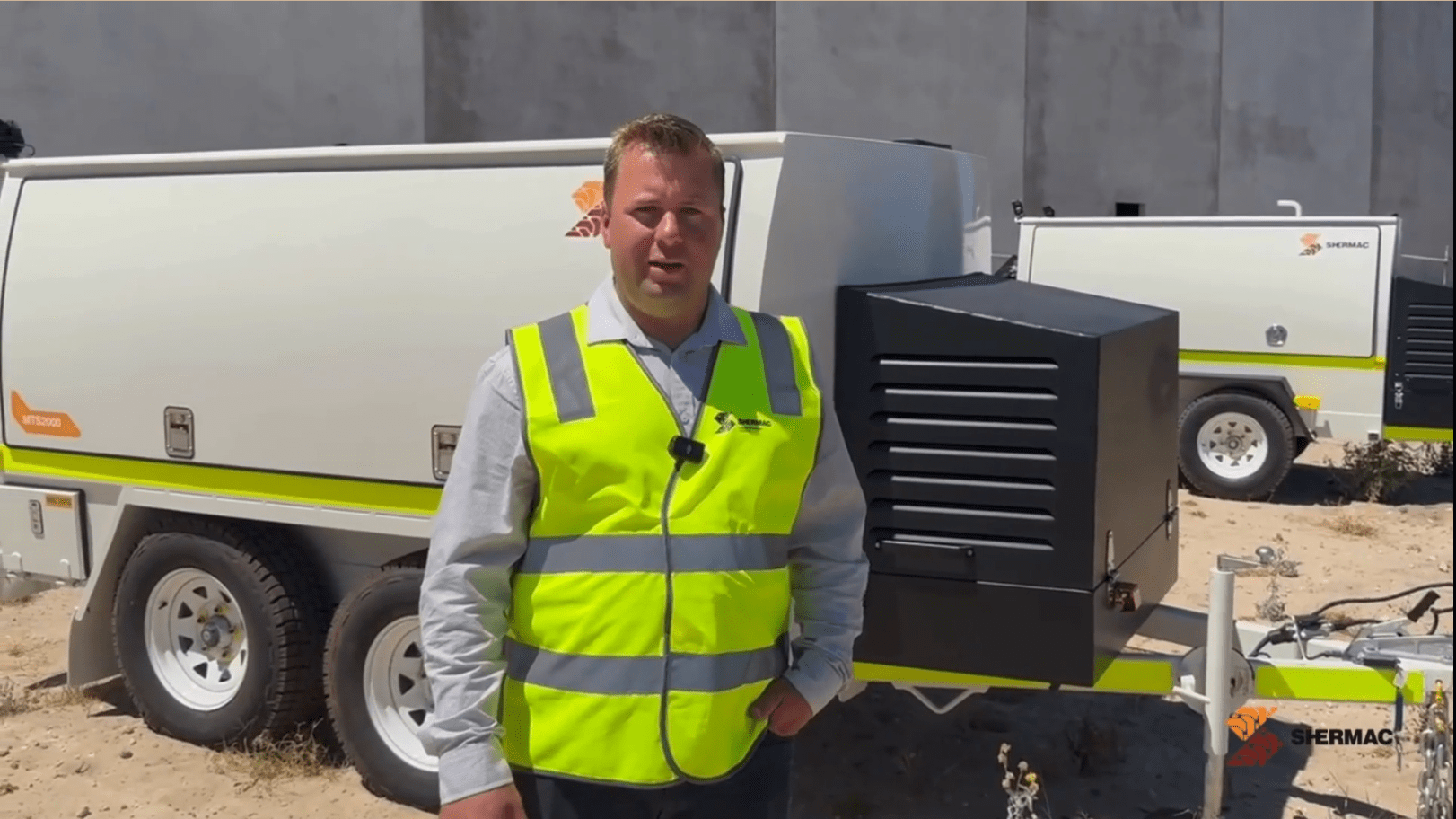
In smaller service vehicles and service trailers, individual storage tanks can be housed within a chassis-mounted collective bund. At Shermac, these bunds are designed with a capacity equal to 110% of the largest single tank, providing containment in the unlikely event of a tank failure.
This approach offers an effective balance between environmental protection, vehicle weight, and operational practicality.
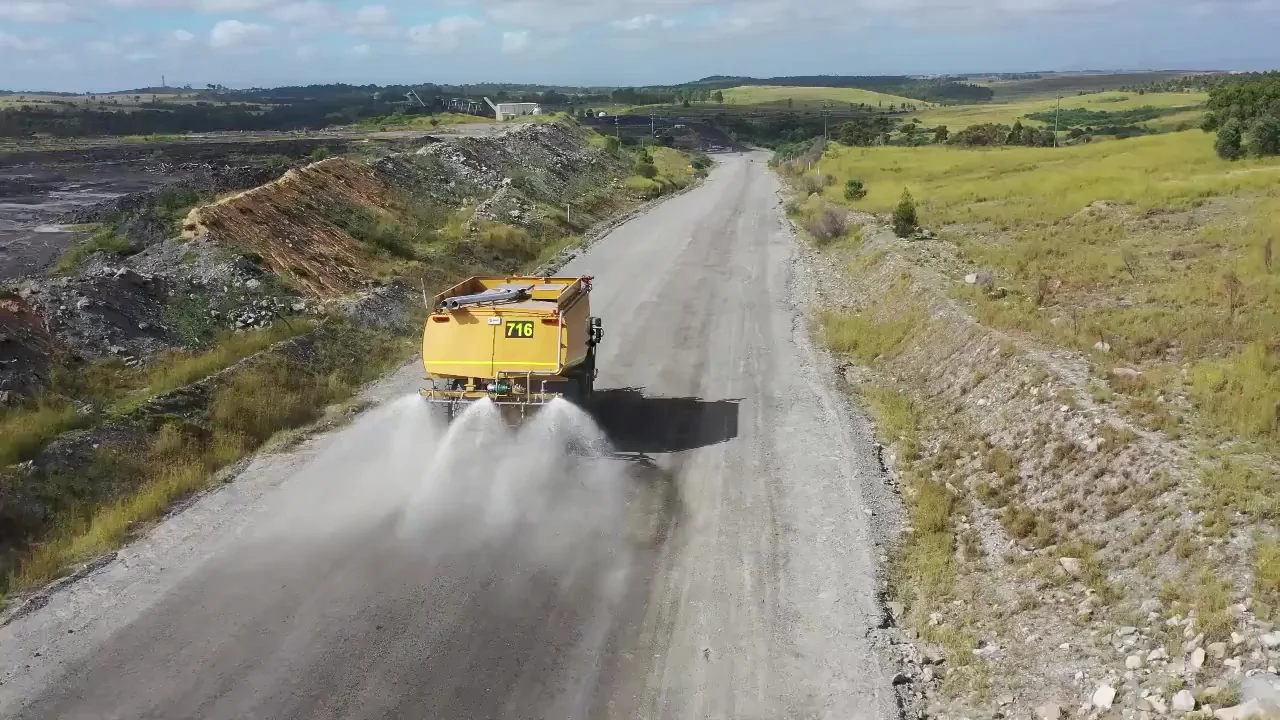
The same approach isn’t always practical on larger mining service vehicles. Many units carry between 15,000L and 20,000L of diesel fuel, and providing a bund with a capacity equal to 110% of the largest tank would significantly increase the vehicle’s empty weight.
In some cases, this could reduce fuel carrying capacity by as much as 50%, limiting the vehicle’s operational effectiveness and increasing the number of refuelling trips required on site.
Because storage tank failures are relatively uncommon, a more practical approach is to focus containment around the components that present the highest spill risk.
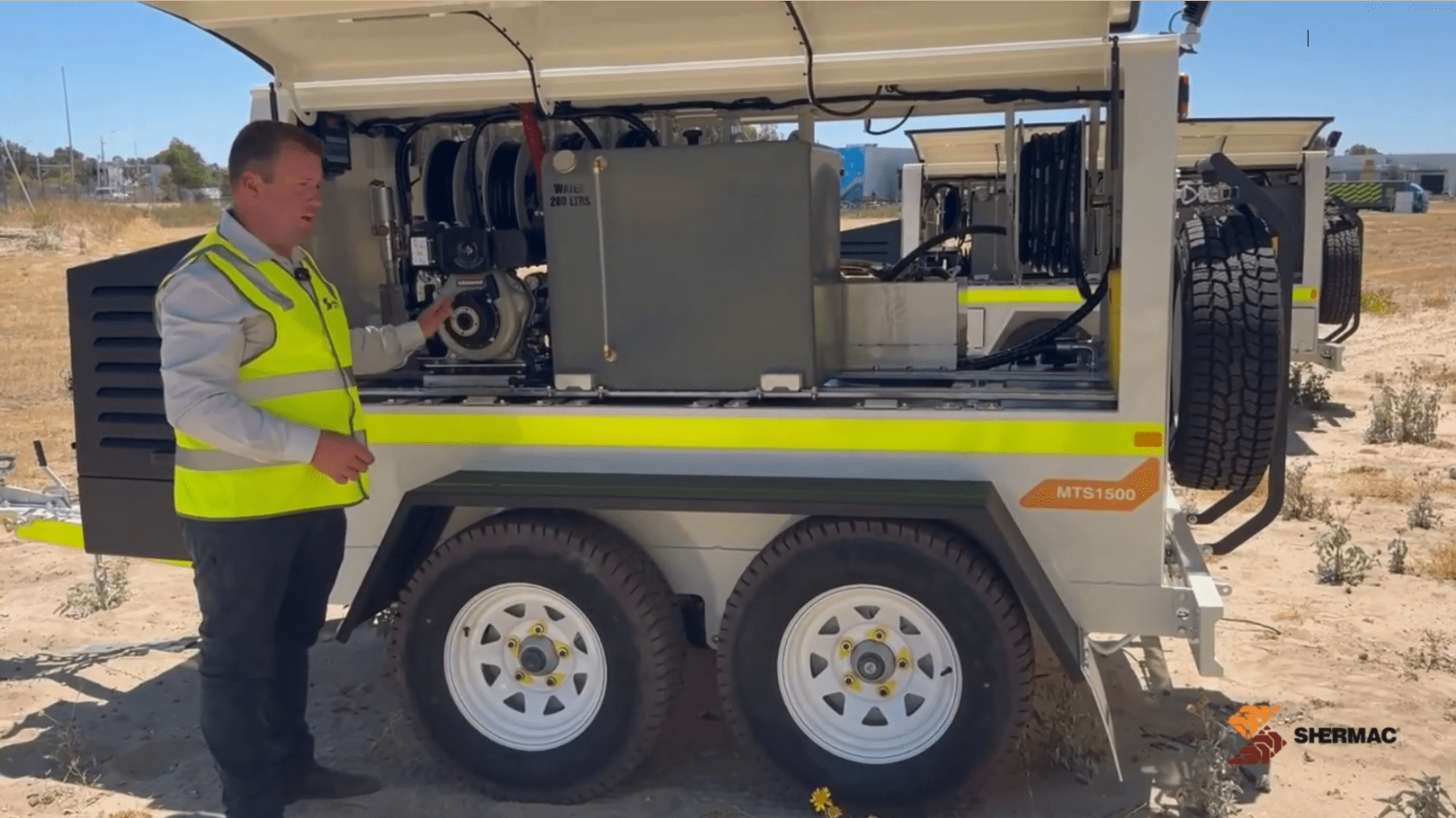
Rather than attempting to fully bund large storage tanks, purpose-built service vehicles often incorporate bunded pump and reel compartments where fluid transfer activities take place.
At Shermac, these compartments typically provide approximately 1,000L of containment capacity, helping capture potential leaks caused by pump, hose, reel, or fitting failures. By concentrating containment where spills are most likely to occur, operators can achieve a higher level of environmental protection without compromising vehicle performance.
Used filters can continue draining oil long after a servicing task has been completed. Without proper containment, this residual oil can easily find its way onto the ground.
To help manage this risk, Shermac service vehicles and trailers include dedicated filter bins that allow used filters to drain directly into the waste oil tank. This keeps servicing areas cleaner, improves waste management practices, and further reduces the likelihood of environmental contamination.
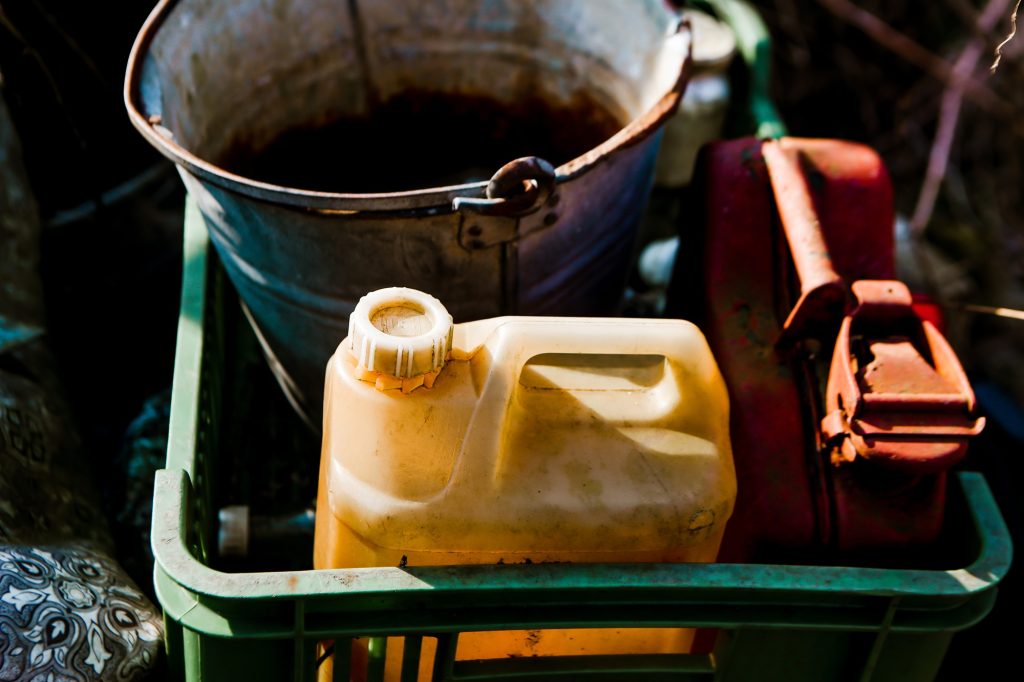
Not every maintenance task is performed using a purpose-built service vehicle. On construction sites, civil projects, and remote worksites, equipment is sometimes serviced using drums, funnels, collection trays, and other improvised methods.
While these approaches may appear convenient, they introduce significantly more opportunities for spills and contamination.
Unlike purpose-built service vehicles, improvised servicing setups often lack integrated containment systems, dedicated waste oil collection, and controlled fluid delivery equipment. This increases reliance on manual handling and creates more opportunities for leaks, overflows, and operator error.
Common risks associated with improvised servicing methods include:
Even relatively small spills can have significant consequences on active mining, construction, and civil sites. Environmental incidents can result in costly clean-up activities, project disruptions, regulatory scrutiny, and reputational damage.
Purpose-built service vehicles help reduce these risks by providing controlled fluid delivery, integrated waste collection systems, and engineered containment measures that support safer, cleaner servicing practices.
Reducing the risk of oil spills starts with understanding where spills are most likely to occur and choosing equipment designed to manage those risks effectively.
If you’re evaluating service vehicles for your fleet, speak with the Shermac team. We can help you identify the right configuration for your site, operational requirements, and environmental objectives.
Explore our range of mine-spec service trucks or contact our team to discuss a custom-engineered solution.
Talk to our well-trained and knowledgeable team to find out more about our customisation process and how we can help you.
Call our team on 1300 799 943 or email sales@shermac.com.au with your inquiry.