On mining and civil sites, service vehicles are constantly in motion. They support critical equipment, respond to breakdowns, and keep operations running across large and often remote environments. The people operating these vehicles play a direct role in maintaining uptime, safety and productivity.
Yet the design of a service vehicle can either support the operator or work against them. Small engineering decisions influence how efficiently tasks are completed, how safely equipment is accessed, and how consistently performance is maintained across long shifts.
Understanding what operator ergonomics really means, and how it shapes day-to-day performance, is the first step toward building safer, more capable heavy equipment support vehicles.
Operator ergonomics in heavy equipment refers to how a vehicle is designed to support the physical demands of daily servicing tasks. In mine-spec service trucks, operators spend extended hours driving between locations, accessing compartments, handling equipment and completing repetitive maintenance activities.
Practical ergonomics focuses on key design elements:
When these elements are poorly considered, risk increases and performance suffers.
In heavy equipment servicing, small inefficiencies compound over time. Operators repeat the same movements across long shifts in mining and remote conditions. They open and close compartments, handle hoses, access tools and move between ground level and the service deck.
When vehicle design does not support these tasks, operators are exposed to:
Across extended shifts, the body’s ability to reduce strain diminishes. Fatigue increases. Focus declines. In high-risk environments, that combination directly impacts safety, servicing accuracy and overall site performance.
At Shermac, operator ergonomics is engineered into every service vehicle from the initial design stage. Each build is shaped around real servicing conditions on mining and civil sites, where operators repeat tasks throughout long shifts in demanding environments.
Below are several examples of how this approach is applied across our mine-spec service trucks.
Service vehicle doors are opened and closed dozens of times per shift. In traditional builds, steel doors combined with gas struts require force to close, especially after repeated use.
That repetitive motion increases operator fatigue over time.
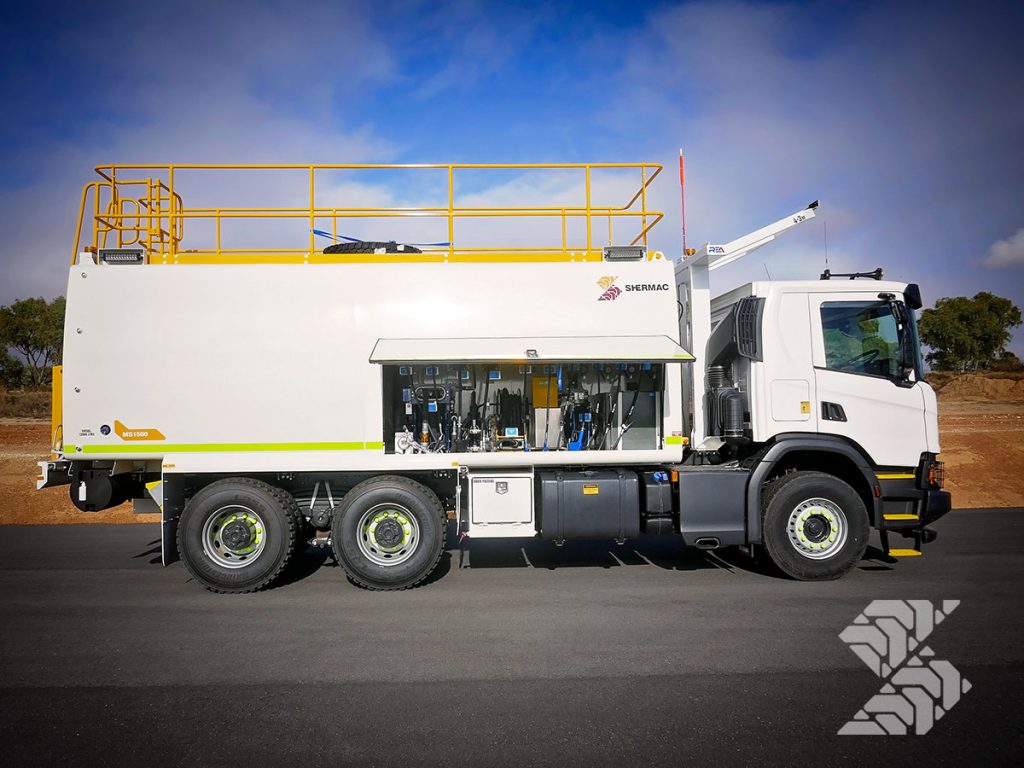
Shermac manufactures service doors from lightweight aluminium, reducing weight by approximately 66 percent compared to steel alternatives. The benefit is practical:
A simple material change, engineered for long-term usability in harsh conditions.
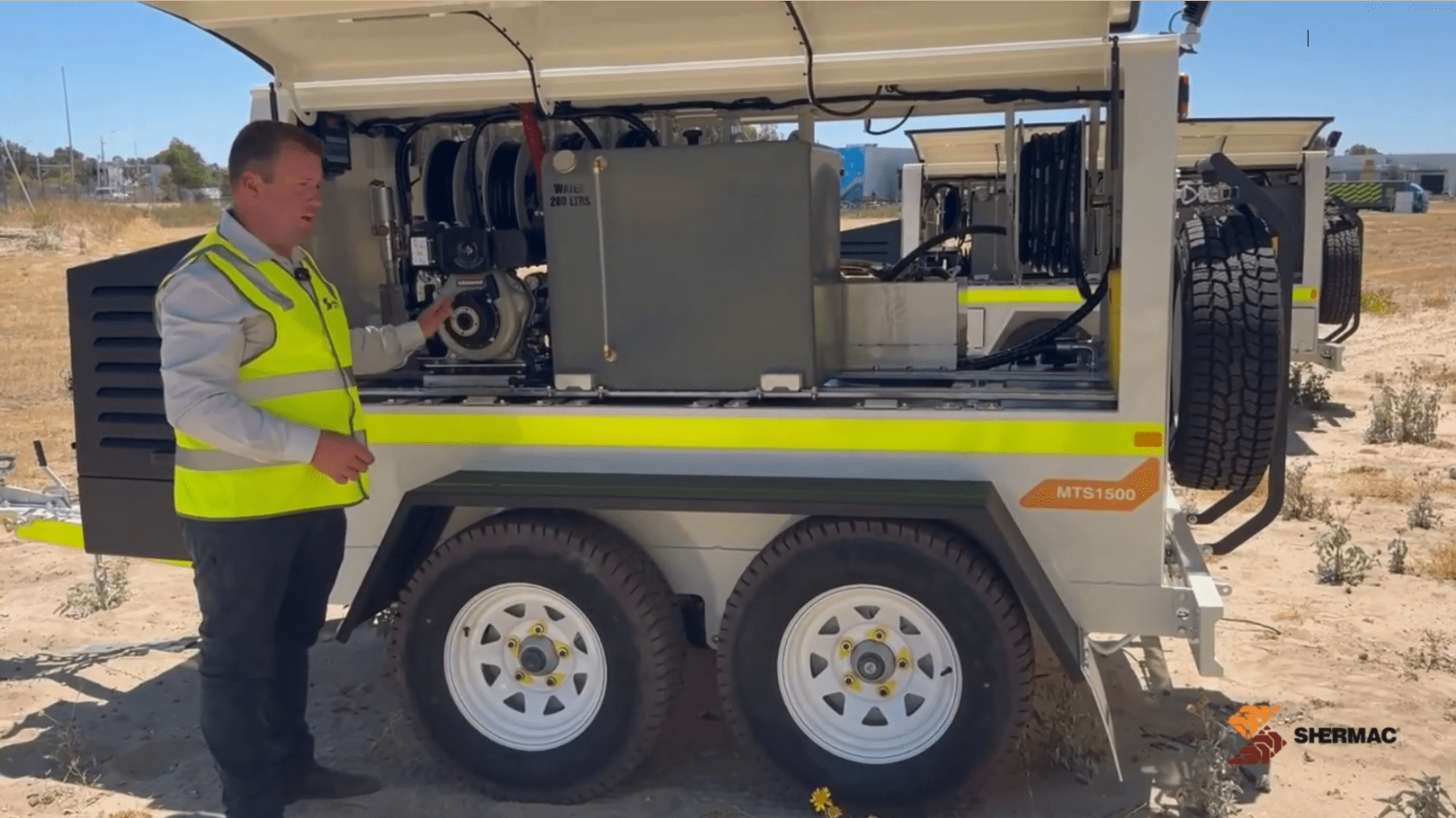
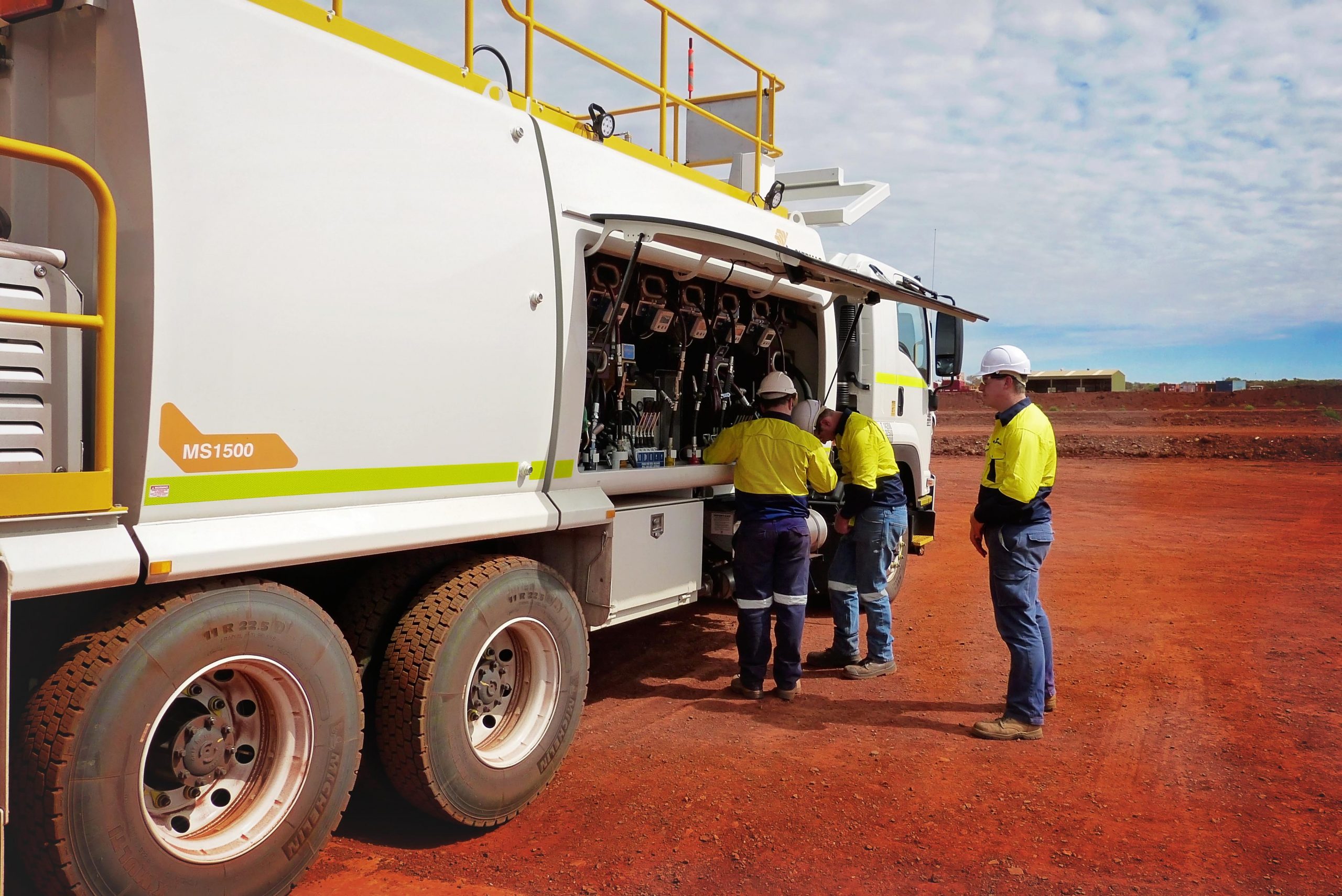
In many service trucks, pumps and filters are positioned behind hose reels. Operators must reach into confined spaces to complete routine maintenance.
That layout creates:
Shermac separates pumps and filters from hose reel assemblies and positions them on the opposite side of the truck. This redesign delivers:
Operators can complete routine checks and maintenance in a more natural working position.
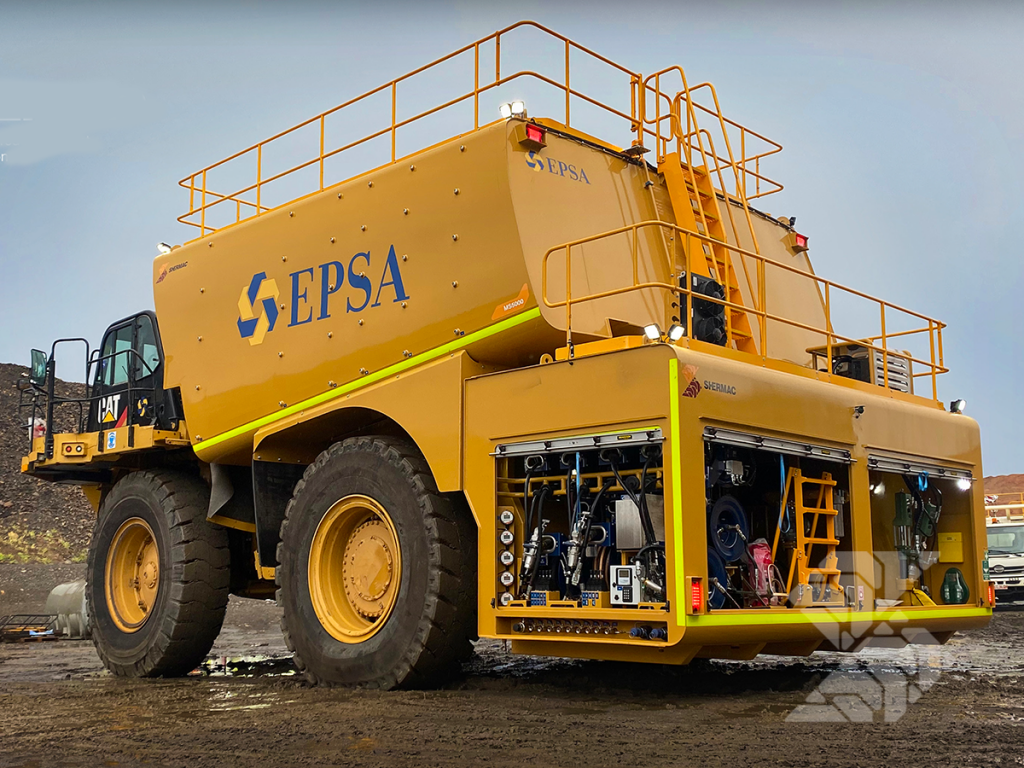
Fold-down steps require repeated handling and introduce additional movement at every stop. In dusty or uneven site conditions, entry and exit risks increase.
Shermac incorporates a permanent walk-in access configuration designed to support safer access to the service deck.
This approach provides:
The result is consistent, controlled deck access throughout long shifts on remote sites.
Mining and civil environments introduce additional physical stress that directly affects operator ergonomics. Key environmental factors include:
Mine-spec vehicles must be engineered to manage these conditions through durable construction, effective sealing and well-designed enclosed compartments.
Grease systems are essential for maintaining heavy equipment, but they operate under extremely high pressure. If a grease nipple becomes blocked, pressure can build in the line, increasing the risk of injection injuries when disconnecting the gun.
Shermac offers an optional remote-controlled grease pressure release system that allows operators to safely relieve line pressure before disconnection. This design eliminates unnecessary exposure to high-pressure hazards and reduces the risk of serious injury.
By engineering risk out of routine servicing tasks, operators are better protected, unplanned incidents are reduced, and downtime linked to injury or equipment damage is minimised. It also supports site WHS expectations around safe servicing practices.
Operator ergonomics directly affects how safely and efficiently your team can service equipment. When vehicles are engineered around real site conditions, tasks are completed with less strain and fewer delays.
Shermac mine-spec service trucks are designed to meet strict site requirements while supporting practical, operator-focused layouts. Every Shermac build follows ISO9001:2015 quality processes and is engineered for durability in harsh Australian conditions.
If you are reviewing your fleet or planning a new service vehicle, speak with our team.
Talk to our well-trained and knowledgeable team to find out more about our customisation process and how we can help you.
Call our team on 1300 799 943 or email [email protected] with your inquiry.