Every operation feels the cost of maintenance decisions.
Push equipment too hard, and you risk failures that stall production and stretch crews. Service too often, and you lose availability to planned downtime that may not have been necessary. Either way, the impact shows up in uptime, budget and pressure on your team.
Maintenance will always be a given. However, the real decision is how you manage it without compromising reliability or overspending.
That is where the conversation around preventive vs predictive maintenance becomes important.
At a glance, both strategies aim to prevent breakdowns. The difference lies in how maintenance timing is determined and how machine downtime is controlled.
Preventive maintenance follows a fixed schedule.
Servicing is triggered by:
Downtime is planned in advance. Assets are removed from service at set intervals, regardless of their current condition.
This approach is structured and predictable. It works on the assumption that components wear at a consistent rate and should be replaced before failure occurs
Predictive maintenance is driven by asset condition rather than a fixed schedule.
Intervention is triggered by:
The asset remains in operation until measurable indicators suggest deterioration. Downtime is scheduled based on early warning signs, not the calendar.
This shifts maintenance decisions from estimated wear patterns to actual performance data.
Consider a light vehicle operating across a remote mine site.
Under a preventive maintenance strategy, the timing belt is replaced at 100,000 km as specified by the manufacturer. The vehicle is booked in, taken offline, and the component is replaced regardless of visible wear.
Under a predictive maintenance approach, belt condition may be monitored through inspection data or related engine performance indicators. Replacement is scheduled when measurable degradation appears, potentially extending usable life while still avoiding failure.
In both cases, the goal is to prevent a breakdown. The difference lies in whether the decision is driven by interval or evidence.
The real financial difference between maintenance strategies isn’t the ‘service’ itself. But more so, what happens when the timing is wrong?
Even if the component still had usable life, the cost exposure is contained.
In mining and civil environments, the delay often exceeds the repair time itself.
Consider a service vehicle or LV component:
The gap between three hours and twelve hours is lost output, contractor rescheduling and pressure on the entire fleet.
Preventive and predictive strategies both aim to reduce the likelihood of unplanned failure. The difference is how precisely you control the timing.
The maintenance strategy you adopt influences how assets perform across their full operating life.
Preventive maintenance supports lifespan by:
Predictive maintenance supports lifespan by:
Well-timed maintenance improves site safety outcomes.
Maintenance discipline influences daily operational rhythm.
Over time, these factors contribute to stronger fleet performance and more consistent availability across site.
Preventive maintenance remains practical and effective in many fleet environments.
Assets with known service intervals benefit from structured replacement cycles.
When failure patterns are consistent, interval-based servicing supports reliability.
Certain systems require documented inspection regardless of condition data.
Structured servicing supports audit readiness and site compliance.
Large fleets of similar assets are easier to manage under repeatable service schedules.
Consistent intervals simplify planning, parts staging and labour allocation.
Preventive maintenance provides structure. In the right applications, that structure delivers stable and predictable performance.
Predictive maintenance delivers a stronger return when asset failure carries high operational consequences.
For equipment with significant capital value, extending component life while avoiding failure improves lifecycle efficiency.
Condition monitoring supports targeted intervention and protects asset integrity.
Assets that directly influence production sequencing require tighter control.
Reducing unexpected stoppages in these assets protects overall site availability.
Predictive maintenance is only as strong as the data behind it.
Effective condition monitoring depends on:
Condition monitoring supports better decisions when data integrity and field execution are aligned.
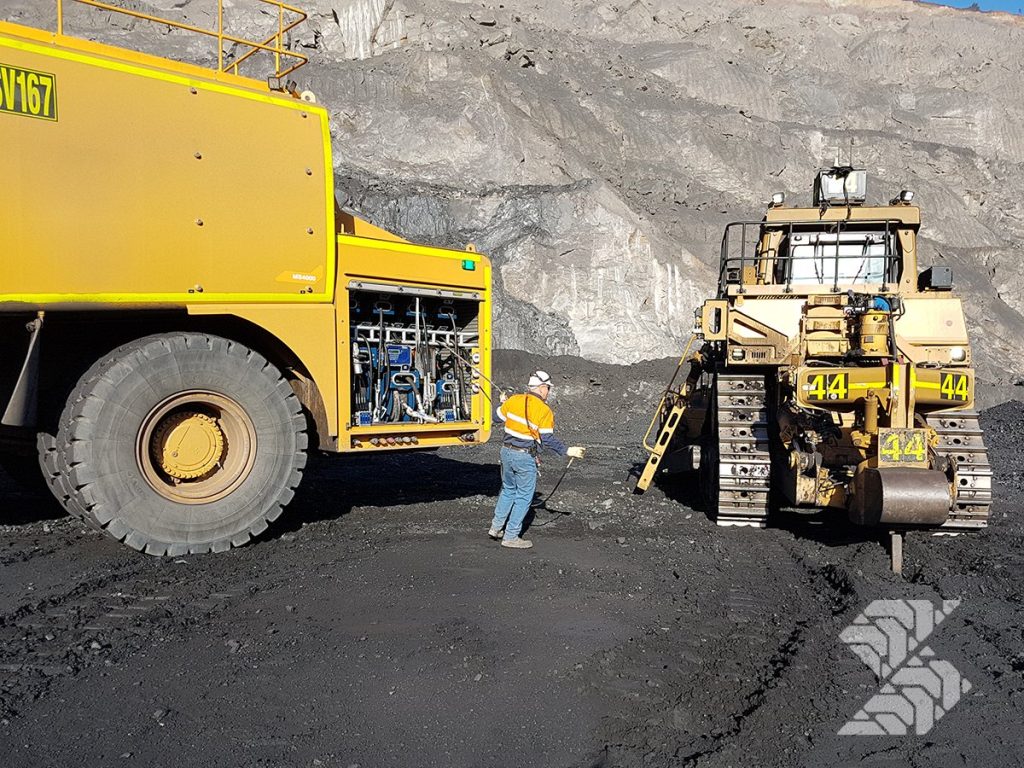
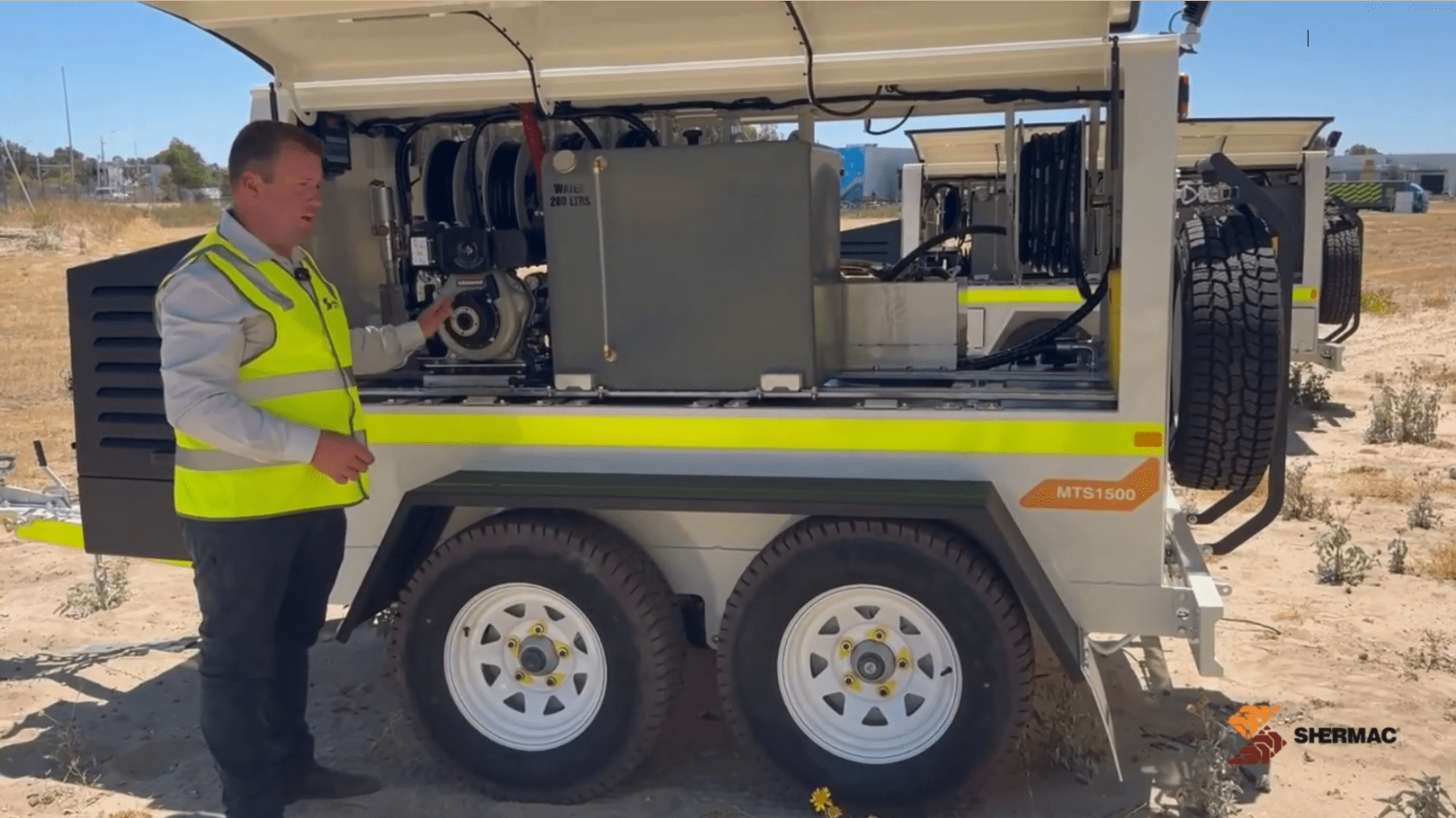
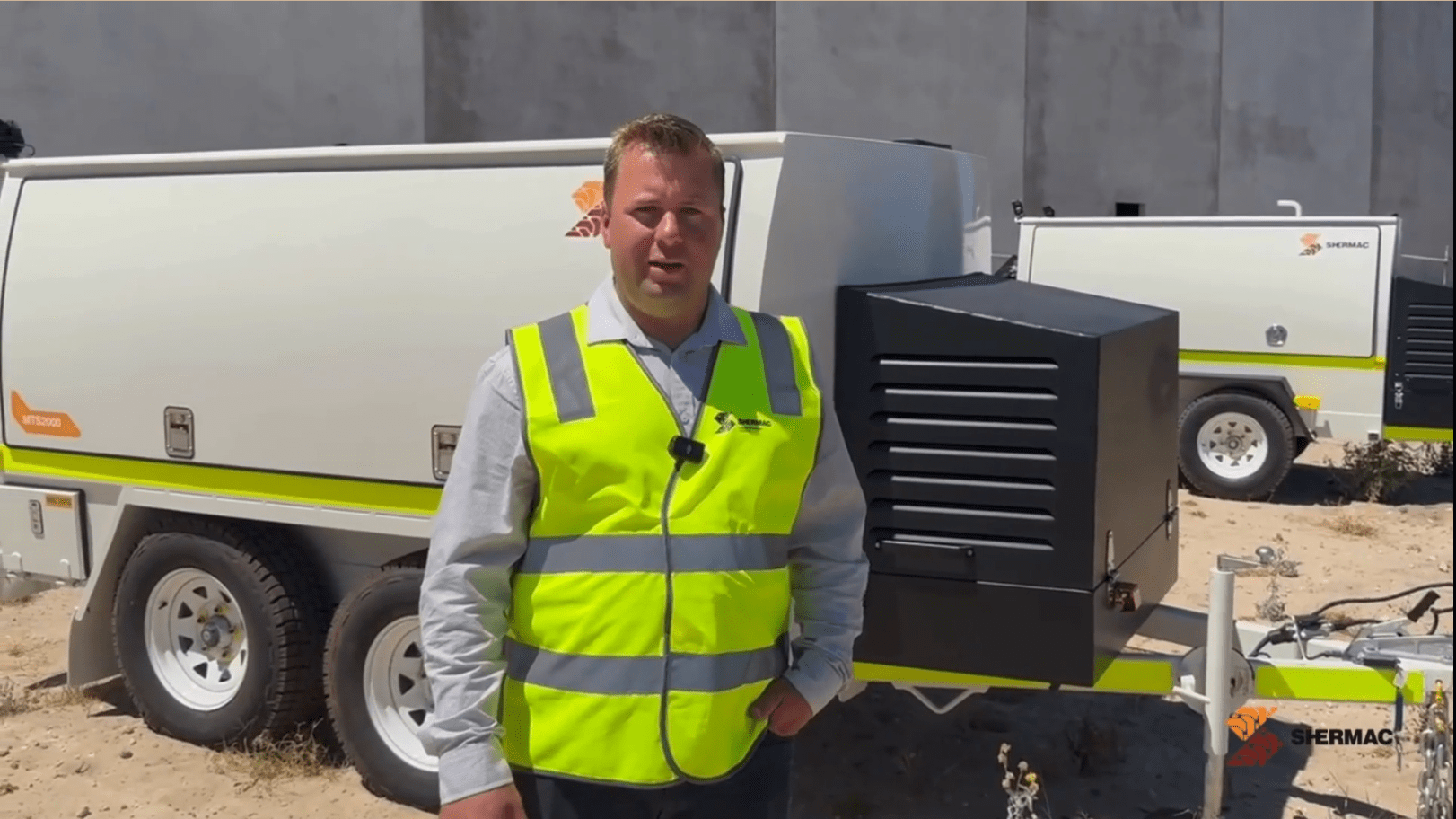
At Shermac, we see firsthand how maintenance strategy plays out on site. Even the best preventive or predictive plan depends on how efficiently servicing can be executed in the field.
Engineered-for-purpose service vehicles reduce time lost during intervention.
When servicing is streamlined, downtime is shorter and more predictable.
Inspection accuracy improves when technicians can work safely and confidently.
Good access supports better decisions, whether following fixed intervals or responding to condition data.
High-flow diesel systems reduce refuelling duration. Proper filtration and sealed storage reduce contamination risk. Over time, this supports longer component life and more reliable condition monitoring.
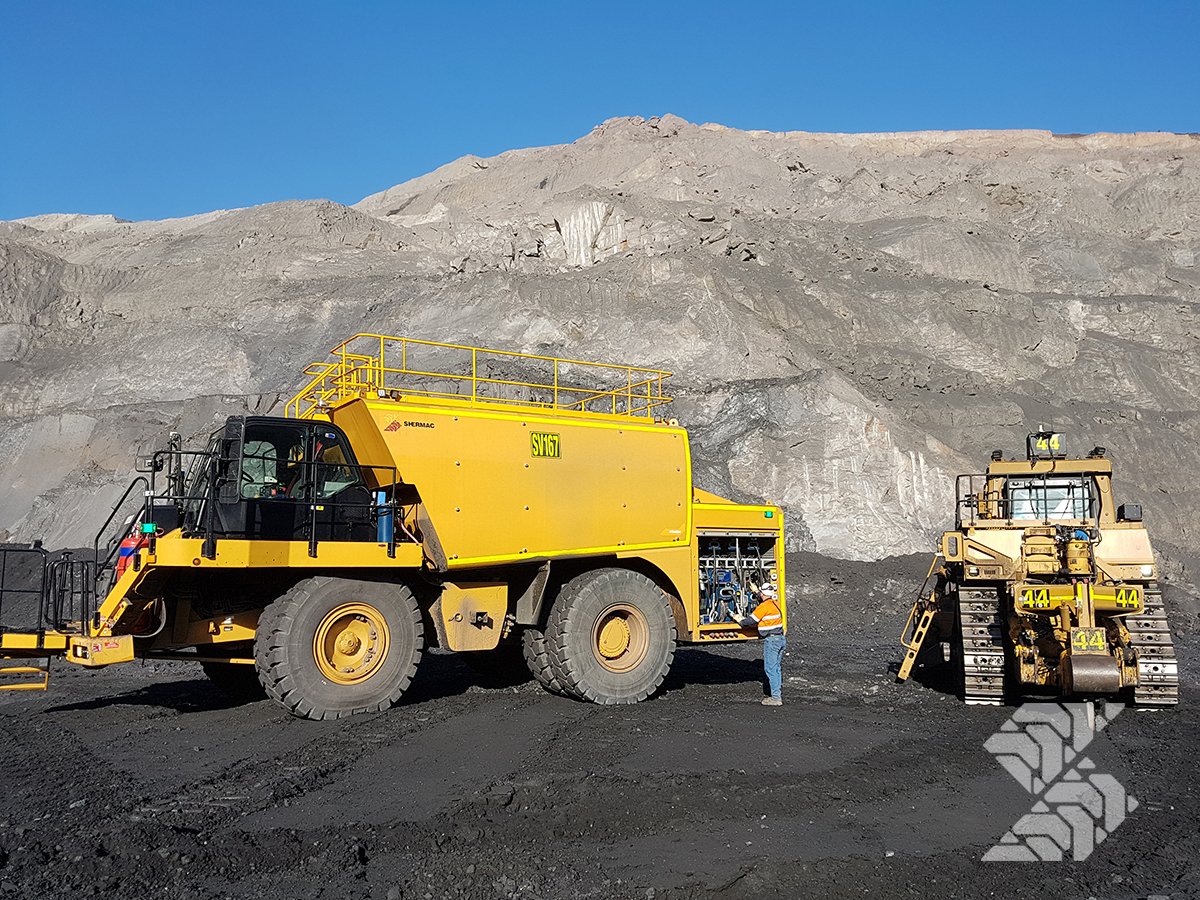
Reliable, mine-spec mobile support ensures both preventive and predictive strategies can be executed quickly and consistently. When servicing capability matches maintenance intent, uptime improves across the fleet lifecycle.
Preventive and predictive maintenance both aim to protect uptime. The real advantage comes when your team can execute either approach efficiently and confidently on site.
Shermac’s engineered-for-purpose, mine-spec service trucks are built around real mining and civil maintenance demands. They support consistent execution, reduce intervention time and help protect fleet availability across the asset lifecycle.
Enquire now and take the next step toward more reliable fleet performance.
Talk to our well-trained and knowledgeable team to find out more about our customisation process and how we can help you.
Call our team on 1300 799 943 or email [email protected] with your inquiry.