When purchasing a new service vehicle, filtration systems are often overlooked in favour of tank capacity, storage layout, or pump performance. But in mining and heavy equipment operations, fluid cleanliness directly impacts fleet reliability, servicing quality, and long-term operating costs.
A poorly designed or poorly maintained filtration system can create serious operational problems over time. That’s why filtration should be considered a critical part of any mine-spec service vehicle purchase decision.
Modern mining and civil equipment relies on clean diesel, oils, coolants, and hydraulic fluids to operate reliably under heavy loads and harsh site conditions. Today’s engines and hydraulic systems are built with tighter tolerances than ever before, meaning even small levels of contamination can accelerate wear and reduce component life. This is something you don’t want to be responsible for.
Dust, grit, water, and microscopic metal particles can enter fluid systems during storage, transfer, or servicing. Once contamination reaches critical components such as injectors, pumps, valves, or hydraulic systems, the result can be reduced performance, premature failures, and unplanned downtime.
In high-production environments, these failures quickly impact servicing schedules, fleet availability, and site productivity.
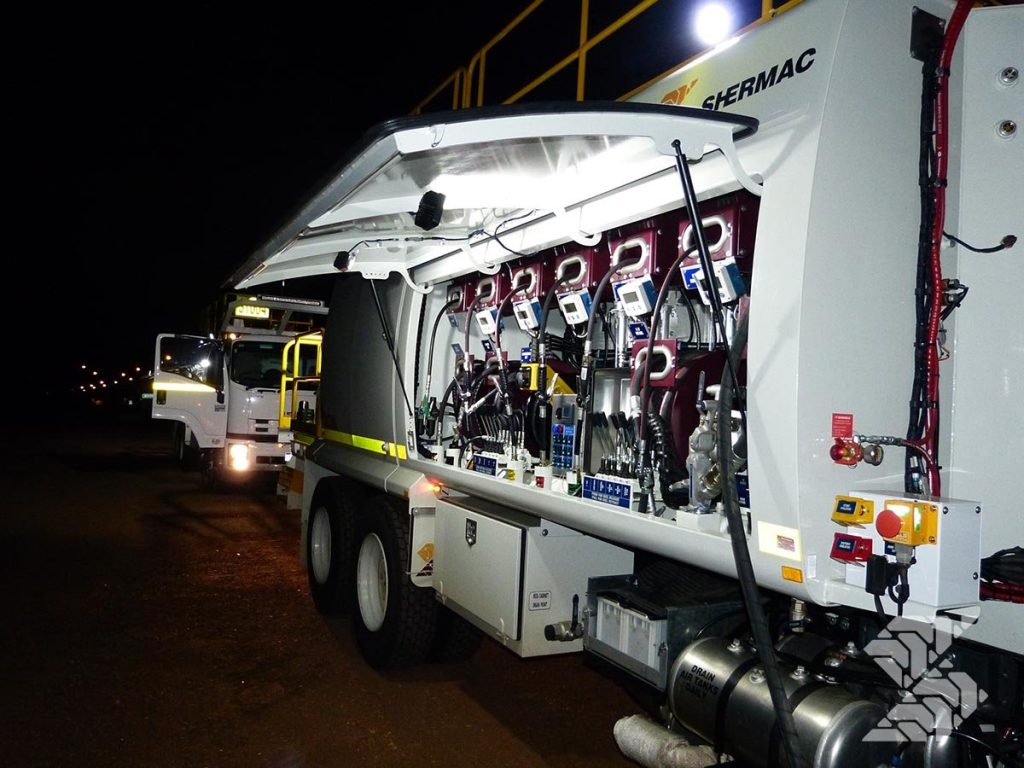
Every time diesel, oil, coolant, or hydraulic fluid is transferred into a machine, there’s a risk of contamination entering the system. Service vehicle filtration systems are designed to remove harmful particles before they reach critical components across the fleet.
A properly engineered filtration setup helps:
Not all service trucks are built with the same approach to filtration. In some cases, filters are removed to increase fuel delivery speeds, creating unnecessary risk for high-value equipment. Poor-quality or clogged filtration systems can also restrict flow rates, slow servicing operations, and impact overall fleet productivity.
A well-designed filtration system should balance servicing efficiency with long-term equipment protection.
Contaminated fuel and fluids can create serious operational and financial consequences across a mining or civil fleet. Even small particles of dust, grit, or metal can damage injectors, pumps, seals, and hydraulic components, accelerating wear and increasing the likelihood of premature failures.
Shermac has seen service vehicles operating with heavily clogged filters that hadn’t been maintained to the recommended service schedule. Left unresolved, restricted filters can slow fuel delivery and allow contaminants to pass through the system, increasing the risk of equipment damage and unplanned downtime.
In high-production environments, the costs escalate quickly. According to AZO Materials, large mining equipment can cost up to $15,000 per hour to operate, while major engine rebuilds can reportedly exceed $400,000. When servicing quality is compromised, the flow-on effects can include production delays, maintenance disruptions, equipment downtime, and significant repair costs across the fleet.
Modern mining and civil equipment manufacturers place strict requirements on fluid cleanliness to protect engine and hydraulic system performance. Standards such as ISO 4406 are used to measure contamination levels in oils and fluids, helping operators maintain consistent servicing quality and equipment reliability.
Many OEMs, including Caterpillar, also provide contamination control guidelines that operators must follow to maintain warranty compliance and protect critical components from premature wear.
This is why Tier 1 mining operators prioritise high-quality filtration systems across their fleets. Effective filtration helps protect high-value assets, maintain cleaner servicing practices, reduce contamination-related failures, and support longer service intervals between maintenance events.
When equipment uptime directly impacts production targets, filtration becomes an important part of both operational reliability and long-term asset protection.
Not all filtration systems deliver the same level of protection, servicing efficiency, or long-term reliability. Generic or retrofitted setups are often designed around basic fluid transfer requirements rather than the realities of high-production mining and civil operations.
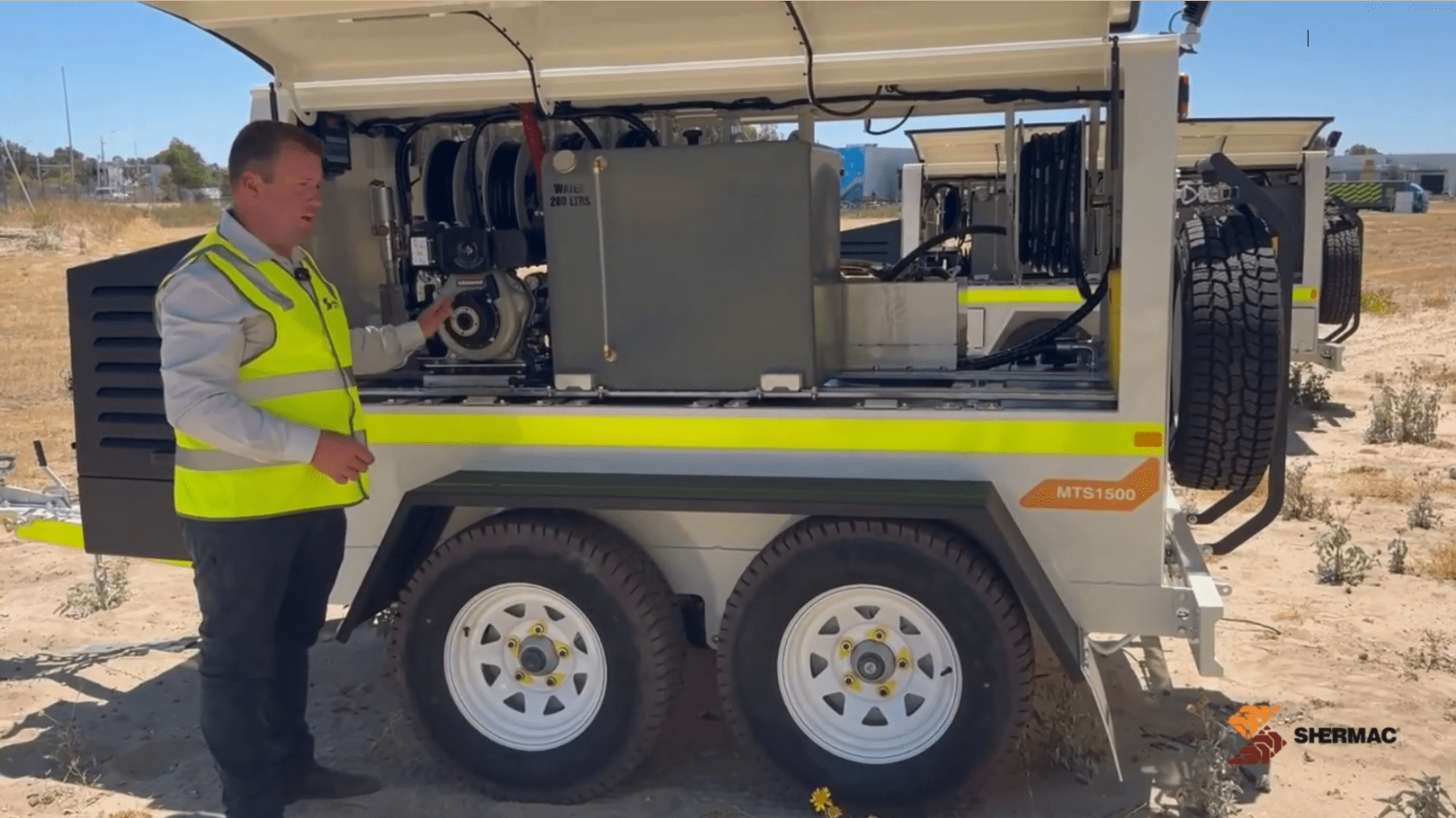
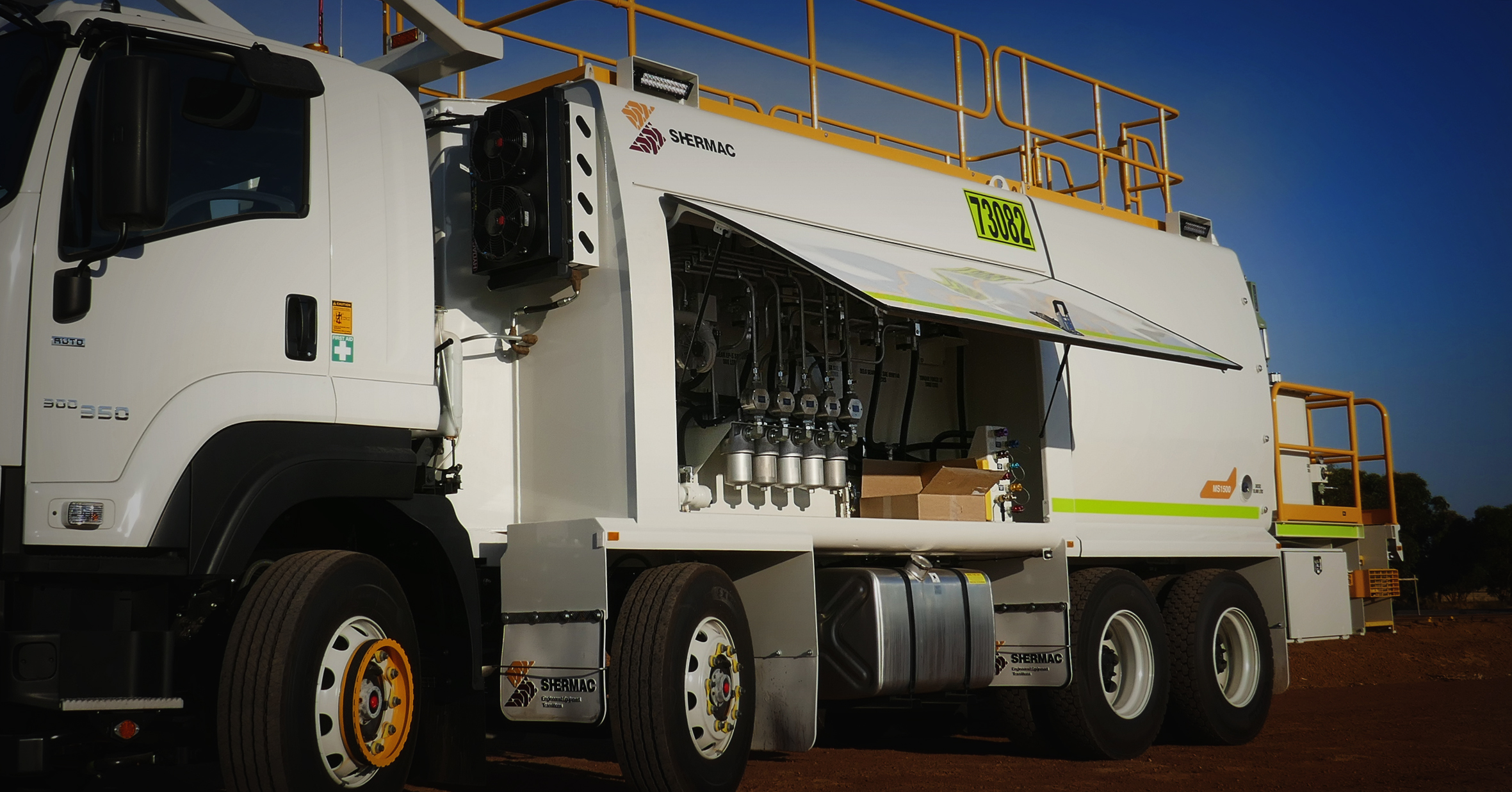
An engineered filtration system is designed to support both contamination control and operator usability. That includes compatible high-flow systems, logical hose and filter placement, safe access for servicing, and layouts that simplify routine maintenance.
Shermac also integrates clogging alert systems that notify operators when filters require cleaning or replacement. This helps avoid unnecessary servicing while reducing the risk of restricted flow rates or contaminated fluid transfer.
With complete filter replacement costs on some service trucks reaching between $5,000 and $6,000, smarter filtration management can help reduce unnecessary maintenance costs while protecting high-value fleet assets over the long term.
Effective filtration plays a critical role in protecting the productivity and long-term value of your fleet.
Cleaner fluid transfer reduces contamination-related wear, improves servicing quality, minimises rework, and helps avoid costly downtime across mining and civil operations. Over time, that can lead to lower repair costs, longer equipment life, and more efficient day-to-day fleet performance.
The right service vehicle setup is an investment in operational reliability. A conversation with the right engineering team early in the process can make a significant difference to long-term outcomes.
If you’re planning a new service truck purchase, talk to the Shermac team about your filtration requirements and operational goals. We’ll help you build a solution engineered for the way your fleet works.
Talk to our well-trained and knowledgeable team to find out more about our customisation process and how we can help you.
Call our team on 1300 799 943 or email sales@shermac.com.au with your inquiry.