Service trucks spend their days maintaining other equipment, but they’re often overlooked in maintenance planning themselves. In remote WA operations, that’s a risk few fleets can afford to take. Long distances, extreme heat, dust, vibration, and limited access to parts or workshop support can quickly turn a minor issue into a costly breakdown.
Luckily, a few practical maintenance planning measures can significantly reduce downtime, improve reliability, and keep your service vehicles ready when they’re needed most.
Maintenance planning for service vehicles becomes far more critical when your operations are hundreds of kilometres from the nearest workshop, supplier, or support team. In metropolitan environments, a breakdown is often an inconvenience. On a remote mine or civil site, it can quickly become a major operational disruption.
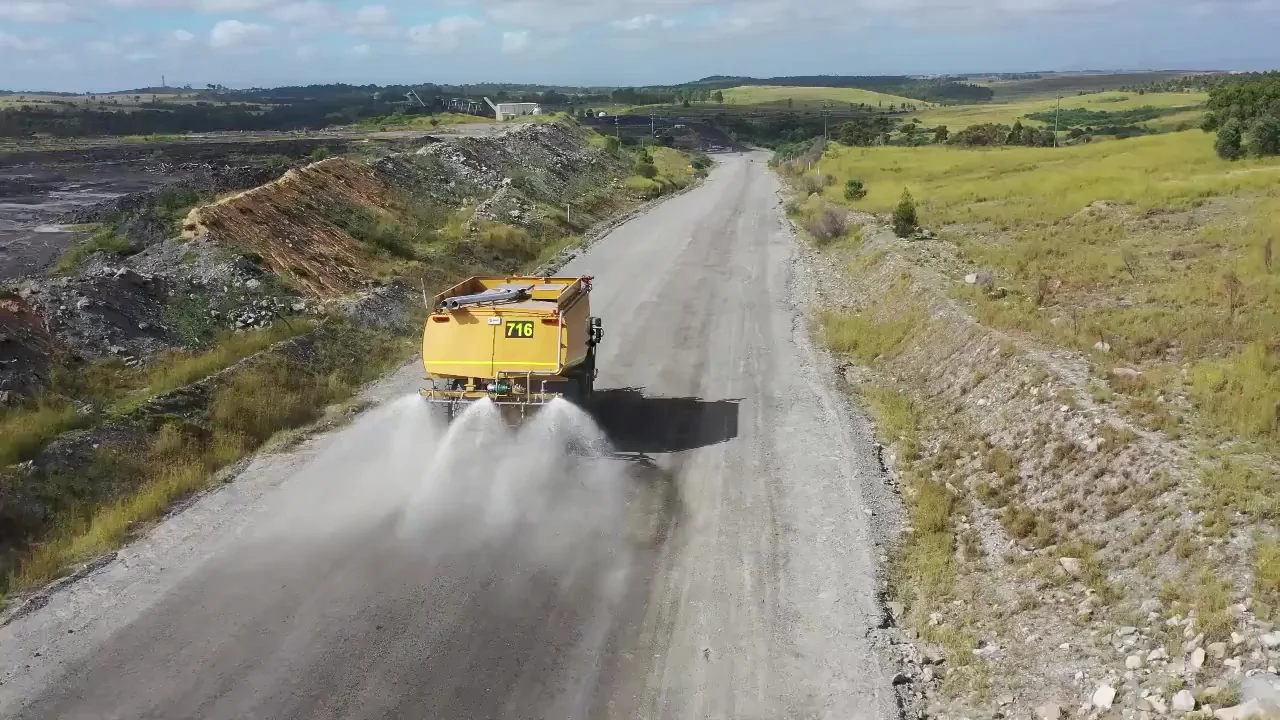
Remote operating conditions place constant pressure on vehicles and maintenance schedules. Extreme temperatures accelerate wear on components and fluids. Dust ingress can affect engines, filters, electrical systems, and pumps. Continuous vibration across rough terrain places additional stress on hoses, fittings, and mounting systems.
The challenge doesn’t stop there. Parts availability is often limited, workshop access may be restricted, and many remote operations don’t have spare service vehicles ready to step in when one goes offline. As a result, a single breakdown can delay maintenance activities across multiple assets and impact overall fleet productivity.
The repair bill is often the smallest cost associated with a remote service vehicle breakdown. The bigger impact comes from the disruption it creates across your operation.
A single breakdown can result in:
Because service vehicles support the maintenance of other assets, their failure can create a chain reaction that extends well beyond one piece of equipment.
We’ve explored the broader impact of machinery downtime in detail in our guide on Machinery Downtime: Causes, Costs and How to Reduce It.
A strong maintenance plan goes beyond scheduled servicing. It considers how the vehicle is used, where it operates, and what happens if something goes wrong. The following areas should form the foundation of any remote service vehicle maintenance strategy.
Service intervals should reflect real operating conditions (and not just kilometres travelled). A vehicle working long hours in high temperatures, heavy dust, and rough terrain will experience very different wear compared to one operating in metropolitan conditions.
When planning maintenance schedules, consider factors such as:
Reviewing these factors regularly can help identify servicing requirements before they develop into costly failures.
Many breakdowns can be prevented with a consistent pre-start inspection process. The key is standardisation. Every operator should be checking the same items, every day.
A typical inspection should include:
Small issues are often easiest and cheapest to fix before a vehicle leaves site.
In remote operations, a simple component failure can sideline a vehicle if replacement parts aren’t immediately available.
Maintaining a stock of commonly required consumables and spare parts can significantly reduce downtime, including:
The goal is to prevent minor maintenance issues becoming major operational delays.
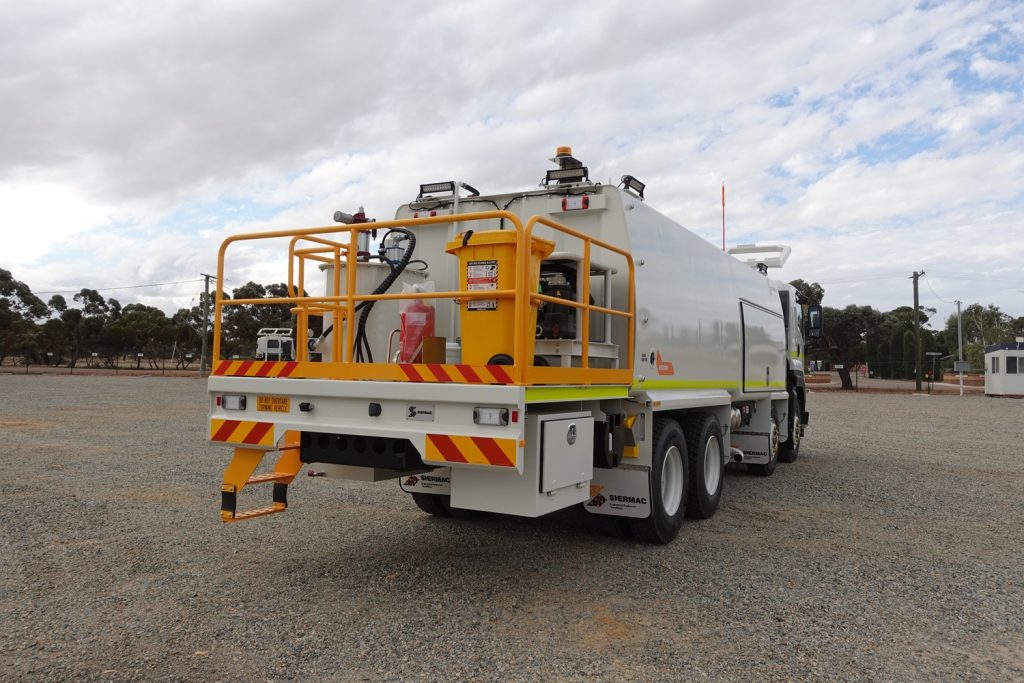
Service trucks are support assets. If their dispensing systems aren’t functioning correctly, they can’t effectively service the equipment that relies on them.
Regularly inspect and maintain:
A proactive approach helps ensure your service vehicle remains ready to support fleet maintenance whenever and wherever it’s required.
For a deeper look at maintenance strategies, read our guide on Preventive vs Predictive Maintenance: Which Will Save You More?
Even with a strong maintenance plan, remote fleets still need a clear breakdown response process. The question should not be, “What do we do if it fails?” It should be, “What is the process when it fails?”
Start with communication. Operators should know which radio channel, satellite phone, or contact pathway to use when reporting a fault. Check-in procedures should be documented, especially for long remote runs where coverage is limited. Escalation contacts should also be clear, so decisions can be made quickly.
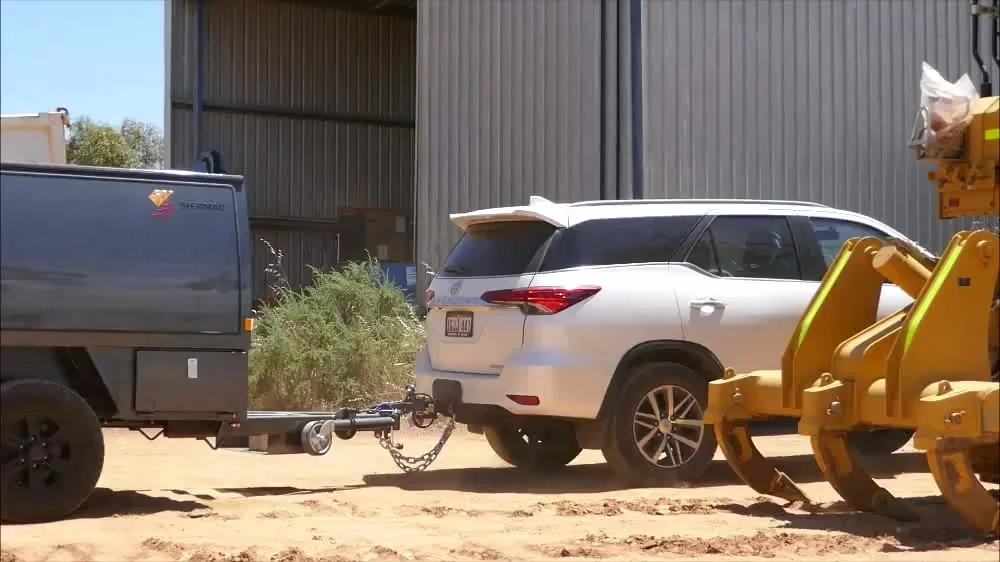
Recovery planning is just as important. Fleet managers should know who responds, what recovery equipment is available, where critical spares are stored, and what realistic response times look like for each site or route.
A practical checklist for fleet managers:
Good contingency planning reduces confusion, shortens response times, and helps prevent one failed service vehicle from disrupting the wider fleet.
Remote operations leave little room for maintenance shortcuts. Small issues that are easy to fix in a workshop can quickly become costly disruptions when a service vehicle is operating hundreds of kilometres from support.
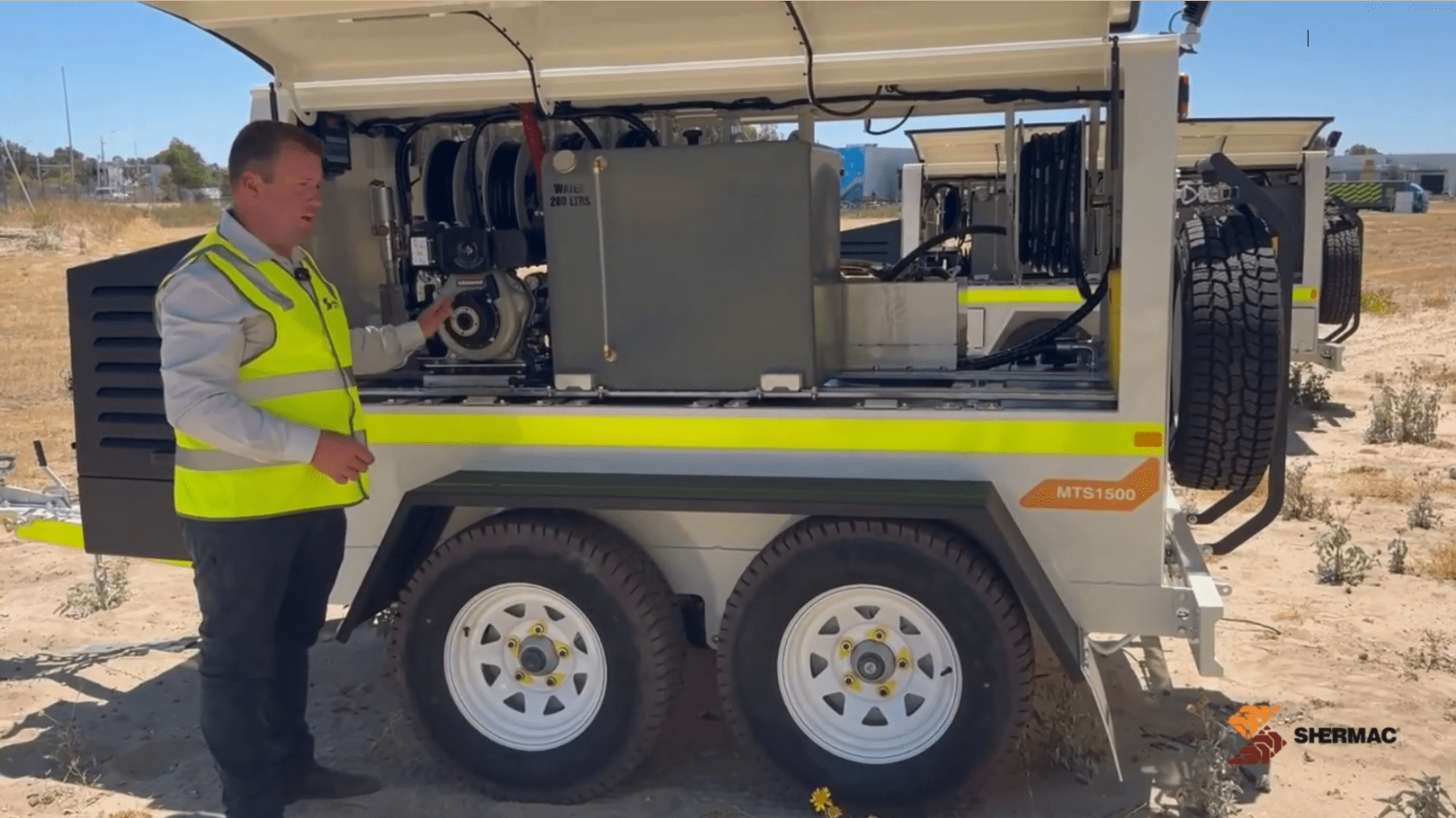
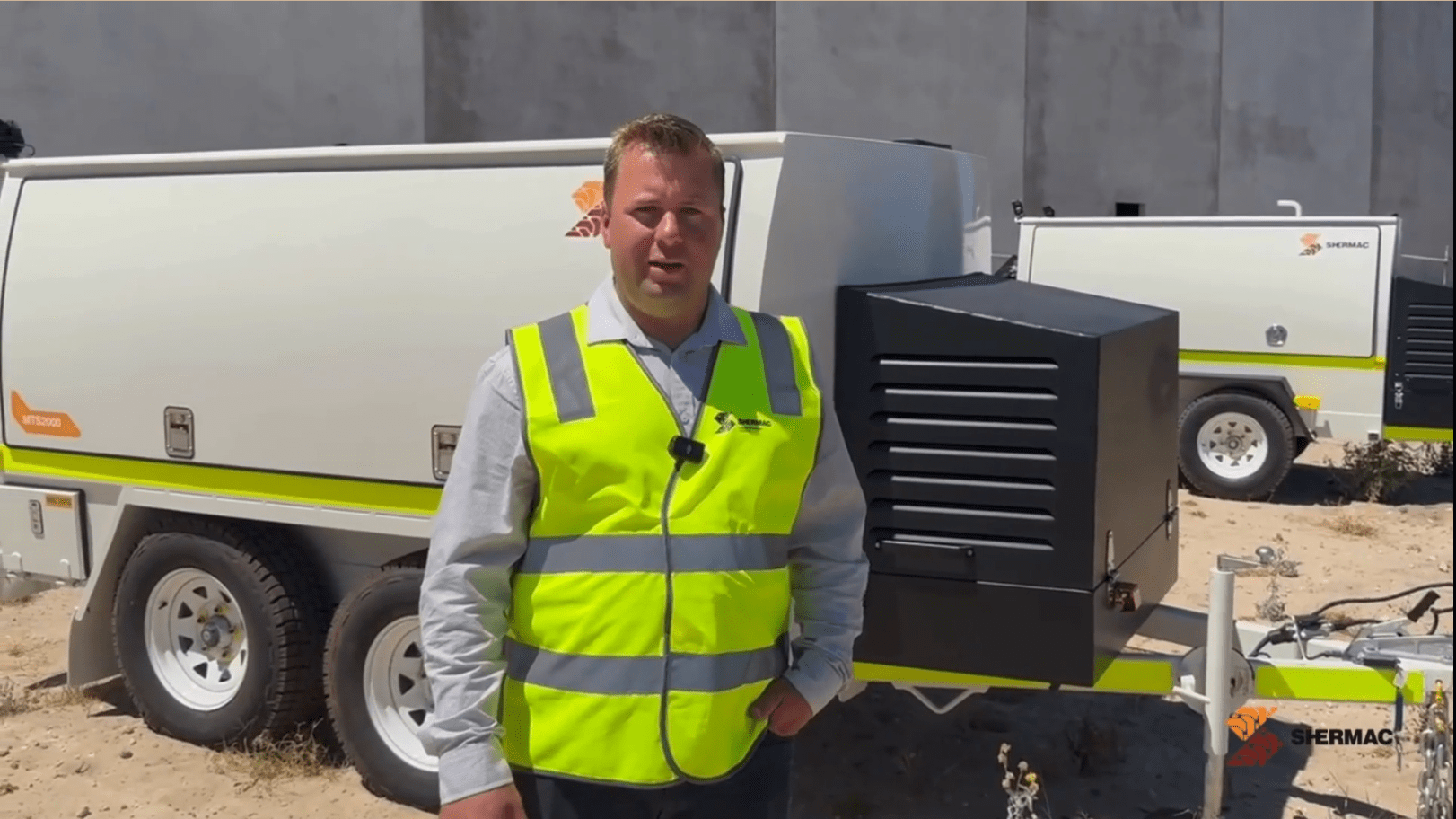
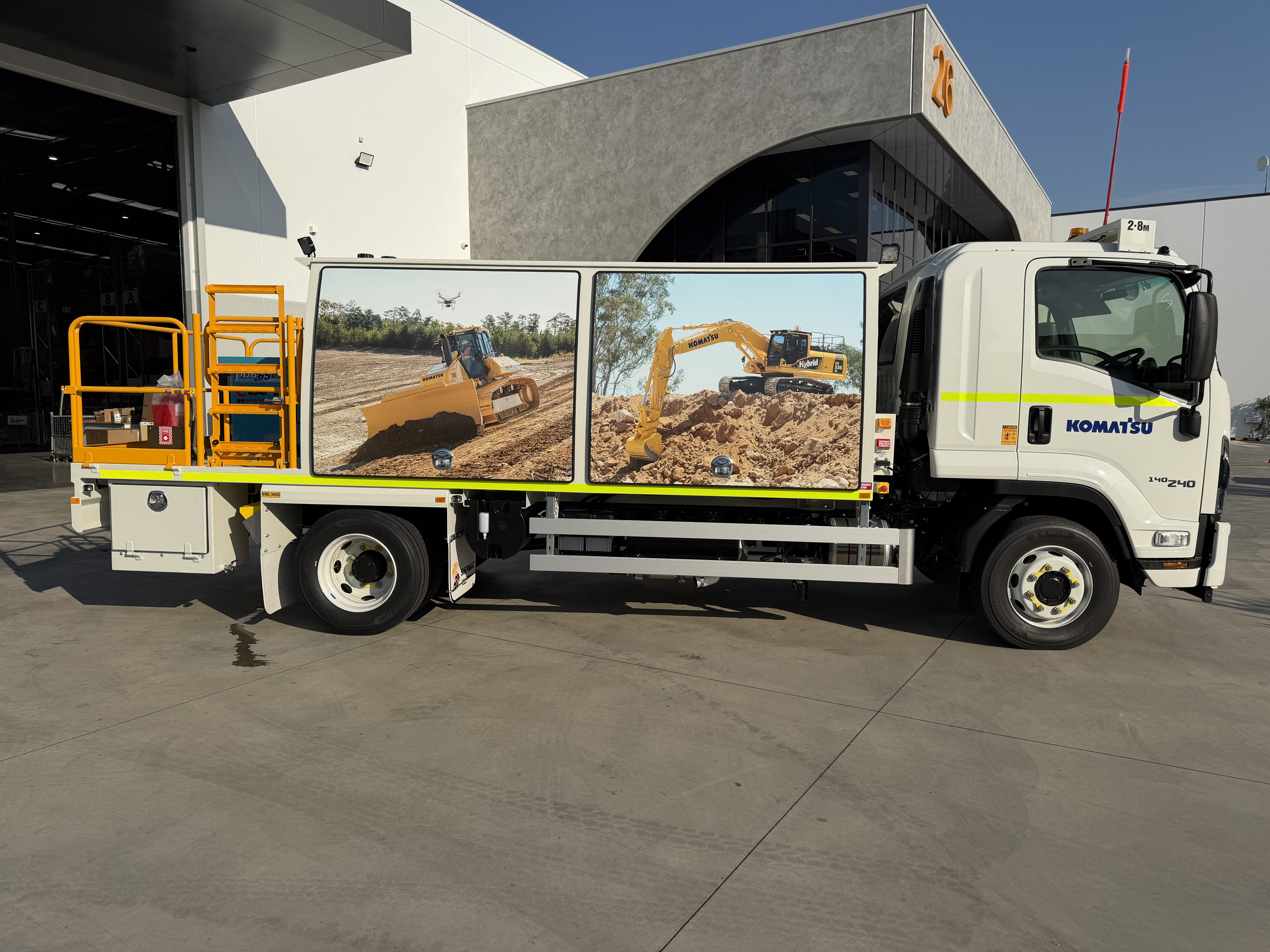
If you’re reviewing your fleet, Shermac’s mine-spec service trucks are built for the realities of remote Australian worksites, with durable systems, ergonomic layouts, and configurations tailored to your operational requirements.
Explore our range of service trucks or speak with the Shermac team about a solution designed to keep your fleet moving.
Talk to our well-trained and knowledgeable team to find out more about our customisation process and how we can help you.
Call our team on 1300 799 943 or email [email protected] with your inquiry.