When purchasing a service vehicle, it’s easy to compare specifications and upfront costs. The bigger challenge is understanding how that vehicle will perform in day-to-day operations over the next five, ten, or even fifteen years.
The difference between a standard build and a purpose-built service vehicle often extends well beyond the initial purchase price, influencing productivity, efficiency, and long-term operational outcomes.
When comparing service vehicles, it’s natural to focus on upfront purchase price. However, the lowest-cost option isn’t always the lowest-cost vehicle to own and operate.
A service vehicle plays a critical role in keeping equipment productive and maintenance activities moving. When evaluating long-term value, consider factors such as:
For mining and civil operations, where downtime carries significant operational costs, evaluating a service vehicle on purchase price alone can overlook the broader impact it will have on productivity and fleet performance throughout its working life.
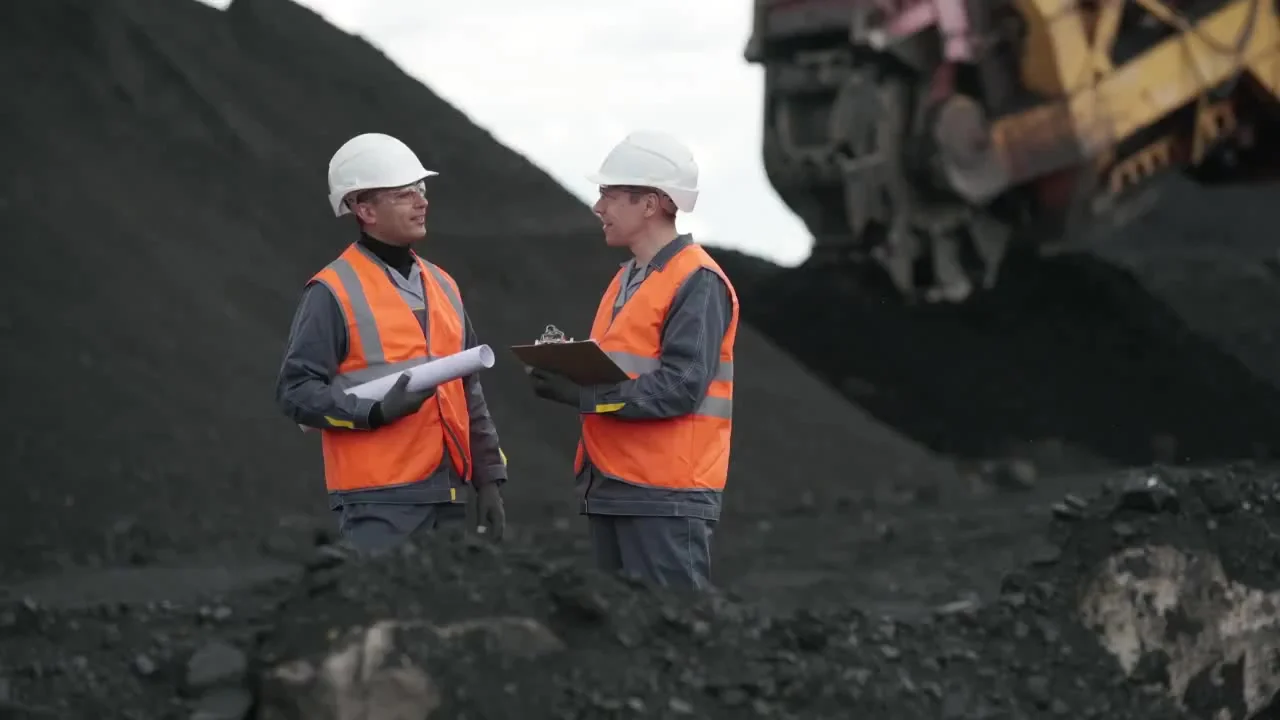
Even short periods of downtime can have a significant impact on productivity. When service vehicles are unable to refuel, lubricate, or support equipment efficiently, critical assets spend more time idle and less time generating value.
For large mining machines, downtime can cost as much as $80,000 per hour. Even smaller primary assets can incur losses of up to $40,000 per hour. While these costs are often associated with equipment failures, servicing delays can create similar productivity losses across an operation.
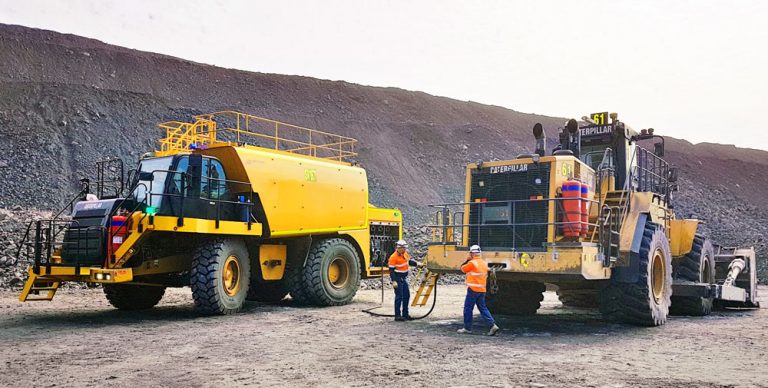
Fuel delivery rate is one of the most important performance characteristics of a service vehicle. While tank capacity determines how much fuel can be carried, delivery rate determines how quickly equipment can be returned to operation.
| Service Vehicle Type | Fuel Delivery Rate | Refuelling Time* |
| Standard Service Vehicle | ~380L/min | 30-45 minutes |
| Customised Shermac Service Vehicle | 800-1,000L/min | 15-20 minutes |
By significantly increasing fuel transfer rates, customised service vehicles can reduce servicing times and improve fleet productivity. In some applications, reducing downtime by just a few minutes per service event can equate to savings of up to $30,000 per shift. Across a year, the productivity gains on a single machine can approach $10 million.
This is why service vehicles should be viewed as productivity assets rather than simply support equipment. The faster and more efficiently they can service machinery, the sooner those assets can return to work.
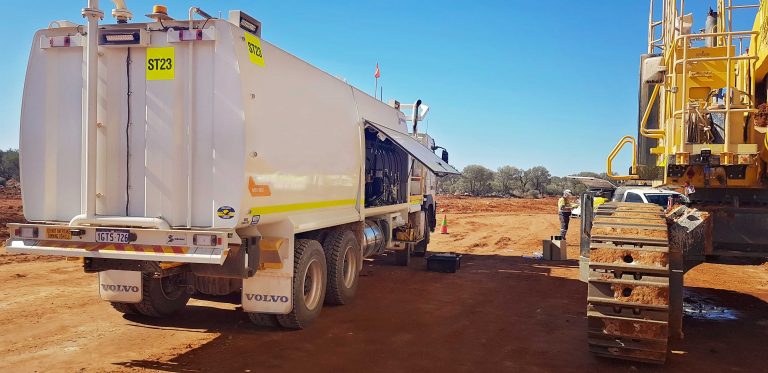
The amount of fuel, oils, and lubricants a service vehicle can carry has a direct impact on operational efficiency. The more product a vehicle can transport in a single trip, the fewer journeys are required across site to keep equipment serviced and productive.
Purpose-built service vehicles are designed to maximise the available carrying capacity of the chassis. By carefully considering tank placement, fluid storage, and load distribution during the design process, it’s possible to increase usable tank capacity while maintaining safe and compliant vehicle operation.
The operational benefits include:
Over the life of the vehicle, these efficiency gains can contribute to meaningful reductions in servicing delays and operational downtime.
Weight distribution is a critical consideration when designing any service vehicle. While a standard body may fit a particular chassis, it doesn’t always maximise the vehicle’s carrying capacity or account for axle loading limitations.
Vehicle manufacturers specify technical weight limits, while road regulations impose additional legal restrictions. A purpose-built service vehicle is engineered to work within both requirements, helping maximise fluid capacity without compromising safety, compliance, or vehicle performance.
By taking a consultative approach to design, customised service vehicles can achieve a more efficient balance between carrying capacity, operational requirements, and legal obligations.
While fuel delivery often receives the most attention, grease transfer can also create inefficiencies during routine servicing. In colder conditions, grease becomes more viscous, making it slower and more difficult to transfer from the service vehicle to the machine being serviced.
To address this challenge, Shermac developed a practical engineering solution. The grease compartment is positioned adjacent to the PTO oil system that powers the vehicle’s pumps. As the PTO operates, it generates heat that helps warm the surrounding grease compartment.
By reducing grease viscosity, the system improves transfer efficiency and reduces the time required to complete servicing tasks. It’s a simple but effective design consideration that helps operators spend less time waiting for product transfer and more time keeping equipment productive.
This type of engineering detail highlights the difference between a standard service vehicle and one designed specifically around real-world maintenance workflows.
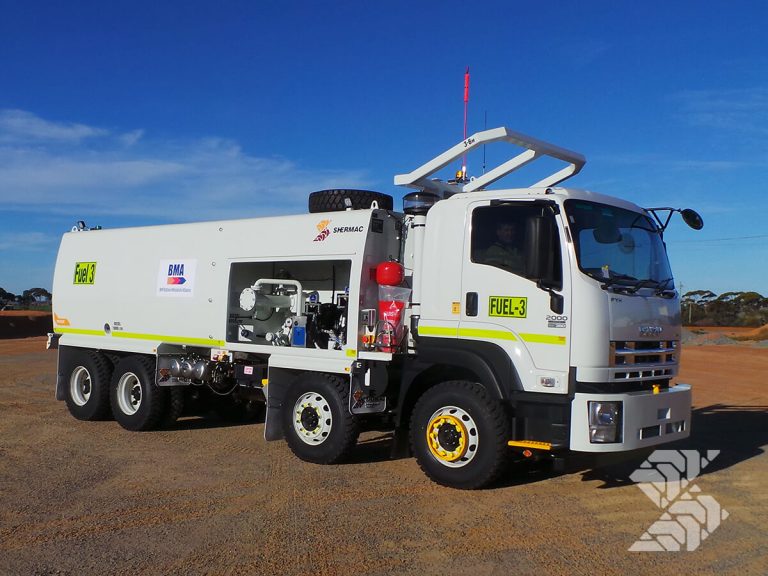
A service vehicle’s value isn’t measured solely by how much product it carries. It also depends on how efficiently operators can use, maintain, and service the vehicle throughout its life.
Purpose-built service vehicles are designed around real maintenance workflows, helping improve productivity, safety, and ease of use on site.
Key design considerations include:
Maintenance accessibility is particularly important. Traditionally, components requiring regular servicing were often difficult to reach, increasing maintenance time and safety risks.
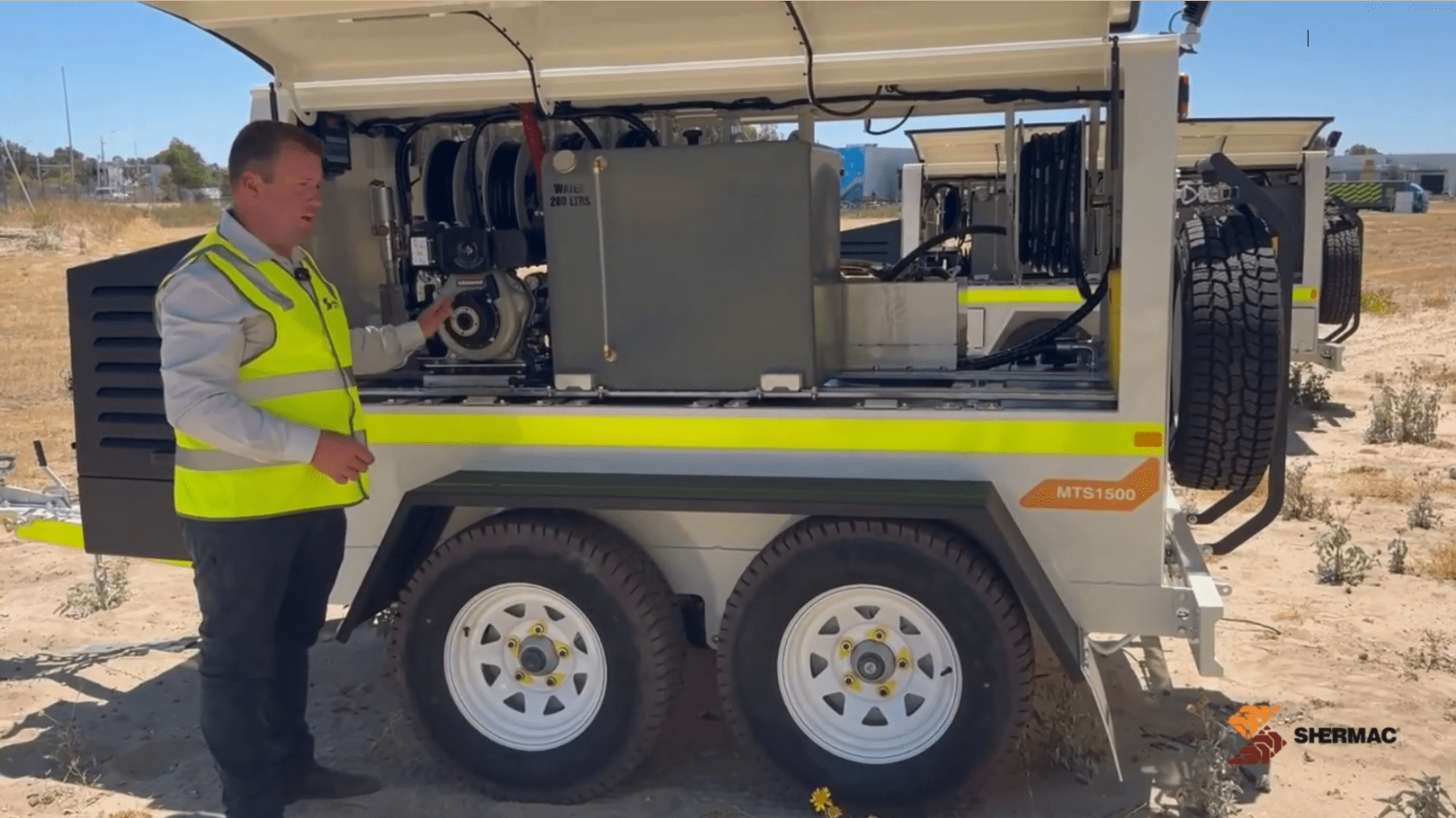
By contrast, Shermac vehicles are designed with pumps positioned on one side of the vehicle and hose reels on the other. This allows technicians to safely access key service points without unnecessary obstacles, helping reduce maintenance time while supporting site safety requirements.
The true value of a service vehicle is measured by the productivity, efficiency, and uptime it delivers throughout its working life.
If you’re evaluating service vehicles for your fleet, speak with the Shermac team. We can help you identify the right configuration for your operational requirements and develop a purpose-built solution designed to reduce downtime and improve servicing efficiency.
Explore our range of mine-spec service trucks or contact our team to discuss a custom-engineered solution.
Talk to our well-trained and knowledgeable team to find out more about our customisation process and how we can help you.
Call our team on 1300 799 943 or email sales@shermac.com.au with your inquiry.