Specifying a service vehicle properly upfront can save you a lot of headaches later on. When the vehicle matches the work it’s expected to do, you get better reliability, safer servicing, lower fuel costs, and less downtime across the life of the asset.
The challenge is that no two operations are the same. Site conditions, servicing demands, payload capacity, and compliance requirements all play a part. In this guide, we’ll walk through the key things to consider when choosing service vehicle specs for your operation.
Before looking at chassis options or tank sizes, it’s important to understand exactly what the vehicle needs to do on site. A service truck built for a small civil fleet will have very different requirements to one supporting large-scale mining equipment across remote operations.
Things like the type of equipment being serviced, the number of machines serviced per shift, and the range of service required all influence the final specification. Daily workflows also matter. If operators are constantly travelling long distances between assets, carrying additional fluids, tools, or spare parts may become essential for productivity and fuel efficiency.
The more clearly you define your specific operational requirements upfront, the easier it becomes to engineer a vehicle that supports safer servicing, better uptime, and long-term reliability.
The environment a service vehicle operates in has a major impact on reliability, fuel economy, and long-term performance. Terrain, climate, haul distances, and site access all need to be considered early in the specification process.
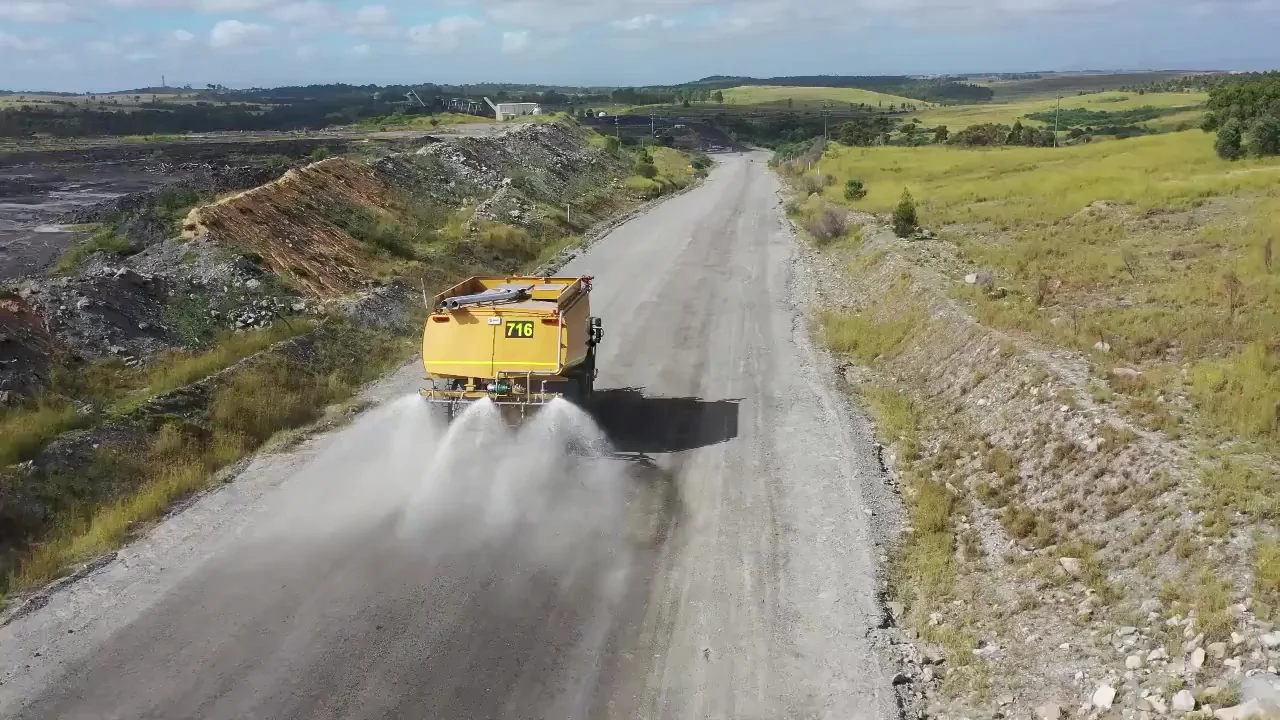
Remote operations often demand larger fluid capacities, greater payload capability, and chassis configurations designed for rough ground and extended travel. Harsh Australian conditions also place constant stress on vehicles, particularly in high-heat, dust-heavy, and corrosive environments where components are exposed to continuous vibration and wear.
Harsh operating conditions can increase fuel consumption, accelerate component wear, and place additional pressure on maintenance schedules. Specifying a vehicle that’s properly suited to the environment will help improve reliability, maintain fuel efficiency, and reduce long-term operating costs across the fleet.
Choosing the right chassis configuration comes down to balancing payload capacity, tank volume, site access, and manoeuvrability. A compact 4×4 service truck may suit smaller civil sites or tighter access areas, while larger 6×6, 8×8, or off-road service trucks are better suited to high-volume servicing across remote mining operations.
Payload calculations are critical at this stage. Fuel, oils, coolant, waste tanks, tooling, compressors, hose reels, and mine-spec safety equipment all add weight quickly. In some cases, one chassis configuration can carry significantly more usable payload than another, which may allow the vehicle to service more machines per shift before returning to refill.
This is where understanding the vehicle’s operating envelope becomes important. Every service truck is designed to operate within defined load, terrain, and performance limits. Specifying a vehicle outside those limits can impact reliability, safety, fuel efficiency, and long-term operating costs.
If you’d like to explore this topic further, read our article on the importance of chassis selection in service vehicles.
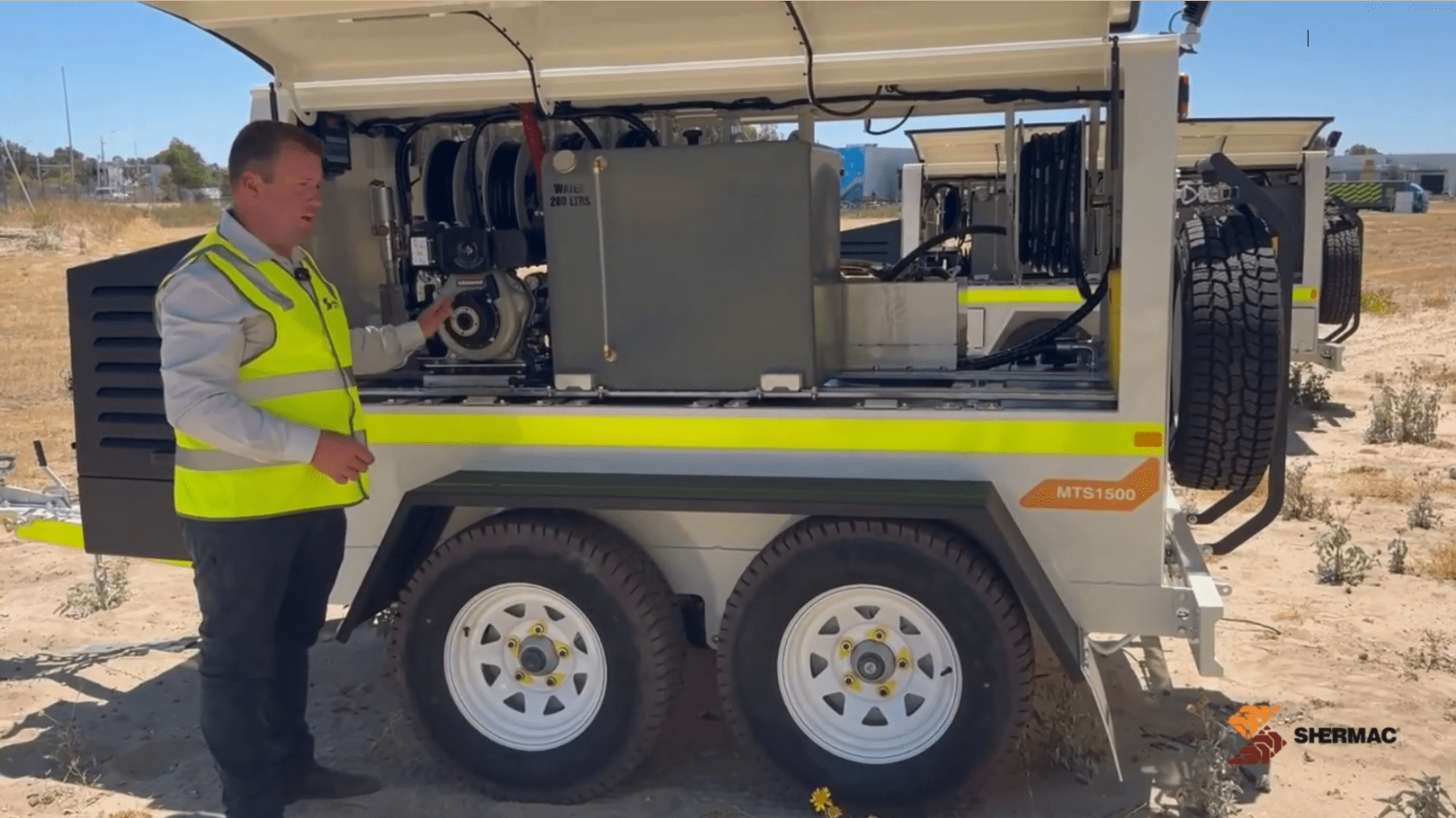
Tank configuration plays a big role in how efficiently a service vehicle operates day to day. Fuel, oils, coolant, grease, and waste storage all need to be sized around the servicing demands of the fleet, not just maximum carrying capacity.
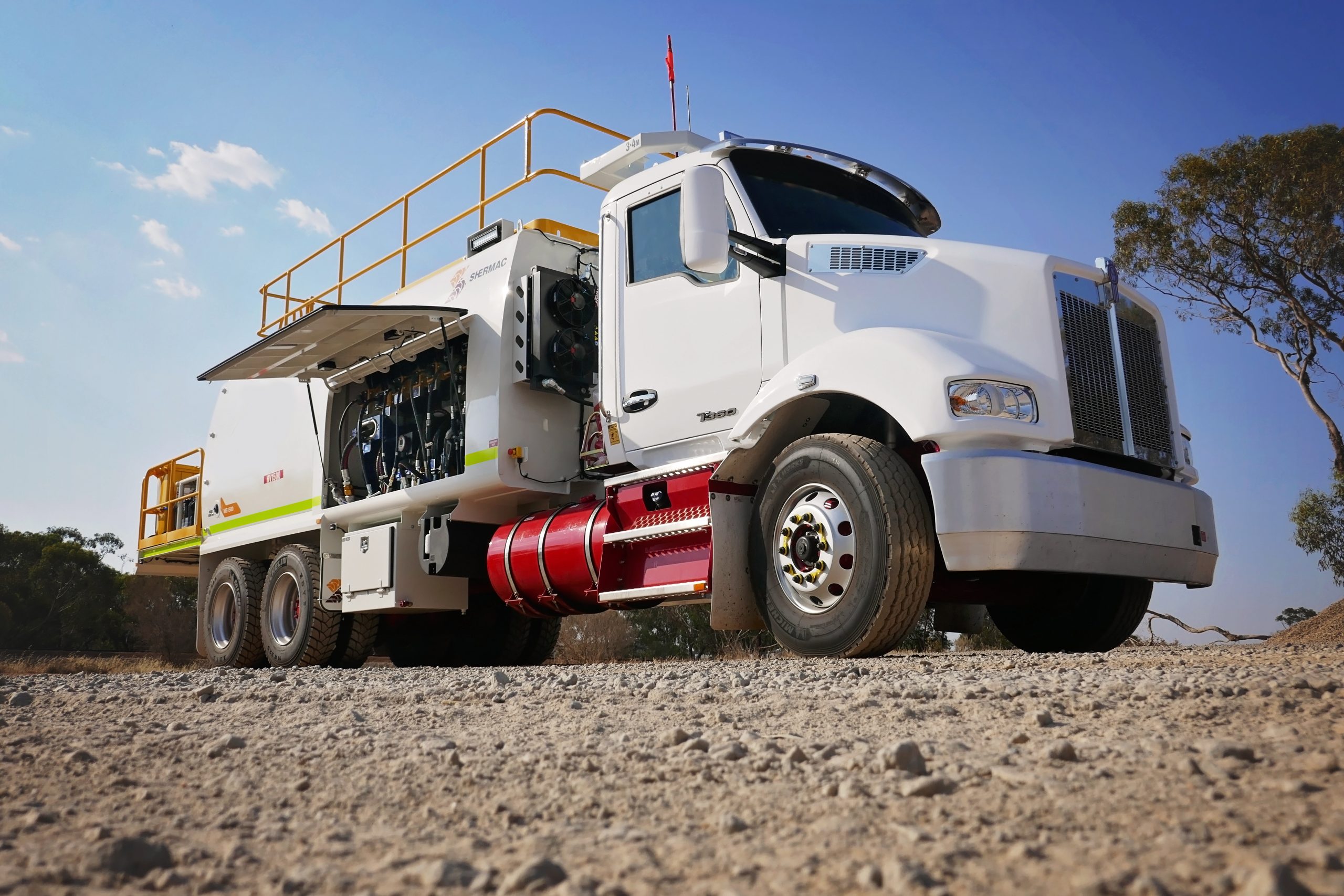
The layout of pumps, hose reels, filtration systems, and dispensing equipment also affects workflow efficiency on site. Poorly positioned systems can slow servicing down, increase operator fatigue, and create unnecessary downtime across the shift.
High-flow diesel systems and quality filtration setups can help reduce refuelling times, improve fuel management, and lower long-term fuel costs across fleets operated in remote areas. At the same time, well-designed service bodies with ergonomic layouts make servicing faster, safer, and more cost effective over the life of the vehicle.
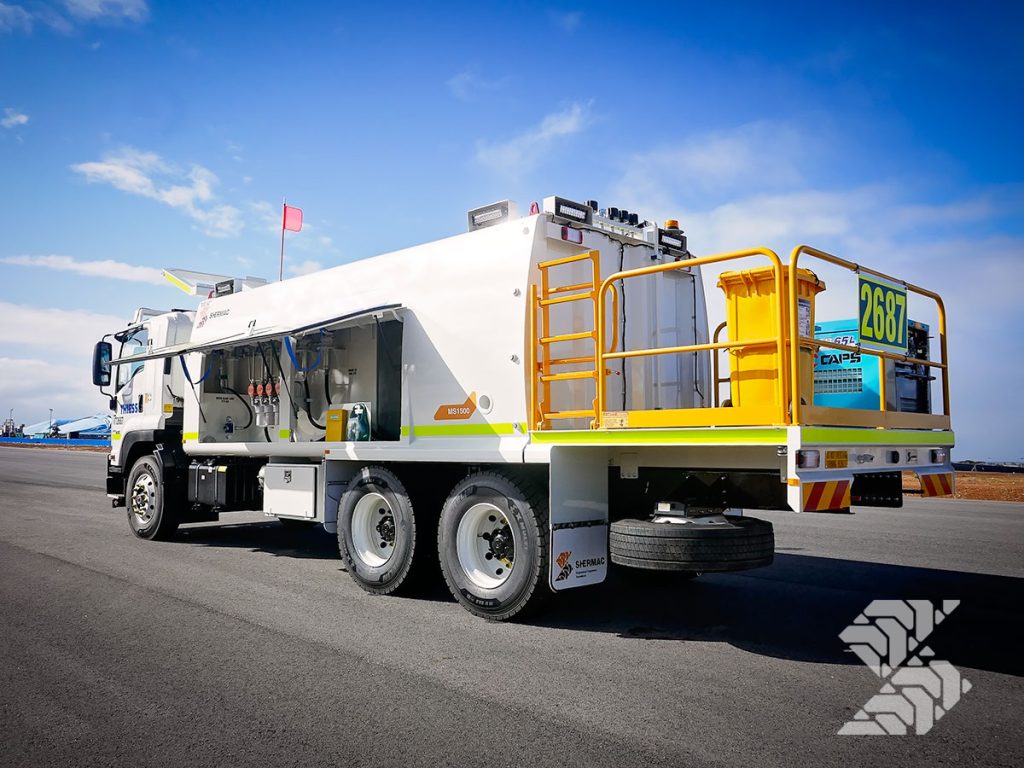
Mine-spec compliance should also be considered early in the specification process. Features such as ROPS, safety rails, compliant lighting, wheel chocks, spill kits, isolation systems, and high-visibility markings are standard across Shermac service trucks.
From there, vehicles can be further customised to suit individual site requirements and operational standards. That may include additional safety systems, access solutions, signage, guarding, or site-specific compliance equipment.
The right safety setup helps reduce operational risk, improve fleet management processes, and support safer servicing across demanding site environments.
A lower upfront purchase price doesn’t always mean lower long-term operating costs. In many cases, off-the-shelf service trucks end up costing more over time because they aren’t properly suited to the environment, servicing demands, or payload requirements of the operation.
Maintenance access, parts availability, fuel economy, and servicing efficiency all play a role in Total Cost of Ownership (TCO). Poor layouts, overloaded service bodies, or vehicles operating outside their intended operating envelope can lead to higher fuel costs, increased downtime, and more frequent repairs across the life of the asset.
Purpose-built, engineered-for-purpose vehicles are designed around the actual servicing task and operating conditions. The result is generally a more cost effective vehicle with better long-term reliability, safer workflows, easier maintenance access, and lower operational downtime across the fleet.
The supplier behind the vehicle is just as important as the vehicle itself. A well-engineered service truck should be backed by proper documentation, local support, and a team that understands the operational demands of the industries and fleets operated.
At Shermac, every vehicle is designed, fabricated, and assembled in Australia using ISO9001:2015-certified processes and premium components suited to harsh mining and civil environments. Our team works closely with you during the specification stage to ensure each build is matched to the site, servicing tasks, and compliance requirements from day one.
Ongoing aftercare also matters long after delivery. Warranty support, spare parts availability, field servicing, and technical support all play an important role in reducing downtime and supporting long-term fleet management performance.
Choosing the right service vehicle specs upfront can make a significant difference to safety, uptime, fuel efficiency, and long-term operating costs. When the vehicle is properly matched to the environment, servicing demands, and operational requirements, it becomes a more reliable and productive asset across the life of the fleet.
At Shermac, we work closely with customers to design engineered-for-purpose service trucks built for real Australian operating conditions. If you’re planning a new build or reviewing your current fleet setup, explore our range of mine-spec service trucks or speak with our team about the right specification for your operation.
Talk to our well-trained and knowledgeable team to find out more about our customisation process and how we can help you.
Call our team on 1300 799 943 or email sales@shermac.com.au with your inquiry.